


A Shift to Open Confrontation
The long-standing trade partnership between Canada and the United States has entered a volatile phase following the collapse of negotiations on August 21. The breakdown, which occurred just as a deal appeared within reach, has escalated into a direct economic standoff. The United States has implemented 50% tariffs on approximately $20 billion worth of Canadian goods, prompting Ottawa to pledge reciprocal duties on US imports effective September 8.
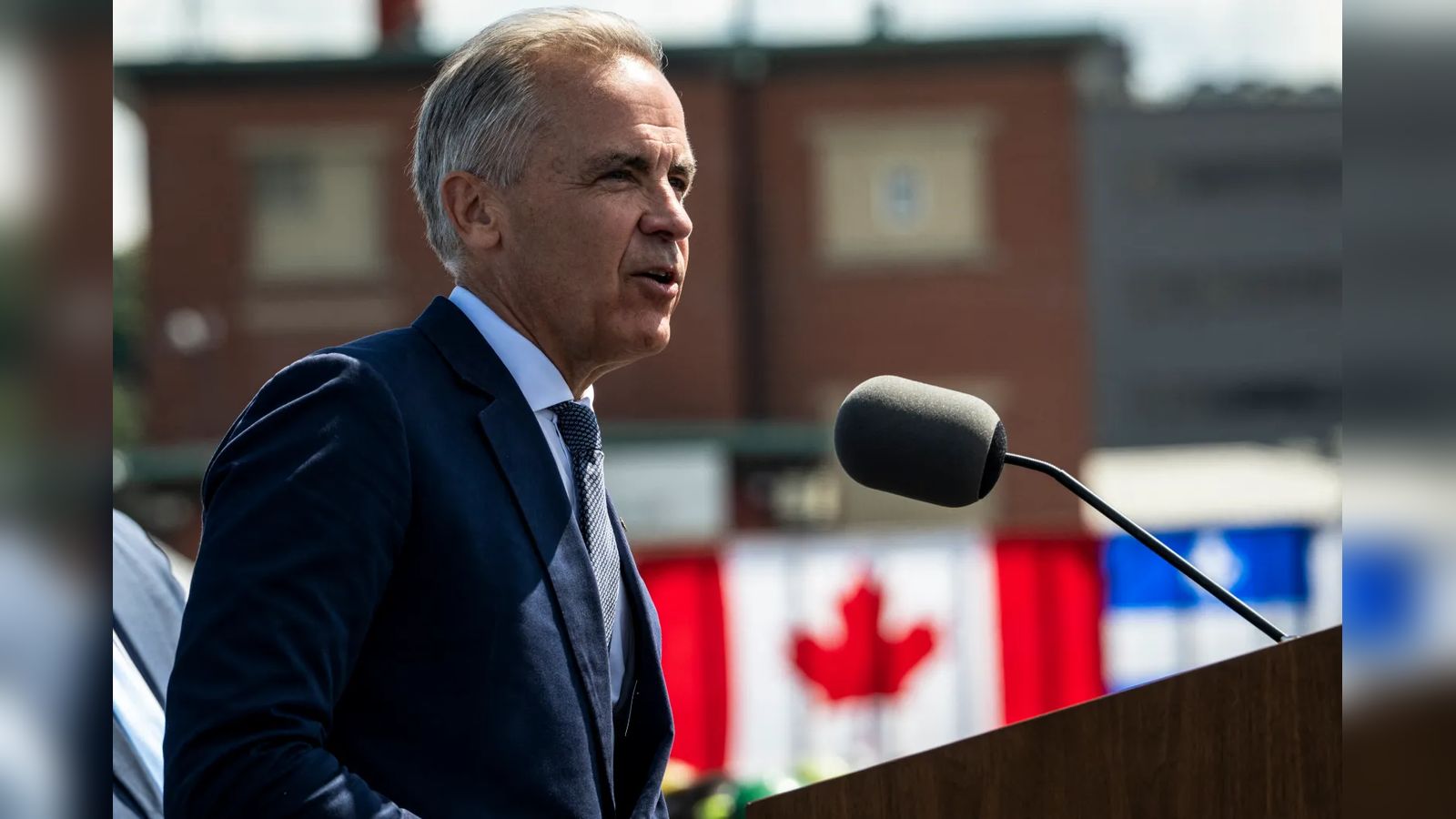
Canadian Prime Minister Mark Carney has adopted a hard-line stance, describing the negotiations as a defense of Canadian sovereignty. According to Canadian officials, the talks failed after Washington introduced last-minute demands, including requirements for Canada to align its trade policy toward China with US interests and to grant US negotiators influence over Canada’s future international trade agreements. Ottawa also rejected US attempts to alter regulations concerning Canadian cultural content, specifically French-language media.
This report draws on information published by dw.com and newsweek.com.
Economic Stakes and Strategic Risks
The economic impact of this rift remains a primary concern for analysts. While the $20 billion in affected goods represents roughly 5% of Canada’s total exports to the US, the Royal Bank of Canada has warned that a failure to reach a resolution could affect 0.4% of the nation’s GDP. Independent estimates from the University of Calgary suggest the potential loss of up to 90,000 jobs. Furthermore, Ottawa has placed its $12 billion order for 88 Lockheed Martin F-35 fighter jets on hold, signaling that the trade dispute is now impacting major procurement and defense cooperation.
US Treasury Secretary Scott Bessent has dismissed the notion of a “trade war,” characterizing the situation as a “political shouting match” driven by Prime Minister Carney’s domestic agenda. Speaking on the sidelines of the G20 meeting in Asheville, North Carolina, Bessent accused the Canadian government of prioritizing political optics over the economic welfare of its citizens.
The Political Calculus in Canada
Domestically, the confrontation serves as a significant test for Carney’s Liberal Party. As voters head to the polls for three federal by-elections, the riding of Chicoutimi Le Fjord has emerged as a critical barometer of public sentiment. Recent polling from Segma Recherche indicates a statistical tie between the Liberal and Bloc Québécois candidates, highlighting the narrow margins in a region that has historically been contested by the Conservatives. Despite the economic uncertainty, broader national sentiment appears to favor the government’s firm stance; an Angus Reid Institute survey found that 75% of Canadians support the government’s refusal to yield to US pressure, even as consumer behavior shows a marked decline in travel to the US and a growing tendency to avoid American-made products.
Global Implications
Canada’s approach is being closely observed by other middle powers. Unlike the European Union, the UK, and Japan—who have largely opted for negotiated alignment with US policy—Canada has chosen to mirror the confrontational strategy previously adopted by China. As Carney noted at the World Economic Forum in Davos earlier this year, middle powers risk being “on the menu” if they fail to collectively assert their interests. Whether this strategy serves as a blueprint for other nations or leads to long-term economic isolation for Canada remains the central question of this diplomatic crisis.