

Quick Read
- Gold prices surged by 1.8%-2%+ to $4,408-$4,420 an ounce after the US capture of Venezuelan President Nicolás Maduro.
- Silver also saw significant gains, rising close to 3.5% to $75.50 per ounce, as investors sought ‘safe-haven’ assets.
- Gold recorded its best annual performance since 1979 in 2025, rising over 60% and hitting an all-time high of $4,549.71 on December 26.
- Oil prices remained largely stable or slightly lower, as analysts believe Venezuela’s dilapidated oil infrastructure and low current output (1% of global) will prevent immediate supply impacts.
- Asia-Pacific share markets mostly rose, with defense stocks in Japan and South Korea experiencing significant surges (e.g., IHI +9%, HanwhaAerospace +7%).
The global financial landscape is once again shifting, this time spurred by a dramatic geopolitical event: the United States’ capture of Venezuelan President Nicolás Maduro. This seismic development has sent immediate shockwaves through international markets, triggering a swift and significant move into traditional safe-haven assets like gold and silver, while also creating a complex interplay of forces impacting oil prices and regional stock markets.
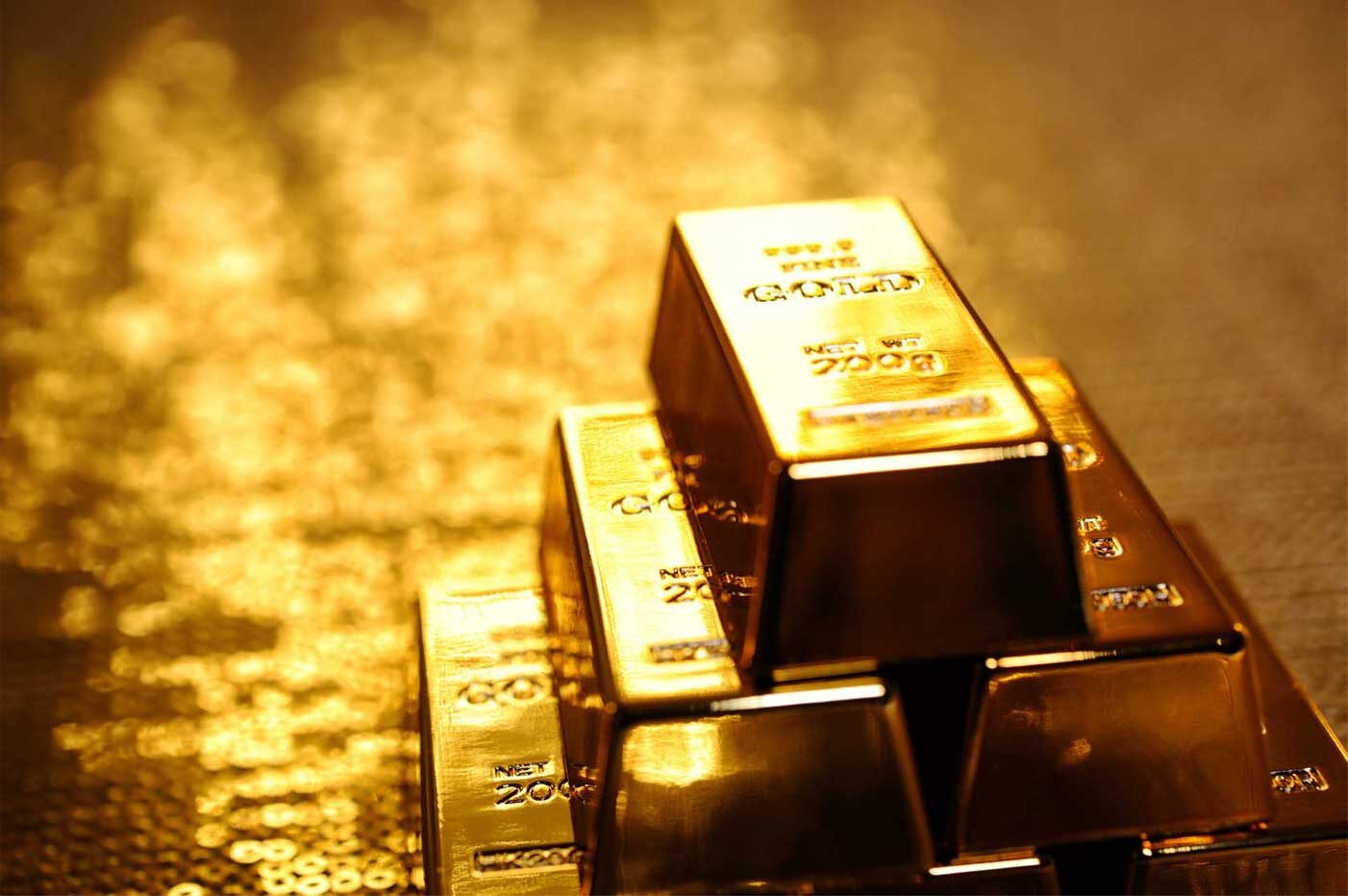
On Monday morning in Asia, the precious metals market witnessed a pronounced surge. Gold prices climbed by approximately 1.8%, settling around $4,408 an ounce, with some reports even noting a jump of over 2% to $4,420 per ounce, nearing the record highs observed just weeks prior. Silver followed suit with an even more impressive leap, rising close to 3.5% and reaching about $75.50 per ounce. This robust performance underscores investors’ immediate pivot towards stability amidst heightened geopolitical uncertainties, a classic reaction when political tremors rattle confidence.
Indeed, the appeal of gold as a store of value has been particularly strong over the past year. Despite a slight dip at the close of 2025, gold recorded its best annual performance since 1979, soaring by more than 60%. It even touched an all-time high of $4,549.71 on December 26. This remarkable ascent was not merely a response to isolated incidents but a culmination of several powerful economic currents. Expectations of further interest rate cuts globally, coupled with substantial bullion purchases by central banks, created a fertile ground for gold’s appreciation. Add to this the persistent investor concerns about mounting global tensions and economic uncertainty, and the yellow metal’s allure becomes clear.
Oil’s Paradox: Geopolitical Shock Meets Market Realities
While the capture of a leader in an oil-rich nation might typically send crude prices skyrocketing, the market reaction to the Venezuelan situation has been surprisingly muted, even registering a slight dip. Brent crude, the international benchmark, saw a modest decrease of 0.67% to $60.34 per barrel in early trade. This seemingly counterintuitive response highlights the nuanced realities of global energy supply and demand.
US President Donald Trump swiftly vowed to tap into Venezuela’s vast oil reserves, stating that the US would ‘run the country until such time as we can do a safe, proper and judicious transition.’ However, industry analysts are quick to temper expectations regarding an immediate impact on energy prices. As Vasu Menon, an investment strategist from OCBC bank, pointed out, Venezuela’s crude production has been ‘lacklustre’ for years, currently accounting for only about 1% of global oil output. The country’s oil infrastructure has been in sharp decline since the early 2000s, requiring billions of dollars and years of investment to rehabilitate.
Jim Reid, a market strategist at Deutsche Bank, echoed this sentiment, noting that while Venezuela possesses the world’s largest proven crude oil reserves (17% of the global total), its production in 2023 was down 70% from 2013 levels. The prospect of a long-term supply recovery, if successful, could eventually serve to lower oil prices, rather than raise them in the immediate aftermath of the intervention. This long-term view appears to be outweighing any short-term supply disruption concerns, leading to the current stability in oil markets.
Asia’s Mixed Signals: Defense Stocks Soar, Broader Markets Hold Steady
Away from the immediate commodity plays, equity markets in the Asia-Pacific region presented a more complex picture. While broad indexes largely made gains, certain sectors experienced significant surges directly linked to the geopolitical developments. Japan’s Nikkei 225, for instance, climbed by 2.6% on the first trading day of the year, bolstered by new data indicating stabilized manufacturing activity in December. Major indexes in South Korea and China also saw upward movement.
However, the most striking reaction was observed in defense stocks. In Tokyo, defense contractor IHI jumped 9%, and Mitsubishi Heavy Industries rose by 8.4%. South Korean defense giant HanwhaAerospace saw its shares increase by 7%. This sector-specific rally clearly reflects investor anticipation of increased defense spending and heightened regional security concerns following the US’s assertive move in Venezuela. As Ipek Ozkardeskaya, a senior analyst at Swissquote, noted, a ‘risk premia is creeping back into asset prices,’ even if broader markets appear ‘barely flinching.’
Yet, the overall resilience of Asia-Pacific stock markets also suggests that many investors perceive the fallout from events in Venezuela as geographically distant. Zavier Wong from investment firm eToro indicated that these jumps reflect confidence that the situation will remain contained. Furthermore, Shigeto Nagai from Oxford Economics suggested that strong share price gains in Japan and South Korea today also ‘mainly reflects the AI-led rally in the US on Friday,’ implying that not all market movements are solely attributable to the Venezuelan crisis.
The Strengthening Dollar and Resilient Yuan
In the currency markets, the US dollar, another traditional safe-haven asset, also gained traction. The US dollar index rose to 98.76 from 98.41 at the start of Monday’s trading, according to financial data provider Wind. This strengthening dollar often occurs during periods of global uncertainty as investors flock to the perceived safety and liquidity of US assets.
Interestingly, the Chinese yuan demonstrated relative resilience despite the stronger US currency. The offshore yuan traded at 6.978 per US dollar by midday, managing to stay above the psychologically critical mark of 7 per US dollar. Analysts predict the Chinese currency could even strengthen further, potentially reaching as high as 6.8 against the US dollar in 2026, suggesting that China’s economic fundamentals and policy stability might be insulating it from some of the wider market volatility.
The capture of Nicolás Maduro has undeniably injected a fresh wave of geopolitical risk into global markets, immediately amplifying the appeal of safe-haven assets like gold and silver. However, beneath the surface of this initial shock, the market’s response reveals a deeper interplay of factors. The surprisingly stable oil prices underscore the long-term challenges of Venezuela’s dilapidated infrastructure, while the mixed performance of Asian stocks highlights how regional economic dynamics and broader technological trends, such as AI-led rallies, can temper or redirect the impact of isolated political events. Investors are navigating a landscape where immediate political drama meets underlying economic realities, demanding a sophisticated understanding of interconnected global forces.