


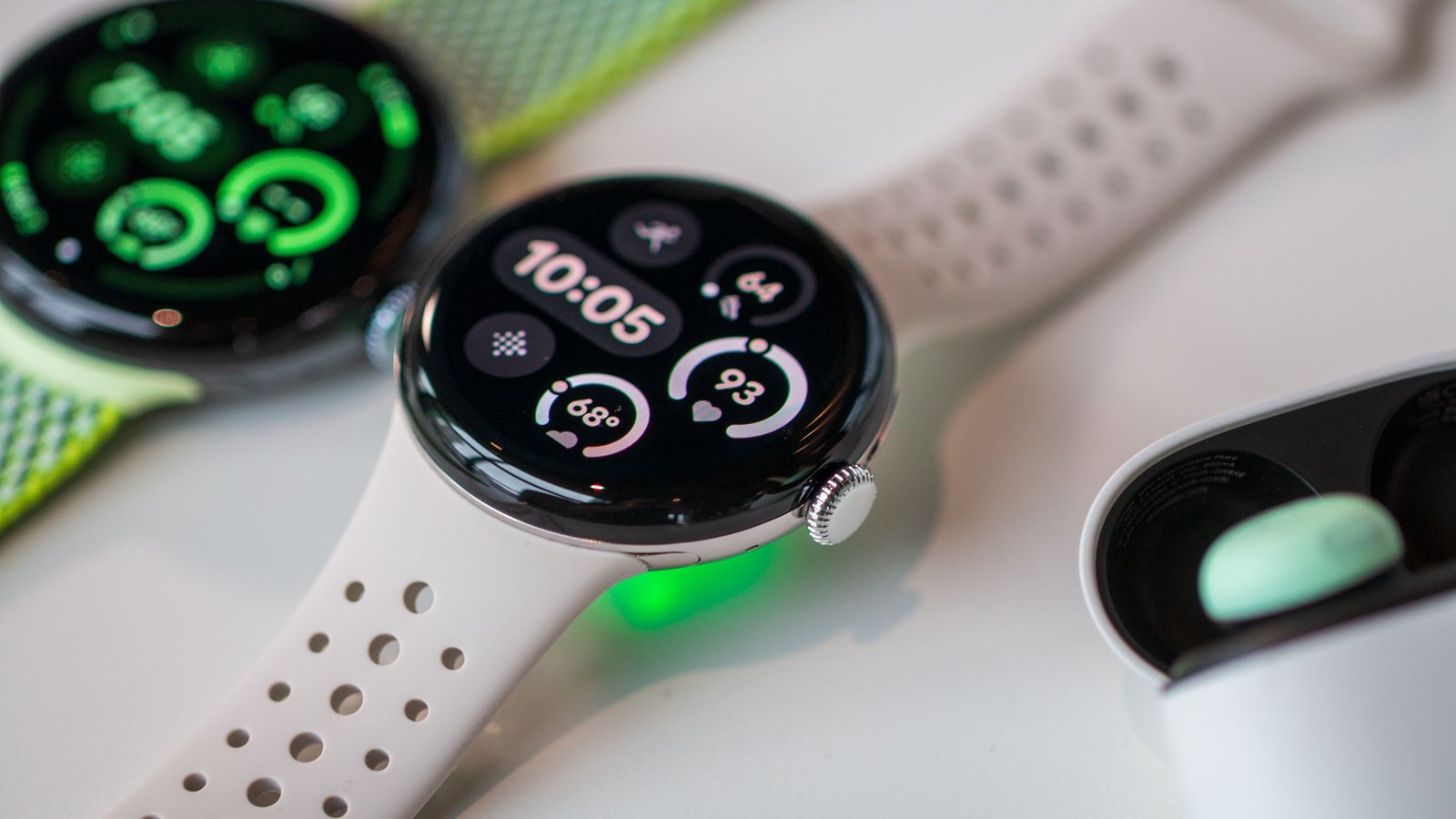
Google Confirms Multi-Generation Pixel Watch Battery Bug
On November 3, 2026, 9to5Google and Android Central reported that Google officially confirmed a widespread software issue causing severe, unexpected battery drain across multiple generations of the Pixel Watch. Affected device owners reported that their smartwatches experienced steep declines in everyday endurance, with runtime dropping from the normal 24 to 48 hours down to roughly 12 hours, even while the wearable sat completely idle.
The complaints first gained traction on community platforms such as Reddit, where users spanning devices from the Pixel Watch 2 up to current generations detailed sudden power drops. Disabling power-heavy features like the Always-on Display failed to resolve the excessive power consumption for most users. While some individuals noted temporary improvements after performing a full device reset, that invasive step did not prove to be a reliable or universal solution across different watch models.
Play Store App Updates Deliver the Remedy
Rather than pushing a full Wear OS system image, Google addressed the glitch through targeted application updates. Android Authority noted that the company began deploying the fix directly via the watch’s built-in app marketplace, ensuring a faster delivery mechanism for end users. Google stated that the rollout affects a subset of users and is scheduled to reach all impacted devices over the subsequent couple of days.
To manually install the remedy, users are instructed to press the physical crown on their Pixel Watch, open the Play Store application, navigate to the manage applications menu, and select the option to update all pending software. Google has not yet disclosed the exact root cause of the bug, nor has it identified which proprietary app or background service triggered the excessive energy demand.
Impacted Users and Next Steps
Although the battery drain did not afflict every single active Pixel Watch, the volume of complaints from multiple hardware iterations confirmed that the problem stemmed from software rather than physical battery degradation. For owners experiencing sudden runtime drops, checking for pending application updates inside the watch’s Play Store interface remains the primary recommended action while the automated rollout completes across global regions.
Analysis of the Software Fault and Staged Rollout
The emergence of this unexpected energy depletion underscores the delicate balance required in modern wearable operating systems, where background synchronization, health tracking modules, and proprietary application updates frequently interact. Because the malfunction struck hardware configurations ranging from the Pixel Watch 2 onward, software analysts quickly ruled out aging physical lithium-ion cells as the primary culprit. Instead, attention focused squarely on background services, system applications, or recent software alterations linked to Google’s health platforms.
By bypassing traditional system image distribution channels in favor of localized app marketplace deployments, Google sought to expedite the remediation phase. Industry observers noted that app-level patches bypass carrier and deep system verification hurdles, allowing developers to target misbehaving background routines directly. Nevertheless, the lack of an officially published version number or a specifically named culprit leaves users reliant on a blanket update procedure rather than targeted verification.
User Mitigation Strategies and Hardware Context
Prior to the official remedy deployment, owners experimented with numerous workarounds, ranging from basic reboots to disabling resource-intensive features such as continuous heart rate monitoring and the Always-on Display. While factory resets occasionally restored normal power draw, the practice was widely criticized as overly destructive given that the underlying flaw resided in cloud-synced or locally installed software packages rather than user profile corruption.
As the automated rollout progresses over the upcoming days, impacted owners are advised to utilize the manual update pathway via the watch interface rather than searching for traditional operating system patches within the main settings menu. This distinction highlights an evolving maintenance paradigm for wearable technology, where micro-services and companion apps dictate overall device efficiency just as much as foundational kernel releases.