


A Breakthrough Performance
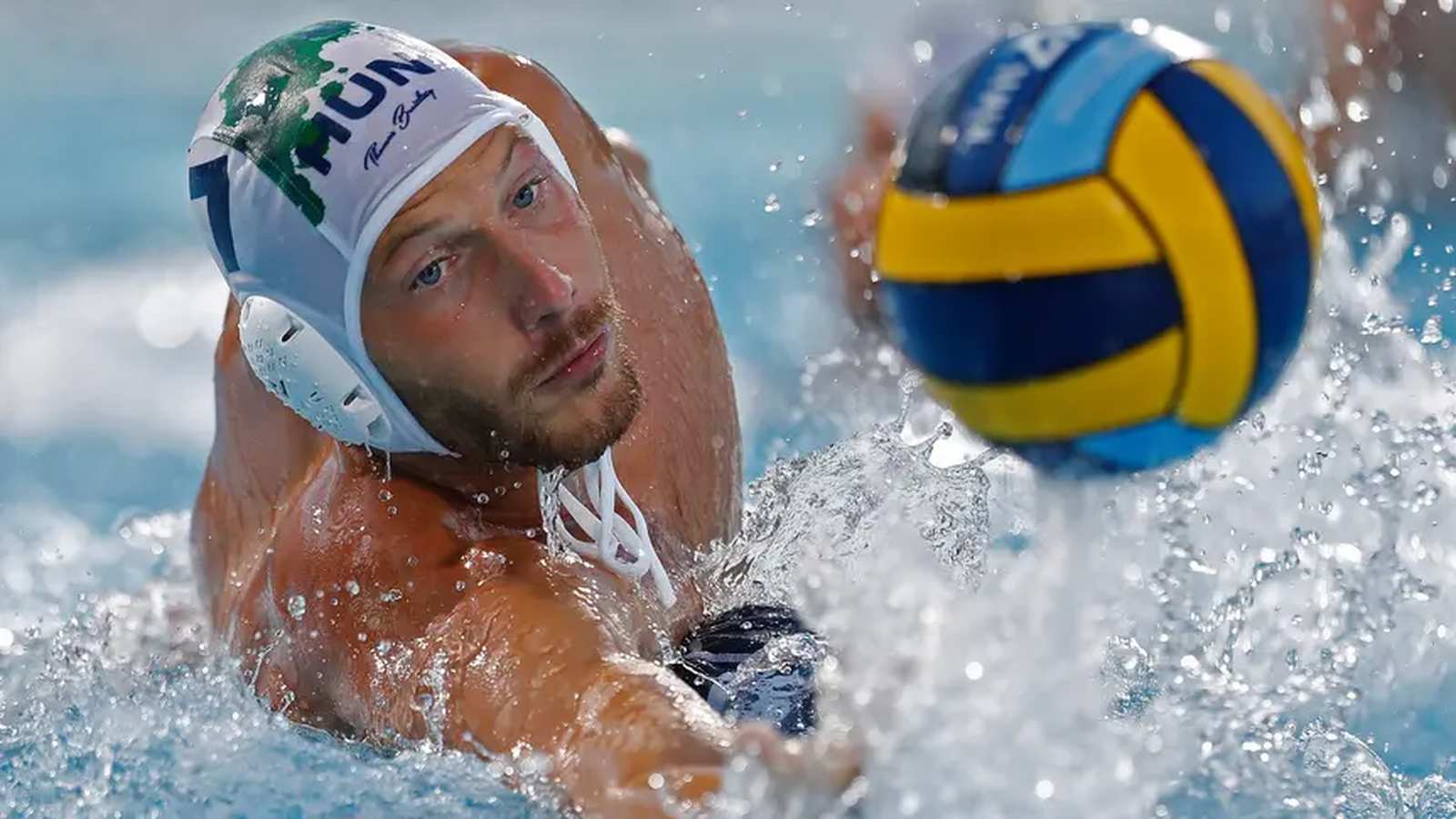
The Greek men’s national water polo team has finally reached the pinnacle of the sport, securing its first-ever world title at the 2026 World Aquatics World Cup Final Eight in Sydney, Australia. After years of persistent effort and five previous heart-breaking defeats in major world finals, the squad led by coach Thodoris Vlachos defeated Hungary 15-14 in a tense, high-stakes championship match held in late July 2026.
The victory marks a significant shift in the competitive landscape of international water polo. Dimitris Skoumpakis emerged as the standout performer in the final, netting five goals, while Stylianos Argyropoulos was honored as the tournament’s Most Valuable Player (MVP). The win follows a rigorous path to the final, which included a quarterfinal victory over Montenegro and a narrow 10-9 semifinal win against Italy, where goalkeeper Panagiotios Tzortzatos anchored the defense with 23 saves.
The Women’s Tournament and Global Stakes
In the women’s bracket, the United States maintained its dominance in the global game, securing the gold medal with a convincing 13-9 victory over Spain. Emily Ausmus led the American charge with six goals, while goalkeeper Amanda Longan proved impenetrable, recording 13 saves. The final was defined by the U.S. team’s disciplined defensive structure and efficient 7/13 power-play conversion rate.
The Sydney tournament served as a crucial qualification pathway for the 2027 World Championships in Budapest. While the top-tier finishers secured their spots, the intensity of the competition underscored the narrowing gap between the traditional powerhouses and emerging contenders like Australia, whose men’s team reached the semifinals and qualified for the 2027 event.
Tactical Evolution
The final between Greece and Hungary was a masterclass in tactical adaptability. Despite Hungary’s pedigree and recent success in the European circuit, Greece controlled the tempo for much of the match. The victory serves as a culmination of years of institutional development for the Greek federation, which had long sought to bridge the gap between consistent podium finishes and the top step of the world stage.