


Ceasefire Fails to Halt Gaza Violence: Airstrikes and Demolitions Continue
The ink on the latest ceasefire agreement between Israel and Hamas is barely dry, yet the sound of explosions still echoes across Gaza. As the world watches, Israeli airstrikes and demolitions persist, painting a grim picture of a truce under strain. According to Al Jazeera, more than 240 Palestinians have been killed in Israeli bombings since the ceasefire deal came into effect last month. The Gaza Health Ministry warns that these attacks have not only taken lives but have left entire neighborhoods flattened, making the concept of ‘peace’ feel distant for those on the ground.
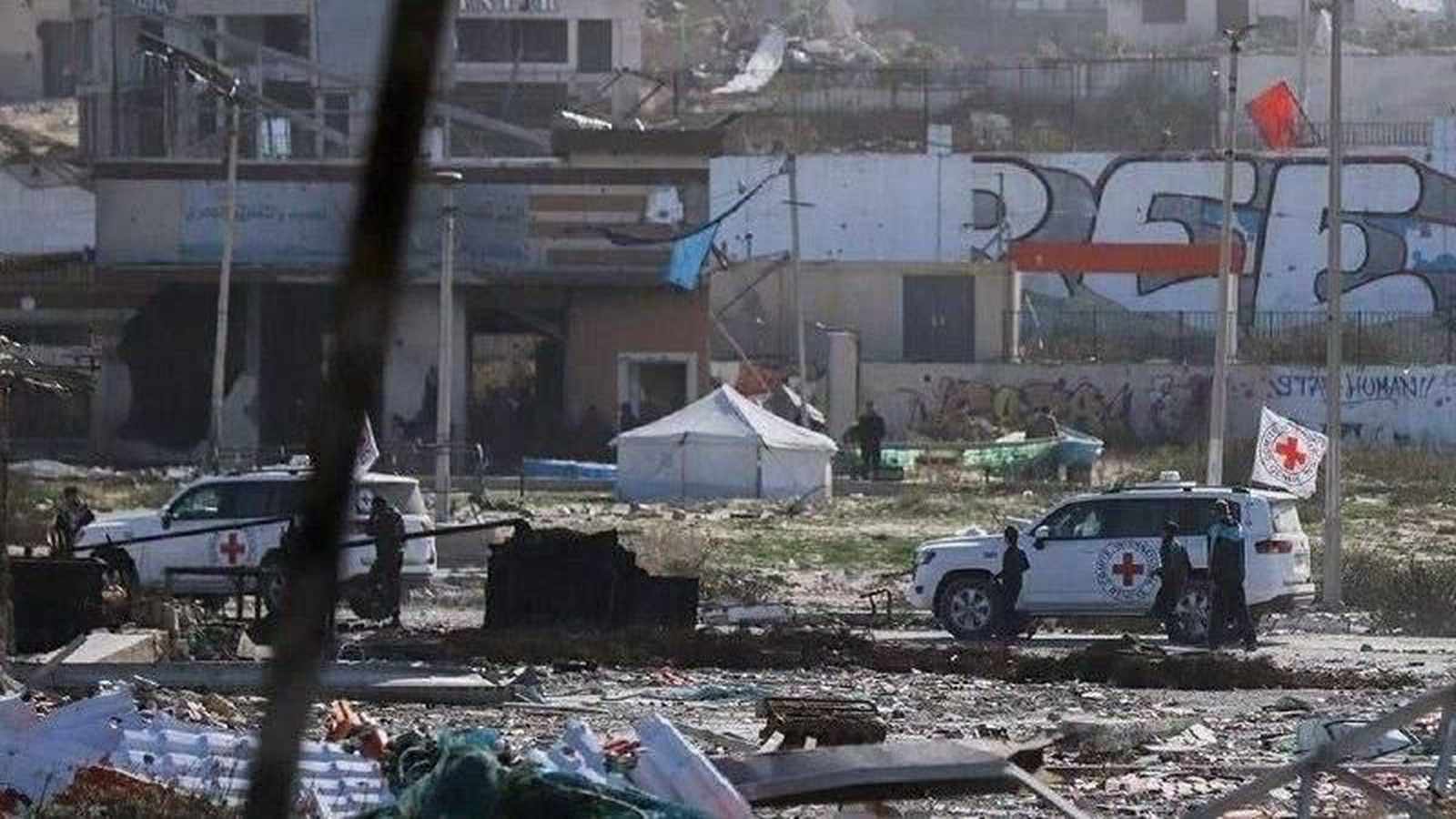
South Gaza, especially the city of Rafah, remains a focal point. Once a bustling urban center, Rafah is now described as ‘decimated to the ground,’ following over a year of Israeli military operations. While the ceasefire was intended to pause hostilities, the reality is far more complicated: Israeli forces continue to demolish homes and infrastructure, while displaced families struggle to find safety amid ruins.
Hostage Remains Recovery: Hamas Retrieves Hadar Goldin’s Body
Amid this chaos, a significant development emerged: the recovery of the remains of Israeli soldier Hadar Goldin, captured by Hamas in 2014 during a military ambush. The retrieval, confirmed by both Al Jazeera and i24NEWS, unfolded under the watch of international mediators, who granted Hamas’s Qassam Brigades permission to access a tunnel in Rafah.
This tunnel, repeatedly inspected by Israeli forces over the past year, became the site of a somber handover. The Red Cross played a key role, facilitating the process in the IDF-controlled Jneineh neighborhood. For Goldin’s family, the wait has been agonizing; they urge patience as official confirmation and the return of the remains are still pending. The episode highlights the complex human dimensions of conflict, where closure is often elusive and fraught with emotion.
Civilian Risks and Humanitarian Crisis: Explosives, Medicine Shortages, and Olive Harvest Attacks
Even as negotiations and retrievals unfold, civilians face daily hazards. In Khan Younis, a Palestinian child was killed when an explosive device left behind by Israeli forces detonated. Unexploded ordnance is a silent threat, lurking in destroyed neighborhoods and posing risks to families attempting to return home. Palestinian Civil Defence spokesperson Mahmoud Basal estimates that Israel has dropped at least 200,000 tonnes of explosives on Gaza, with about 70,000 tonnes failing to detonate. These remnants turn acts of survival—returning home, rebuilding lives—into perilous undertakings.
Healthcare in Gaza has also reached a breaking point. Munir al-Bursh, director of Gaza’s Health Ministry, describes medicine shortages as ‘the most dangerous manifestation of the health system’s collapse.’ More than half of essential medicines are unavailable, while shortages of medical supplies have exceeded 65 percent. Chronic illness patients, including those with cancer, diabetes, or kidney failure, face life-threatening disruptions in their treatment. With over 350,000 people in Gaza City alone requiring regular medication, the humanitarian crisis deepens each day the conflict drags on.
In the West Bank, a different kind of violence targets tradition and livelihood. Israeli settlers have launched near-daily assaults on Palestinian farmers during the olive harvest—an event that holds profound cultural and economic significance. The UN reports at least 126 attacks since September, with over 4,000 olive trees and saplings vandalized or uprooted. Farmers and rights groups argue these acts are part of a broader effort to displace Palestinians and expand Israeli settlements. The destruction of olive groves, cultivated for generations, strikes at the heart of Palestinian resilience and heritage.
Ceasefire Boundaries and Continued Clashes: The ‘Yellow Line’ Dilemma
Despite the formal ceasefire, the reality on the ground is shaped by invisible boundaries and ongoing confrontations. The Israeli military enforces a ‘yellow line’ demarcation, intended as a buffer under the ceasefire’s first phase. Yet, this line remains undefined for Palestinian civilians, who risk their lives simply by approaching it. Satellite images reveal more than 40 active Israeli military posts behind the line. In recent incidents, Israeli forces shot and killed Palestinians accused of crossing the boundary, including two people in northern Gaza and one in the south. These episodes underscore the unpredictability—and danger—of daily life for Gazans, where the distinction between peace and war is perilously thin.
Meanwhile, Israeli Defense Minister Israel Katz reasserted the government’s commitment to recovering all captive remains and eliminating remaining tunnels in Gaza. His statement, ‘Israel will act until the remaining captives’ bodies are returned and the last tunnel is dug,’ signals a continuation of military operations despite the ceasefire, further straining hopes for lasting peace.
Violence Spills Over: West Bank and Lebanon Incidents
The ripple effects of the conflict extend beyond Gaza. In the occupied West Bank, Israeli settlers, often accompanied by armed soldiers, have attacked Palestinian homes and farmland. In Raba village near Jenin, homes were assaulted, while nearby children playing around a school faced raids by Israeli forces. The Palestinian Journalists Syndicate has condemned a recent attack on reporters in Beita, calling it a ‘war crime’ and urging international protection for journalists systematically targeted during the unrest.
Across the border in southern Lebanon, Israeli military operations continue. Drone and airstrikes have killed and injured several people, including alleged members of Hezbollah and the Lebanese Resistance Brigades, according to the Lebanese National News Agency and i24NEWS. These incidents reflect the broader regional volatility, where ceasefires are fragile and violence can ignite in multiple directions.
Diplomacy, Mediation, and the Path Forward
International mediators remain active behind the scenes, facilitating negotiations over hostages and ceasefire terms. The Red Cross’s involvement in the recovery of Hadar Goldin’s remains, and ongoing efforts to secure safe passage for Hamas operatives stranded in Rafah, underscore the complexity of diplomatic engagement. As families, journalists, and humanitarian workers navigate these uncertain waters, the search for durable solutions continues—a process marked by setbacks and small victories alike.
The persistence of violence and humanitarian hardship in Gaza, even under a declared ceasefire, lays bare the immense challenges facing both sides. The retrieval of Hadar Goldin’s remains offers a glimmer of closure for some, but for the majority of Palestinians and Israelis, the cycles of trauma, displacement, and uncertainty endure. Until all parties commit to genuine de-escalation and the protection of civilians, the ceasefire risks becoming little more than a pause in an ongoing tragedy.