


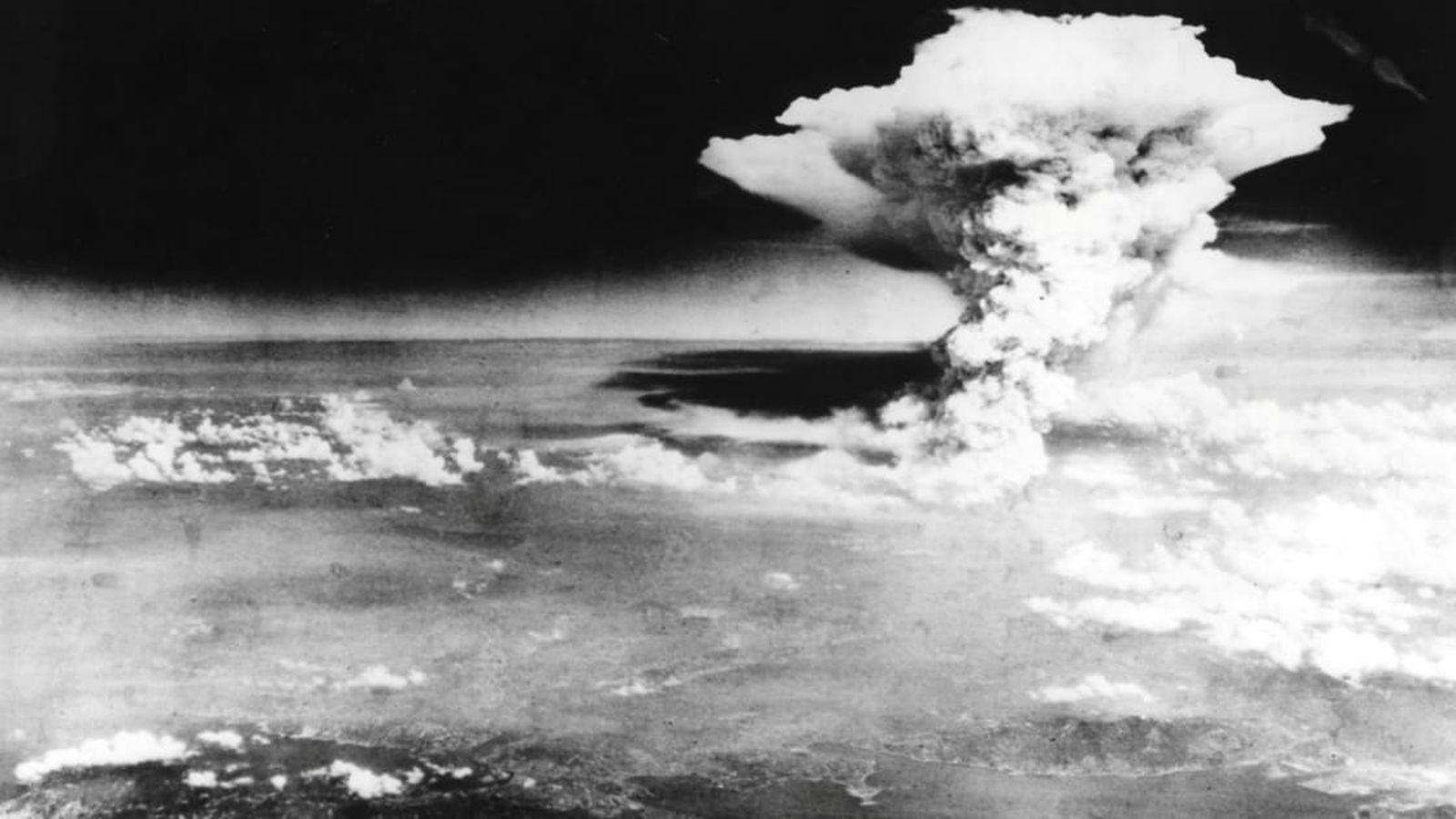
On August 6, 2026, commemorations marking the 81st anniversary of the atomic bombing of Hiroshima brought renewed scrutiny to the diplomatic, moral, and military calculations behind the dawn of the nuclear age. The anniversary coincides with the publication of previously archived firsthand accounts—including the lost memoir of survivor Reverend Kiyoshi Tanimoto—and comes at a moment when analysts and global leaders are reassessing the historical precedents of nuclear deterrence amid intensifying geopolitical friction.
The Initial Strike and Human Toll
At 08:15 local time on August 6, 1945, the U.S. B-29 bomber Enola Gay released the atomic weapon known as “Little Boy” over Hiroshima, a industrial and military center with an estimated population of 350,000. Detonating 1,900 feet above the city, the blast generated ground temperatures reaching 4,000 degrees Celsius and killed approximately 80,000 people instantly. By the end of December 1945, acute injuries, severe burns, and radiation poisoning raised the death toll to an estimated 140,000—representing roughly 40 percent of the city’s population.
Three days later, on August 9, a second atomic device (“Fat Man”) was dropped on Nagasaki, killing 40,000 instantly and an additional 34,000 in subsequent weeks. Japan signaled its willingness to surrender on August 10, agreeing to Allied terms following the Soviet entry into the Pacific War and the destruction of both cities, culminating in the formal signing aboard the USS Missouri on September 2, 1945.
Archival Discovery: The Tanimoto Memoir
Adding new depth to the historical record, the release of Hiroshima 8:15: The Lost Memoir by Methodist minister Reverend Kiyoshi Tanimoto provides an intimate look into the immediate aftermath. Educated at Emory University prior to World War II, Tanimoto survived the blast on the outskirts of Hiroshima and spent days rescuing victims and comforting the dying along the Ota River. His narrative, which had remained unexamined in the Yale University archives for decades, was edited and introduced by author David Corn.
Tanimoto, who was profiled in John Hersey’s seminal 1946 publication Hiroshima, eventually became an international advocate for nuclear disarmament. His recovered writings detail both the physical devastation of the city and his complex reflections on the responsibility of Japanese wartime authorities, illustrating how survivors navigated personal trauma while pushing for global non-proliferation.
Institutional and Strategic Reassessments
The decision by President Harry S. Truman to authorize the atomic strikes remains one of the most rigorously debated choices in modern history. Truman maintained that the weapons were necessary to force an unconditional Japanese surrender and prevent Operation Downfall—the planned Allied invasion of the Japanese mainland—which military planners estimated could cost hundreds of thousands of Allied lives and millions of Japanese casualties.
However, archival evidence highlights deep contemporary divisions within the U.S. government and scientific community. A survey conducted by the Council on Foreign Relations (CFR) alongside the Society for Historians of American Foreign Relations ranked the atomic bombing of Hiroshima as the fifteenth-worst foreign policy decision in U.S. history. High-ranking U.S. military commanders, including Generals Dwight D. Eisenhower and Douglas MacArthur, as well as Admirals Chester Nimitz and William Halsey, expressed strong skepticism regarding the military necessity of the bomb, arguing that conventional blockades and the Soviet declaration of war were already crippling Japanese forces.
Similarly, Manhattan Project scientists sought to avert the military deployment. The Franck Report of June 1941 and Leo Szilard’s petition, signed by 70 Manhattan Project scientists, urged the Truman administration to provide a public demonstration of the weapon or issue a formal warning before targeting populated urban areas. Truman ultimately accepted the advice of his Interim Committee, chaired by Secretary of War Henry Stimson, which recommended unannounced military deployment against an industrial target surrounded by worker housing.
Modern Policy and Non-Proliferation Context
Eighty-one years after the Trinity test and the strikes on Japan, the global nuclear security environment has evolved significantly. While the destruction of Hiroshima and Nagasaki established a tabu against the operational use of nuclear weapons, contemporary analysts emphasize that the quantitative and qualitative expansion of nuclear arsenals—now held by nine sovereign states—presents growing risks of miscalculation.
Commemorative statements from civil society, religious figures, and international bodies on August 6 underscored the need to maintain existing arms control frameworks. The synthesis of historical documentation, such as the Tanimoto memoir, with current defense policy debates reflects an ongoing effort by historians and security experts to draw operational lessons from 1945 as non-proliferation treaties face increasing strain.