


Hungary’s Energy Dilemma: A Tightrope Walk Between East and West
In the heart of Europe, Hungary finds itself at the intersection of competing geopolitical interests. As a NATO member, the country is under increasing pressure to align with Western allies in isolating Russia economically. Yet, Hungary’s energy dependence on Russian oil and gas complicates its ability to fully commit to these demands. According to the Centre for Research on Energy and Clean Air, Hungary remains one of the largest buyers of Russian oil within NATO, alongside Slovakia and Turkey. This dependence underscores a broader dilemma: how can Hungary reconcile its energy needs with its obligations as a member of the Western alliance?
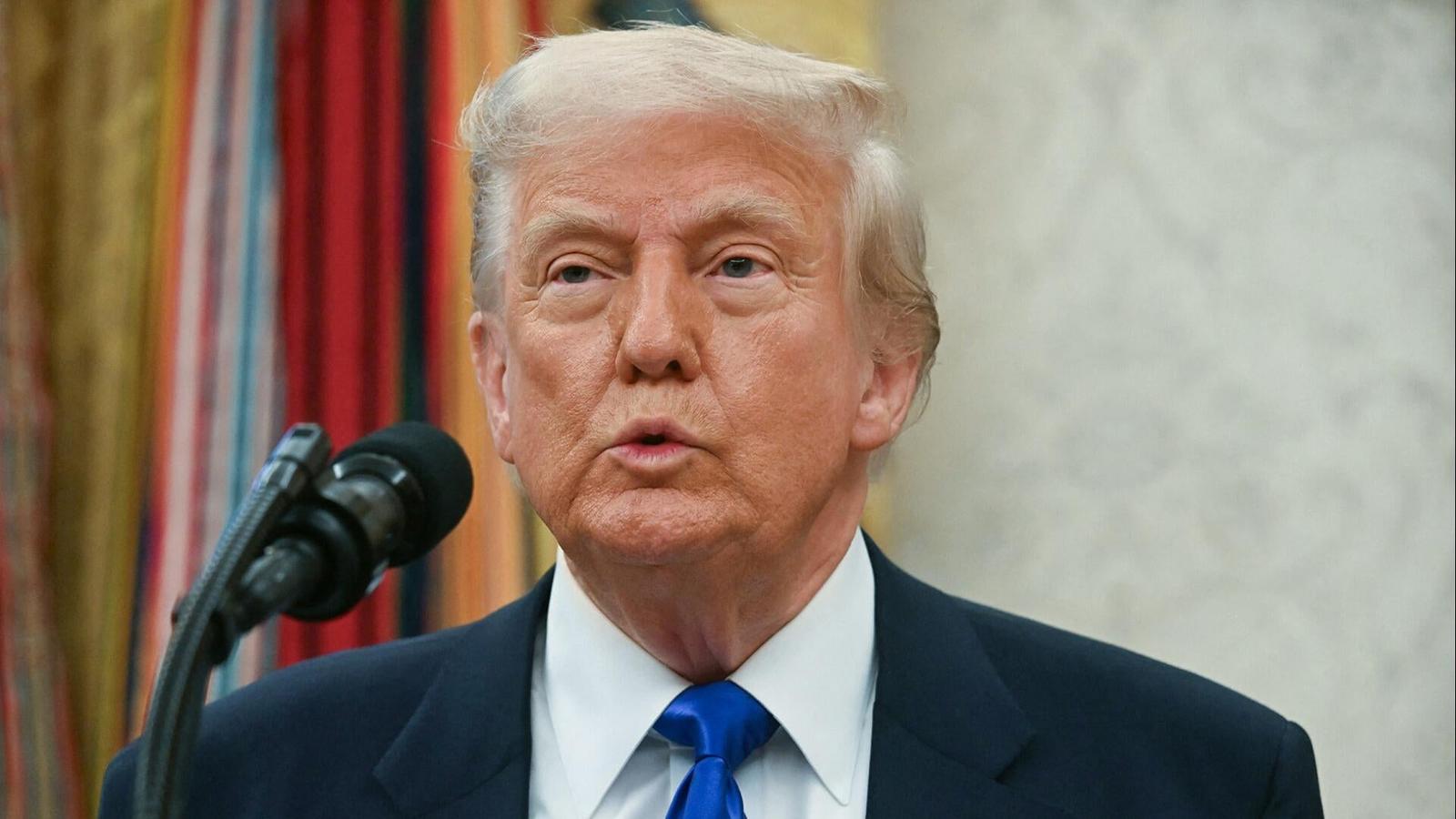
US President Donald Trump recently called for NATO countries to cease purchasing Russian oil, arguing that such transactions undermine the alliance’s negotiating power against Moscow. Hungary, however, has been resistant to such directives, citing the practical challenges of transitioning away from Russian energy. Budapest’s position reflects a broader tension within NATO, as member states grapple with varying levels of dependence on Russian resources. For Hungary, the stakes are particularly high, as energy revenues remain a critical lifeline for the Kremlin, funding its ongoing war in Ukraine.
Hungary’s stance has drawn criticism from its allies, who view its continued energy ties with Russia as a weak link in NATO’s collective strategy. Yet, from Budapest’s perspective, the immediate economic and logistical hurdles of shifting energy sources outweigh the long-term geopolitical benefits. This balancing act highlights the complexities of maintaining national interests while adhering to alliance commitments.
Joseph Pulitzer: A Hungarian Legacy That Shaped American Journalism
While Hungary’s modern-day challenges dominate headlines, the country’s historical contributions to global culture and politics often go underappreciated. One such contribution is the legacy of Joseph Pulitzer, the Hungarian-born media mogul who revolutionized American journalism. Born in Makó, Hungary, in 1847, Pulitzer emigrated to the United States in search of opportunity. By the late 19th century, he had transformed The World newspaper into a powerhouse of investigative journalism and public advocacy.
Pulitzer’s career was marked by both innovation and controversy. His rivalry with William Randolph Hearst gave rise to the era of “yellow journalism,” characterized by sensationalized news and eye-catching headlines. This period saw The World and Hearst’s New York Journal fiercely competing for readership, often at the expense of journalistic integrity. Yet, Pulitzer’s influence extended beyond the sensational. He championed causes such as education and social reform, setting a precedent for the role of media as a tool for public good.
Pulitzer’s legacy lives on through the Pulitzer Prizes, established in his will to honor excellence in journalism, literature, and the arts. For Hungary, his story serves as a reminder of the country’s enduring impact on global culture, even as it navigates contemporary challenges.
Travel Advisory: Hungary and the Schengen Zone’s New Entry Rules
In a separate yet equally significant development, Hungary has been included in the UK’s updated travel advisory for the Schengen Area. New border control measures, including the implementation of the European Entry/Exit System (EES) in October 2025, are set to impact travelers across Europe. These changes require biometric data collection and stricter passport validity checks, adding an additional layer of complexity for international visitors.
For British travelers, the new requirements mean ensuring their passports meet the 10-year issue date rule and remain valid for at least three months beyond their planned departure from the Schengen Area. Hungary, like other Schengen countries, also requires proof of accommodation, sufficient funds, and travel insurance for entry. These measures aim to enhance security but may lead to longer wait times at border crossings.
The travel advisory serves as a reminder of the interconnectedness of modern Europe, where policy changes in one region can ripple across the continent. For Hungary, these developments are part of a broader effort to align with EU regulations while maintaining its unique identity within the bloc.
Looking Ahead: Hungary’s Role in a Shifting World Order
As Hungary navigates its place in a rapidly changing world, its leaders face difficult choices. Balancing energy dependence with alliance commitments, preserving cultural heritage while embracing modernization, and addressing domestic needs alongside international obligations are all part of the country’s complex equation.
Hungary’s ability to adapt to these challenges will shape its role in Europe and beyond. Whether through its historical contributions, like the legacy of Joseph Pulitzer, or its strategic decisions on energy and security, Hungary remains a key player in the global arena. As the world watches, Budapest’s actions will continue to resonate far beyond its borders.
Hungary’s balancing act is a microcosm of the broader tensions facing nations today: the struggle to reconcile national interests with global responsibilities. Its choices will not only define its future but also influence the dynamics of the alliances it belongs to.