


Rulebook Revision and Organizational Response
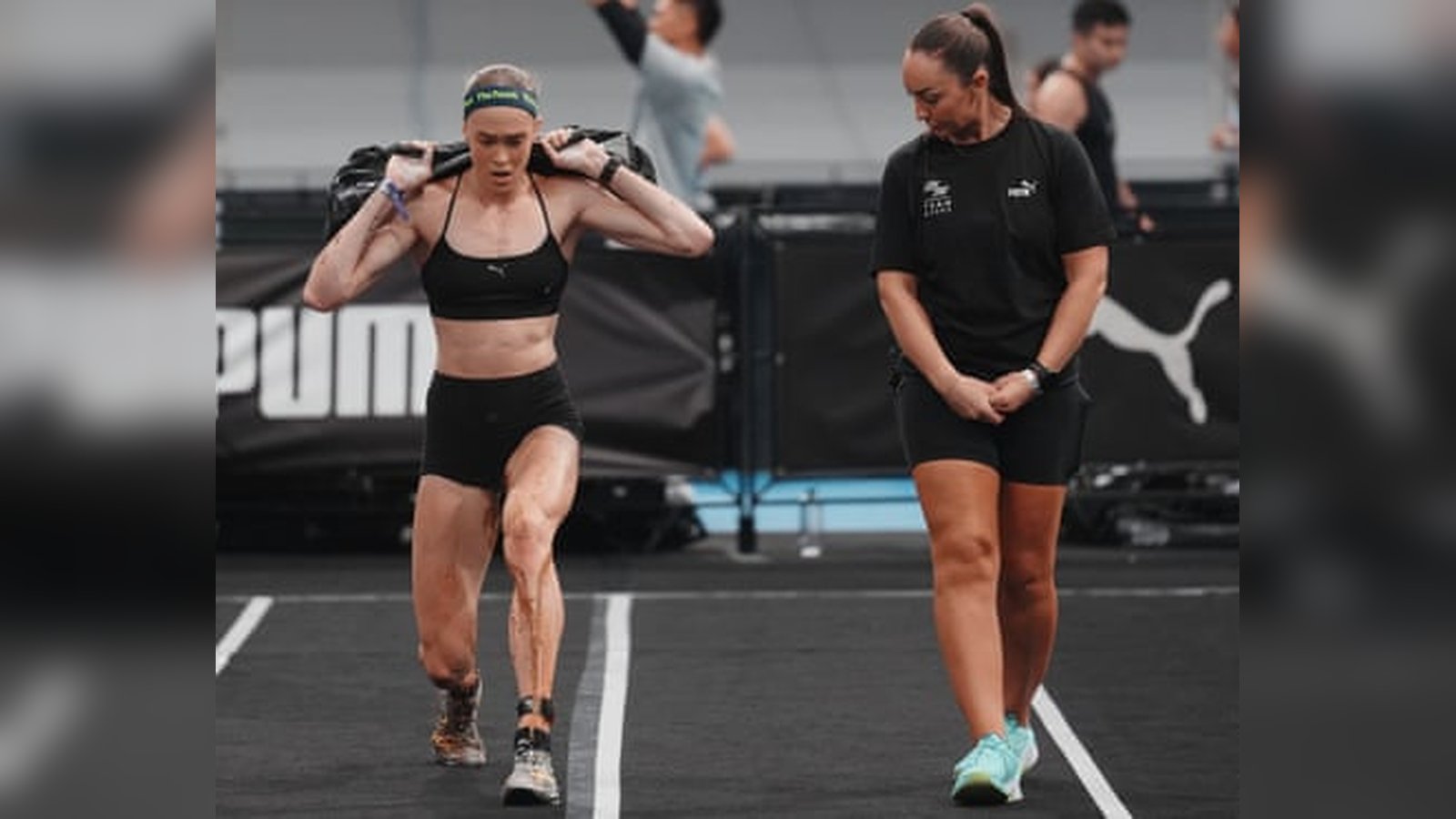
Global fitness racing organization Hyrox has announced an immediate overhaul of its competition rulebook following a high-profile incident at a Beijing event on September 12. During the women’s elite race at the National Speed Skating Oval, Australian athlete Joanna Wietrzyk continued to compete and ultimately won the event despite suffering from visible bowel incontinence mid-race. The incident, which saw the athlete navigate shared fitness stations while visibly soiled, was captured on video and circulated widely on social media, sparking intense debate regarding public health standards, event safety, and the limits of athletic perseverance.
In response to the backlash, Hyrox co-founder Moritz Fürste issued a formal apology on Instagram, admitting that the organization failed to react appropriately during the live event. “Hyrox made a mistake by not reacting immediately during the race,” Fürste stated, confirming that the organization is implementing new procedures to address “extreme physical distress and venue public health risks.” According to The Guardian, the company has confirmed that the affected lanes were isolated for deep cleaning, contaminated equipment was removed, and venue flooring was replaced overnight to ensure safety before competition resumed.
Defining the Limits of Competition
The controversy has highlighted a significant gap in Hyrox’s existing regulatory framework. While the organization previously maintained rules penalizing minor infractions—such as spitting or littering—it possessed no specific protocol for handling biological contaminants. Newsweek reports that organizers acknowledged their referees lacked clear guidance, often relying on their own experience rather than established policy. This ambiguity created a friction point between the celebration of elite endurance—where athletes often push through extreme physical distress—and the basic health expectations of the mass-participation community.
Participants at the Beijing event have expressed concern over the organization’s handling of the situation. Joe Ho, a fellow competitor, argued that the primary concern should be the safety of all participants who pay for a professionally managed environment. “I paid Hyrox to provide a professionally organised and safe event,” Ho stated. The organization has since warned that any online abuse or threats directed at Wietrzyk will result in a permanent ban from all future Hyrox events, as the community remains divided over whether the athlete should have been disqualified or if the responsibility rested entirely with the organizers to stop the race.