


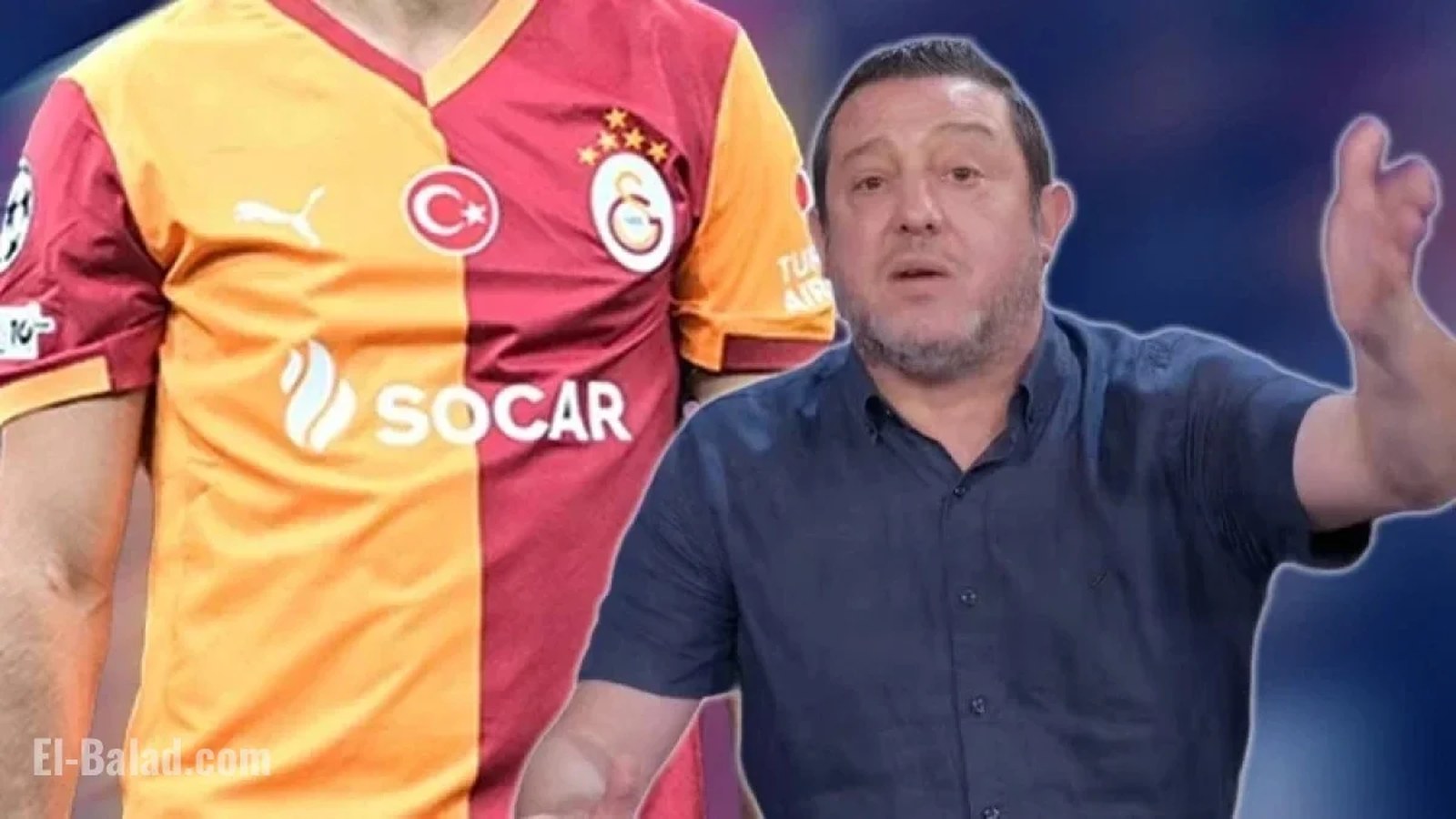
Galatasaray’s Champions League Ambitions Hit by Union SG Defeat
On a chilly night in Istanbul, the mood at Rams Park was far from celebratory. Galatasaray, one of Turkey’s football giants, suffered a narrow but significant defeat against Belgium’s Union SG, losing 1-0 in front of their home fans. The result marked their second loss in the UEFA Champions League group stage, sparking urgent conversations across Turkish sports media and among supporters about what went wrong—and who was responsible.
Nihat Kahveci’s Blunt Critique: Spotlight on Gündoğan
Former Turkish international and respected commentator Nihat Kahveci didn’t mince words after the match. In a post-game analysis aired on national television and cited by el-Balad, Kahveci described Galatasaray’s performance as “well below expectations.” Among his pointed observations, one stood out: İlkay Gündoğan, the German-born midfielder recently signed to bring experience and stability to the squad, delivered what Kahveci labeled as “one of his worst career matches.”
According to Kahveci, Gündoğan’s night was marred by repeated turnovers and a visible lack of composure under pressure. “He struggled to control the midfield, lost possession too often, and couldn’t dictate the pace as he usually does,” Kahveci noted. For a player with Gündoğan’s pedigree—Champions League experience, Bundesliga and Premier League titles—such criticism is rare, but the stakes in Istanbul are always high.
Missing Stars and Tactical Gaps
The defeat wasn’t solely pinned on Gündoğan. Kahveci emphasized the absence of key players, including Victor Osimhen and Mario Lemina, who were sidelined due to injury. Their absence, he argued, left the team without its usual dynamism and tactical depth. Osimhen’s ability to stretch defenses and Lemina’s defensive cover were both missed, forcing Galatasaray’s midfield to shoulder more responsibility—a challenge that proved too steep on the night.
Union SG, meanwhile, came prepared. Kahveci praised their improved tactical discipline, especially when compared to their earlier match against PSV. “Union SG showed much greater organization and resilience,” he said, adding that Galatasaray failed to match their intensity and pressing.
Refereeing Controversies: A Turning Point?
As is often the case in high-stakes football, the officiating did not escape scrutiny. Kahveci pointed to a pivotal moment when Union SG’s Promise David, already on a yellow card, committed a foul that he believed deserved a second booking. The referee’s decision to let it slide, Kahveci argued, “could have changed the dynamics of the game entirely.” Such incidents add layers to post-match debates, fueling frustration among fans and analysts alike.
Comparing Galatasaray’s Attack: Osimhen vs. Icardi
Beyond the midfield struggles, Kahveci drew comparisons between Victor Osimhen and Mauro Icardi, two of Galatasaray’s high-profile forwards. He stressed that Osimhen’s contributions go beyond scoring goals; his movement and link-up play are integral to Galatasaray’s attacking strategy. “Osimhen’s presence transforms the way the team plays,” Kahveci remarked, suggesting that Icardi, while effective in the box, does not offer the same versatility.
With Osimhen missing, Galatasaray’s attack appeared static and predictable, making it easier for Union SG to defend and eventually capitalize on their opportunities.
Team Morale and the Road Ahead
The loss has cast a shadow over Galatasaray’s Champions League campaign. Players and staff now face the task of regrouping, addressing tactical deficiencies, and restoring morale before the next round of fixtures. For Gündoğan, the criticism serves as a wake-up call—a reminder that expectations in Istanbul are relentless, and every performance is dissected in detail.
But football is, above all, a game of momentum and redemption. One match does not define a season, nor a player’s legacy. Gündoğan’s track record suggests resilience; how he responds to this setback may well shape Galatasaray’s fortunes in the coming weeks.
Media and Fan Reactions: Divided Opinions
The Turkish football community remains divided. While some echo Kahveci’s concerns about individual performances, others point to broader issues: squad depth, injury management, and the need for tactical flexibility. Social media platforms buzzed with debates, memes, and analysis, reflecting both the passion and the impatience of Galatasaray’s supporters.
Club officials have yet to comment publicly on Kahveci’s critique, but internal reviews are reportedly underway. The pressure is on not just for Gündoğan, but for the entire coaching staff to find answers and restore the team’s competitive edge.
The Gündoğan Factor: Experience vs. Expectations
When Galatasaray signed İlkay Gündoğan, expectations soared. His leadership, passing range, and experience at the highest levels were seen as assets that could tip the balance in European competition. Yet, as Kahveci’s analysis reveals, even seasoned professionals can falter under the spotlight.
The coming matches will be crucial, not just for Galatasaray’s Champions League ambitions, but for Gündoğan’s reputation in Turkish football. Whether he rebounds with a commanding performance or struggles to find his rhythm will be watched closely, both at home and abroad.
Assessment: The criticism leveled at Ilkay Gündoğan following Galatasaray’s defeat to Union SG underscores the razor-thin margins in elite football. Injuries, tactical gaps, and officiating controversies all contributed to the team’s struggles, but Gündoğan’s performance became a focal point for analysis. As Galatasaray looks to recover, the midfielder’s ability to respond under pressure will be pivotal—not just for his own legacy, but for the club’s hopes in Europe. This episode serves as a reminder: in football, reputations are forged and tested on nights like these.