


New Approaches to Classroom Distractions
As the 2026-2027 academic year commences, school districts across the United States are adopting divergent strategies to manage student focus and modernize classroom environments. In Hawaii, a new statewide policy has taken effect, restricting the use of personal mobile devices during the school day. The policy, which prohibits cellphone use in classrooms for high schoolers and throughout the day for elementary and middle school students, aims to curb digital distractions and foster face-to-face interaction.
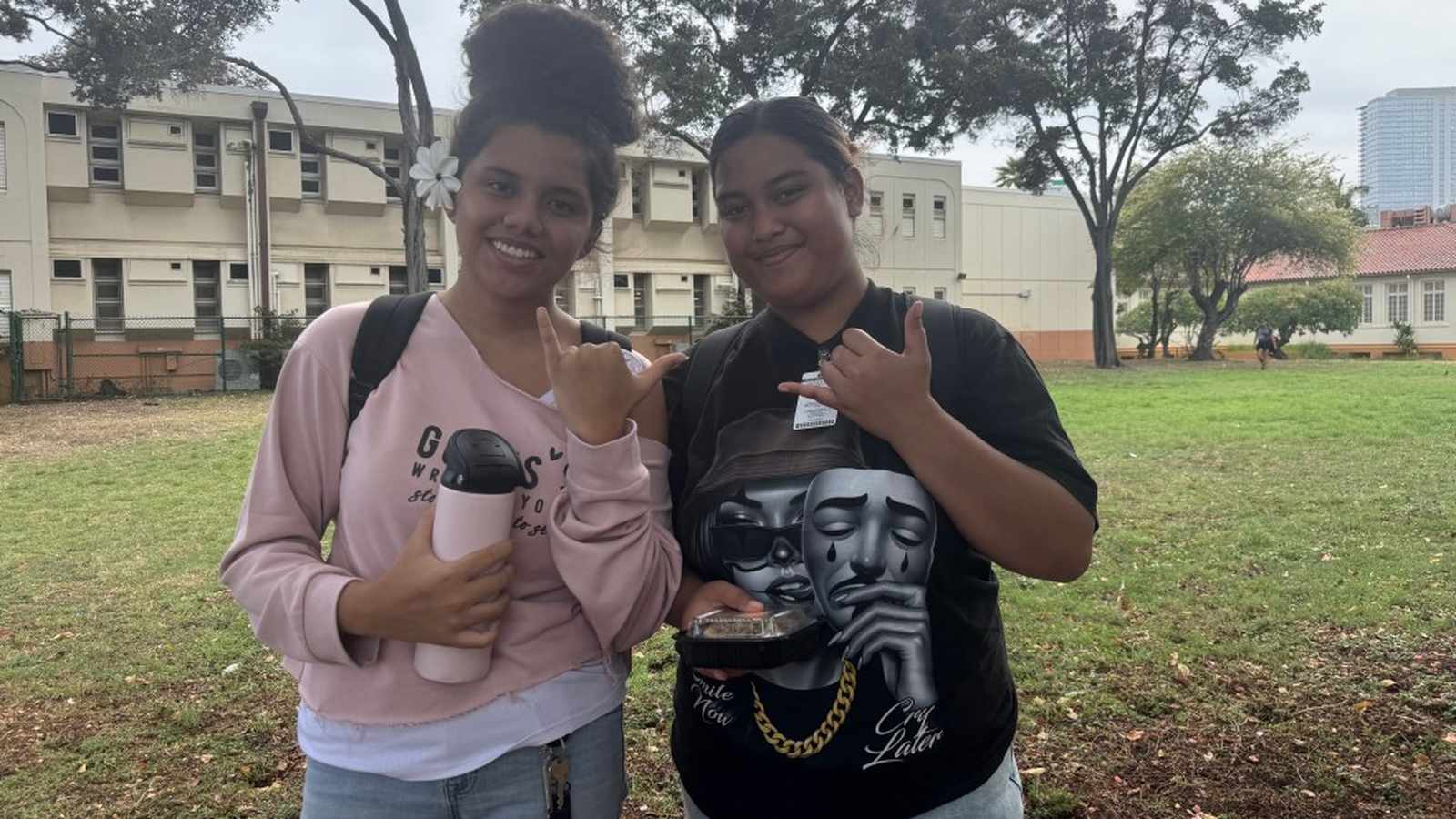
Superintendent Keith Hayashi, in a May communication to parents, emphasized that the initiative is intended to help students remain engaged in their studies. Early feedback from students, such as those at McKinley High School, suggests a mixed but generally positive reception. Many students report that the absence of constant notifications has led to increased participation and improved social dynamics within the classroom. However, some older students have raised concerns regarding personal safety and emergency communication, noting that strict enforcement—such as the collection of phones into pouches or boxes—can limit their ability to reach parents during unforeseen events.
Integrating Generative AI in Curriculum
Beyond behavioral policies, school leadership is increasingly focused on the role of emerging technology in the classroom. In Virginia, Spotsylvania County Public Schools (SCPS) is emphasizing the role of generative AI as a tool for pedagogical improvement. Superintendent Clint Mitchell noted that the district is prioritizing the training of staff to use AI tools ethically and effectively to support instruction.
This shift represents a broader trend in education administration where districts are balancing the mitigation of digital distractions with the adoption of advanced productivity tools. For SCPS, this involves navigating the complexities of federal funding, particularly through Title programs, which remain critical to providing the necessary resources for staff training. As districts like SCPS look toward the 2026-27 academic year, the focus remains on strengthening family partnerships and ensuring that students are equipped with the skills to navigate a tech-heavy future responsibly.
Balancing Policy and Student Needs
The tension between strict device management and student autonomy continues to evolve. While administrators like Principal Ron Okamura of McKinley High School view the current bans as a foundational step toward healthier habits, others in the mental health field suggest that even more stringent, day-long bans might be necessary to mitigate the negative impacts of social media on adolescent well-being. As the first semester progresses, districts will likely monitor the efficacy of these policies in balancing academic performance with student safety and mental health.