


A New Culinary Circuit
For decades, San Francisco’s political power was brokered over martinis and ribeyes at historic establishments like John’s Grill and Sam’s Grill. However, under Mayor Daniel Lurie, the city’s “power-broker meal” has undergone a significant transformation. Since taking office, Lurie has distanced himself from the traditional “City Family” haunts, favoring a new rotation of high-end establishments that reflect his administration’s business-oriented approach.
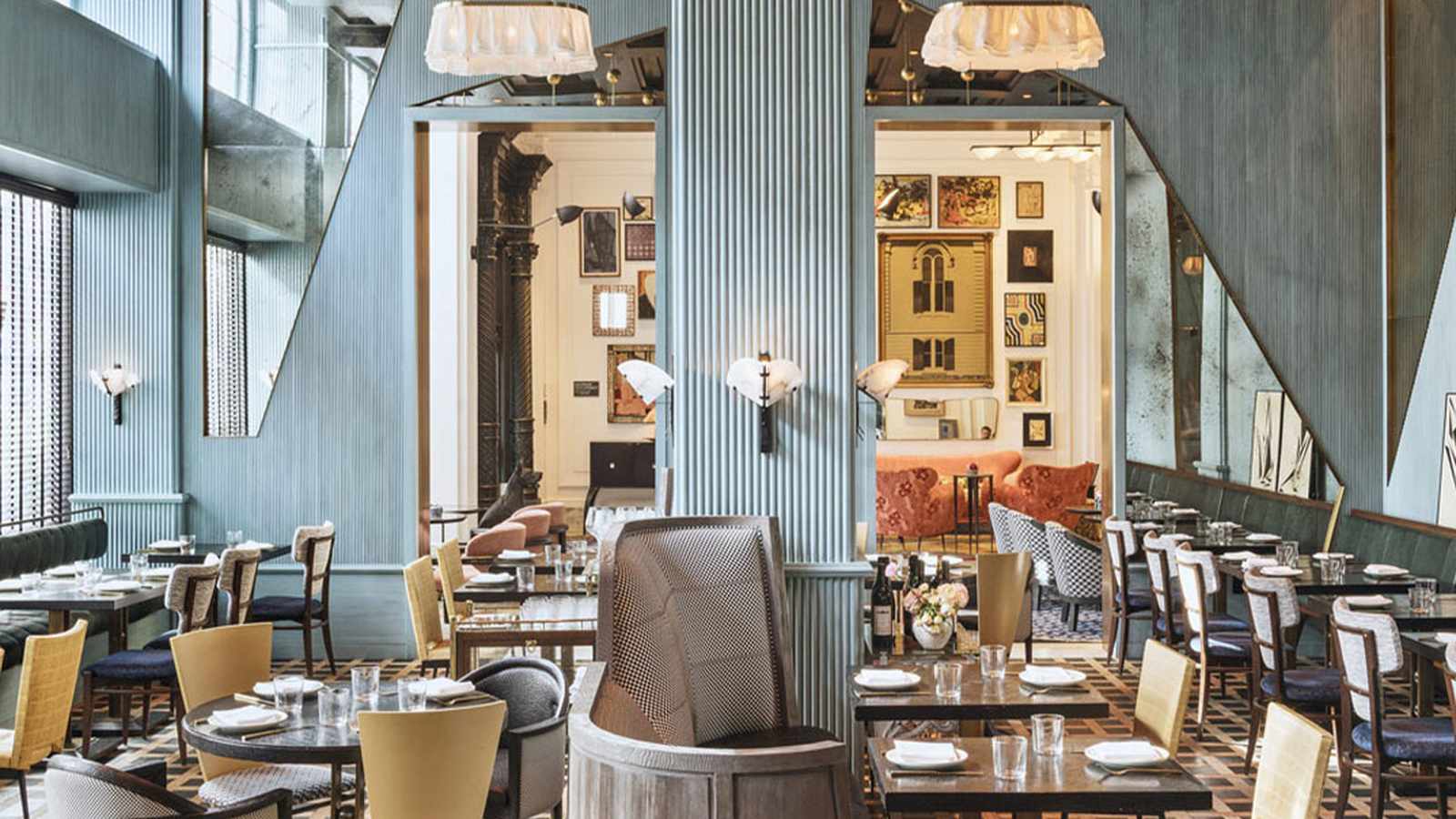
At the center of this shift are the restaurants owned by chefs Lindsay and Michael Tusk, specifically the three-Michelin-starred Quince and its sister venue, Cotogna. These locations have become common meeting grounds for the city’s new political and economic elite, including philanthropist Laurene Powell Jobs and designer Jony Ive. According to records and observations, these venues now host high-level strategy meetings and business discussions that were once reserved for the wood-paneled walls of downtown steakhouses.
The Divide: Oligarchs vs. The Working Hacks
The transition is not absolute, and it has created a distinct cultural divide within city politics. Veteran political consultant Eric Jaye describes the current landscape as a bifurcation: “Quince is for the oligarchs, Sam’s is for the working hacks.” While the elite gather in Jackson Square, the rank-and-file staffers, lobbyists, and legacy figures—most notably former Mayor Willie Brown—remain tethered to the traditional institutions.
Brown, a fixture of San Francisco politics for over 70 years, continues to hold court at Sam’s Grill, which he identifies as the current “political headquarters.” Despite the mayor’s shift in preference, these legacy spots continue to serve as the nerve centers for City Hall staff, attorneys, and real estate developers. Owners like Mark Buell of Sam’s Grill emphasize that despite the influx of new tech-aligned power players, the old guard of San Francisco politics shows no sign of abandoning these 19th-century institutions.
A Mayor of Many Tables
While his preference for the Tusk triad is clear, Mayor Lurie has also made a concerted effort to diversify his public presence. His social media activity highlights a wide range of local businesses, from sandwich shops like Dolores Deluxe to casual spots like Hawaiian Drive Inn. This approach distinguishes him from predecessors like Ed Lee, who favored “greasy-spoon” diners, or London Breed, who often sought privacy at neighborhood staples like Sheba on Fillmore.
Ultimately, the evolution of San Francisco’s dining scene mirrors the broader changes in the city’s political fabric. As former Supervisor Aaron Peskin noted, while trends in the city are known to cycle rapidly, the survival of historic institutions through earthquakes and pandemics suggests that the old and the new will likely continue to coexist, serving different segments of the city’s diverse political ecosystem.