


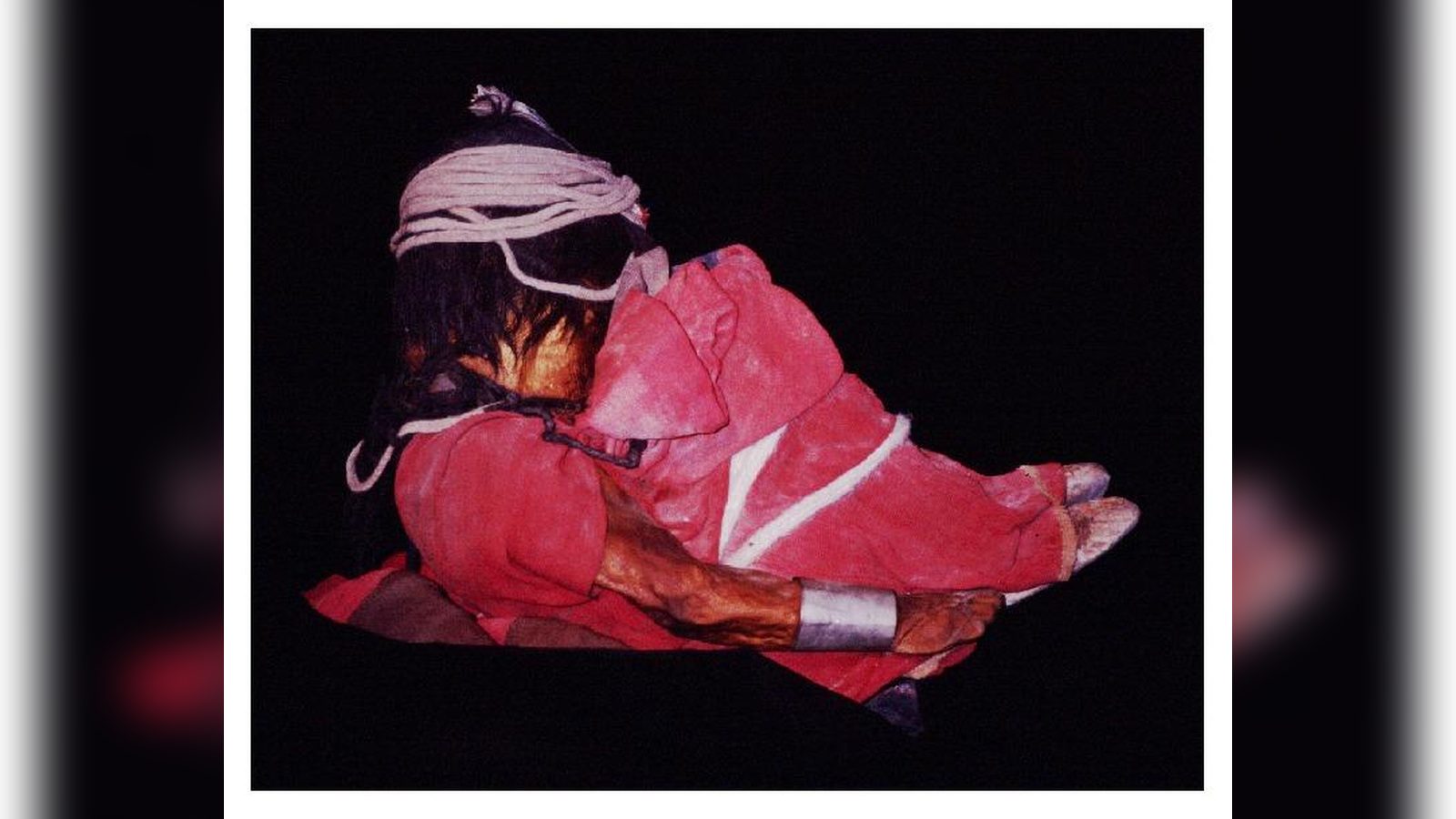
Advanced forensic testing of eight mummified children from the Inca Empire has revealed that victims chosen for mountaintop rituals were systematically given cocaine, alcohol, and ayahuasca. The comprehensive toxicological study, led by Dagmara Socha of the University of Warsaw and published in Antiquity, provides the most detailed chemical analysis of the historic capacocha sacrifices to date, according to New York Post reporting published in November 2026.
Spanning victims between 6 and 14 years of age from sites across Peru and Argentina, the research demonstrates that the administration of mind-altering substances was a central component of the sacred state rituals. The historical practice, known as capacocha, combined Quechua terms for royal and water or body, serving as a vital religious mechanism to appease mountain deities known as Apus during dire societal crises such as droughts, famines, political turmoil, or major royal transitions, as Earth.com noted.
Forensic Evidence of Complex Ritual Drug Use
The research team screened hair and nail samples from the eight mummies for ten different psychoactive compounds. The results confirmed that every single child had traces of cocaine in their system, derived from chewing coca leaves rather than modern refined preparations. In addition, half of the tested mummies showed chemical markers of alcohol consumption. For the Argentine specimens, laboratory testing identified cocaethylene, a distinct compound formed in the liver when alcohol and cocaine are metabolized simultaneously.
These chemical findings align closely with 16th-century Spanish chronicles detailing the use of fermented corn beer, known as chicha, designed to dull the senses and maintain calm among the young victims during their final days. Furthermore, researchers suggest the combination of substances helped the children stave off severe hunger and altitude sickness during their grueling physical ascent up Andean volcanoes.
Ayahuasca Discovery and Regional Customization
Perhaps the most striking chemical revelation came from the fingernail analysis of a 14-year-old girl discovered near the summit of Peru’s Mount Ampato. Scientists detected traces of harmine, a primary active compound found in the woody vine utilized to brew ayahuasca tea, representing one of the most potent psychedelic brews in the ancient world.
Rather than inducing an intense hallucinogenic experience on treacherous, freezing mountain terrain, researchers conclude that the Incas administered the brew for the same physiological and psychological soothing purpose as chicha and coca. The distinct variation in substances across different mummies indicates that the capacocha ritual was not a rigid, uniform procedure, but rather a localized practice adapted to specific regional cults, deities, and ancestral traditions.
The Climax of the Capacocha Ceremony
Once the children reached the freezing mountain summits, the final phase of the capacocha ritual commenced. Historical accounts recorded by Spanish chroniclers and cited by UCLA researchers indicate that victims were typically executed via strangulation, blunt-force trauma to the head, or suffocation, sometimes involving live burial.
The primary theological objective, according to 16th-century accounts, was to keep the physical body entirely intact, as an imperfect offering would be deemed unworthy of the mountain gods. Archaeological findings corroborate these descriptions, noting visible cranial trauma on the famous Ampato Maiden and pristine preservation among the three children recovered from Llullaillaco, which suggests burial while unconscious or still breathing.
Following death, the children were arranged in a seated, flexed posture, wrapped meticulously in fine textiles, and interred alongside high-status offerings intended to facilitate their role as divine messengers to the mountain deities. Families of the sacrificed children received immense honor, with some relatives ascending to serve as priests and delivering oracles in the names of the mummified ancestors.