


Preserved Molds Upend Prehistoric Record
Published research in November 2026 highlights how a geological fluke in a cliff-side settlement west of Barcelona has preserved a detailed record of Neanderthal carpentry and home design. Between 62,000 and 40,000 years ago, prehistoric inhabitants discarded wooden tools and housing materials into water saturated with calcium carbonate. Before the organic matter could rot, mineral coatings hardened into travertine limestone shrouds, leaving behind hollow, negative impressions that preserve tool marks, grain patterns, and cellular structures.
Writing in an article published by DNyuz, researchers documented 597 traces of wooden artifacts across 16 archaeological levels at the Abric Romani rock shelter. Led by Palmira Saladie, an archaeologist at the Catalan Institute of Human Paleoecology and Social Evolution in Tarragona, Spain, the study details how these hominins selected pliable juniper bark for storage containers and dense Scots pine for thrusting spears.
Domestic Organization and Specialized Tools
The excavations at Abric Romani revealed a mace-like wooden implement featuring a clearly defined handle and a bulky, flared head with no known parallel in the Paleolithic record. Furthermore, residents erected 16-foot-long wooden windbreaks to shield living quarters from alpine drafts and maintained small, intentional hearths as personal braziers in designated sleeping areas.
Francesco D’Errico, a paleoanthropologist at the University of Bordeaux, noted that these discoveries challenge the long-standing assumption that complex domesticity and bespoke engineering began exclusively with modern humans. The findings present a bygone world of historical tradition where ancient groups actively curated their immediate environment.
Evidence of Ancient Lethal Violence and Social Care
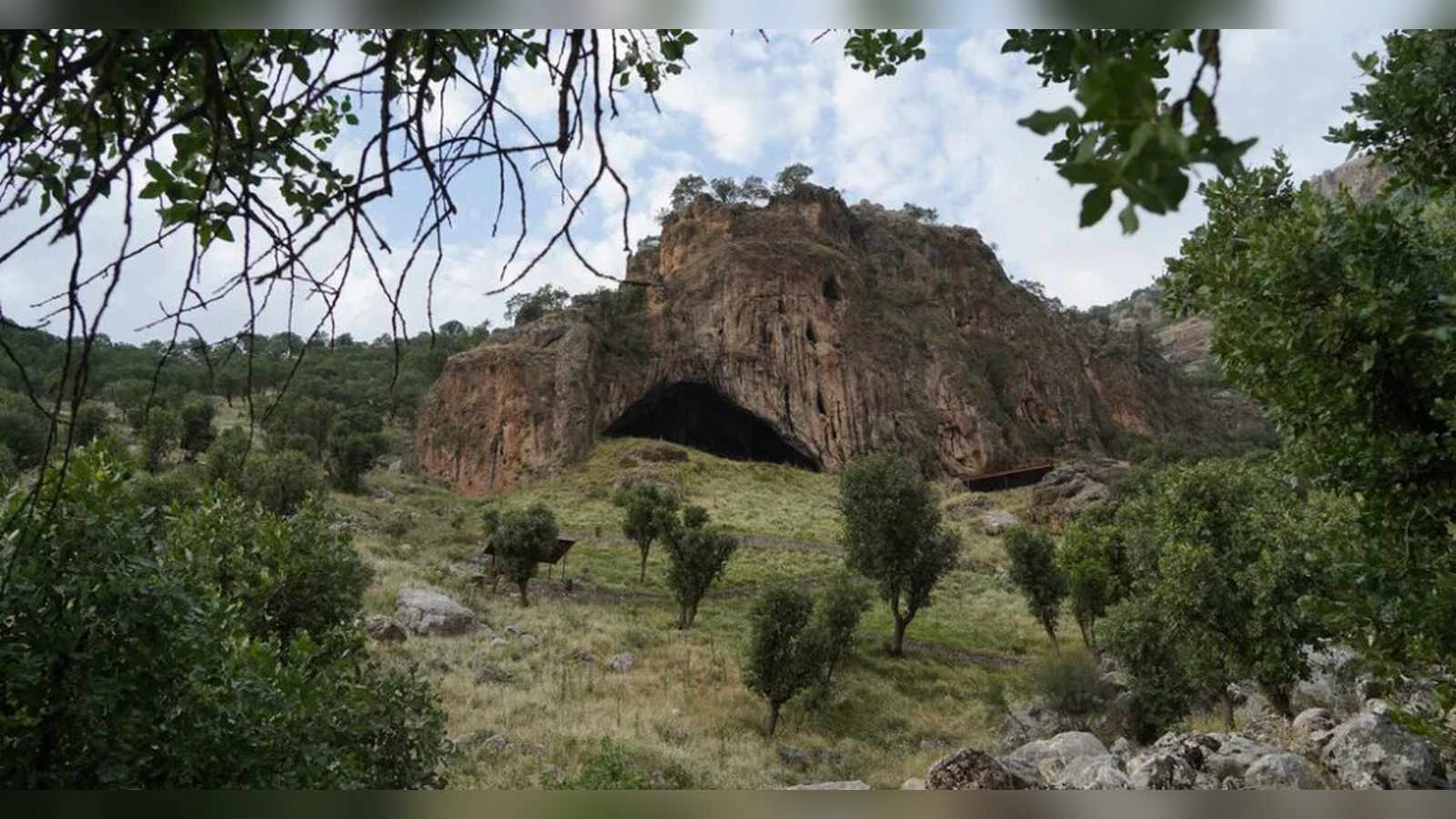
In contrast to the domestic craftsmanship found in Spain, a separate discovery in Shanidar Cave in Iraqi Kurdistan presents evidence of Paleolithic interpersonal violence. A 75,000-year-old partial Neanderthal skeleton displays a clean, half-inch circular puncture through the left shoulder blade, which researchers identify as the earliest known victim of death by a wooden spear.
Emma Pomeroy, an osteologist and paleoanthropologist at Cambridge and lead author of a study published in Scientific Reports, suggested the wound was inflicted at close range with a thrusting spear. The individual, who died around age 45, also displayed healed facial fractures from an injury sustained a year earlier, which researchers interpret as a testament to clan support and social care in weathering debilitating trauma.
Scientific Debate Over Skeletal Trauma
Interpretation of the Shanidar specimen has met with caution among some researchers. Archaeologist Rebecca Wragg Sykes of Cambridge noted that while the skeletal damage analysis is thorough, distinguishing whether the fatal spear wound resulted from intentional violence or an accidental hunting encounter remains challenging.
Other experts point out that shifting sediment and tumbling rocks can sometimes mimic weapon strikes on brittle bone. However, Dr. Pomeroy countered that the round geometry of the hole distinguishes it from asymmetrical animal horns or antlers, keeping the debate over prehistoric homicide open among paleoanthropologists.