


Navigating a Strategic Front Office Overhaul
Following a first-round playoff exit, the Indiana Fever is entering a critical offseason of leadership restructuring. As reported in late 2026, the organization is currently vetting three candidates for the role of head of basketball operations: Boston Celtics vice president Allison Feaster, Sacramento Kings executive Phil Jabour, and former Dallas Mavericks assistant general manager Matt Riccardi, as noted by Heavy. This search follows the departures of former team president Kelly Krauskopf and general manager Amber Cox on October 23, 2026. The shift represents a consolidation of power, with the franchise moving toward a single executive model to oversee all basketball operations rather than separating the roles of president and general manager. The incoming executive faces an immediate, high-stakes portfolio that goes far beyond simple coaching staff evaluations or the retention of major unrestricted free agents like Kelsey Mitchell and Sophie Cunningham.
The Balancing Act: Extension vs. Flexibility
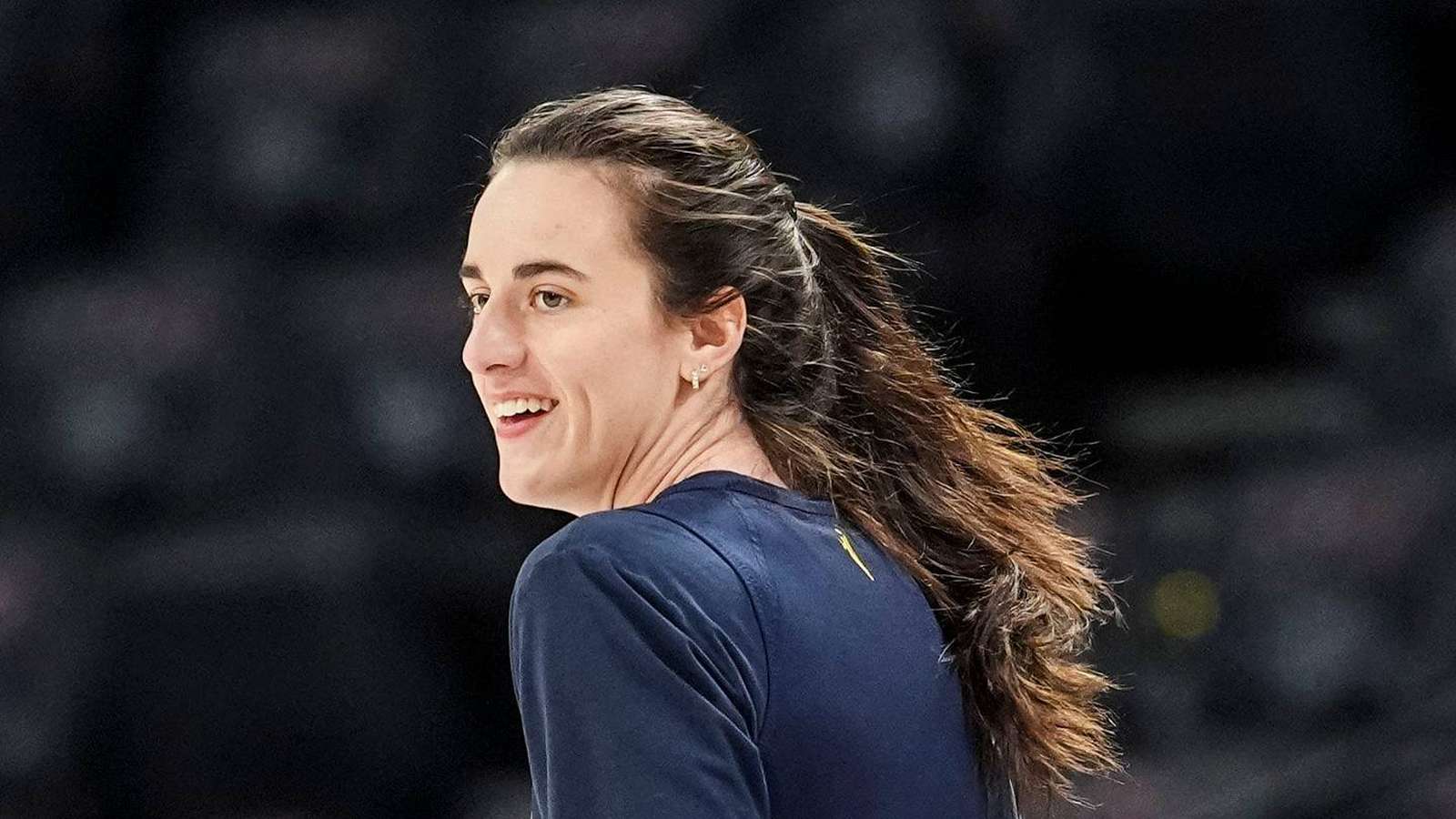
Central to the organization’s long-term viability is the contract status of WNBA superstar Caitlin Clark. While Clark is under contract through 2027, she is currently eligible for an extension, a move that provides the team with a significant strategic pivot point for roster construction. The primary challenge for the next general manager is to design a salary cap strategy that secures Clark’s long-term commitment while maintaining the ability to acquire elite talent. Clark has publicly signaled her willingness to prioritize team competitiveness in contract discussions. During her exit interview, she stated that her primary goal is to ensure the franchise has the resources to build a championship-caliber roster, noting, “I’m gonna be here. I just want to do what’s best for the team and make sure we have the opportunity to win championships,” as reported in Sports Illustrated.
This potential financial flexibility is a critical asset. If the new GM can secure an extension that balances market value with roster needs, the team could have the stability required to address glaring weaknesses. Clark has been explicit regarding these needs, particularly after the team’s defensive vulnerabilities were exposed during their playoff loss to the Las Vegas Aces. Speaking on the “New Heights” podcast, Clark identified perimeter defense, bench depth, and additional floor-spacing shooters as essential requirements for the roster, highlighting that offensive output alone is insufficient for postseason advancement. The incoming GM must weigh the immediate gratification of a max-deal extension against the long-term goal of building a balanced roster that can withstand the rigors of the WNBA playoffs.
Operational Stakes and Future Retention
While the prospect of restricted free agency or the use of the “core” designation provides the Fever with leverage in future years, locking in Clark now is seen as essential for organizational continuity. Management must avoid a scenario where the league’s most visible talent feels pressured to test the market due to a lack of competitive support. With Aliyah Boston already signed to a long-term deal, the new general manager has a foundational pillar to work with, but the successful integration of defensive upgrades remains the most pressing hurdle. The Fever’s defensive rating, which ranked ninth in the league during the 2026 season, serves as a stark reminder that even a record-setting offense must be supported by reliable perimeter defense to reach the championship tier.
The transition to a single executive overseeing all basketball operations marks a significant evolution in organizational structure, aiming to streamline decision-making during a period of rapid WNBA expansion. Whether that leader chooses to prioritize immediate cap space by staggering contract negotiations or opts for an early, comprehensive extension for the face of the league will define the Fever’s trajectory for the next several seasons. The pressure to get this right is compounded by the urgency of WNBA expansion and the evolving demands of five-out offensive systems, necessitating a rapid, clear-eyed evaluation of the existing rotation. Every personnel decision, from free agency targets like Stephanie Talbot or Rebekah Gardner to the handling of the Clark extension, will be measured against the backdrop of the franchise’s need to transform its 28-win momentum into a genuine championship window. The incoming GM must prove they can navigate these complex financial constraints while keeping the team’s stars fully aligned with the long-term vision for the organization.