


Aviation Resumes Following Volcanic Disruption
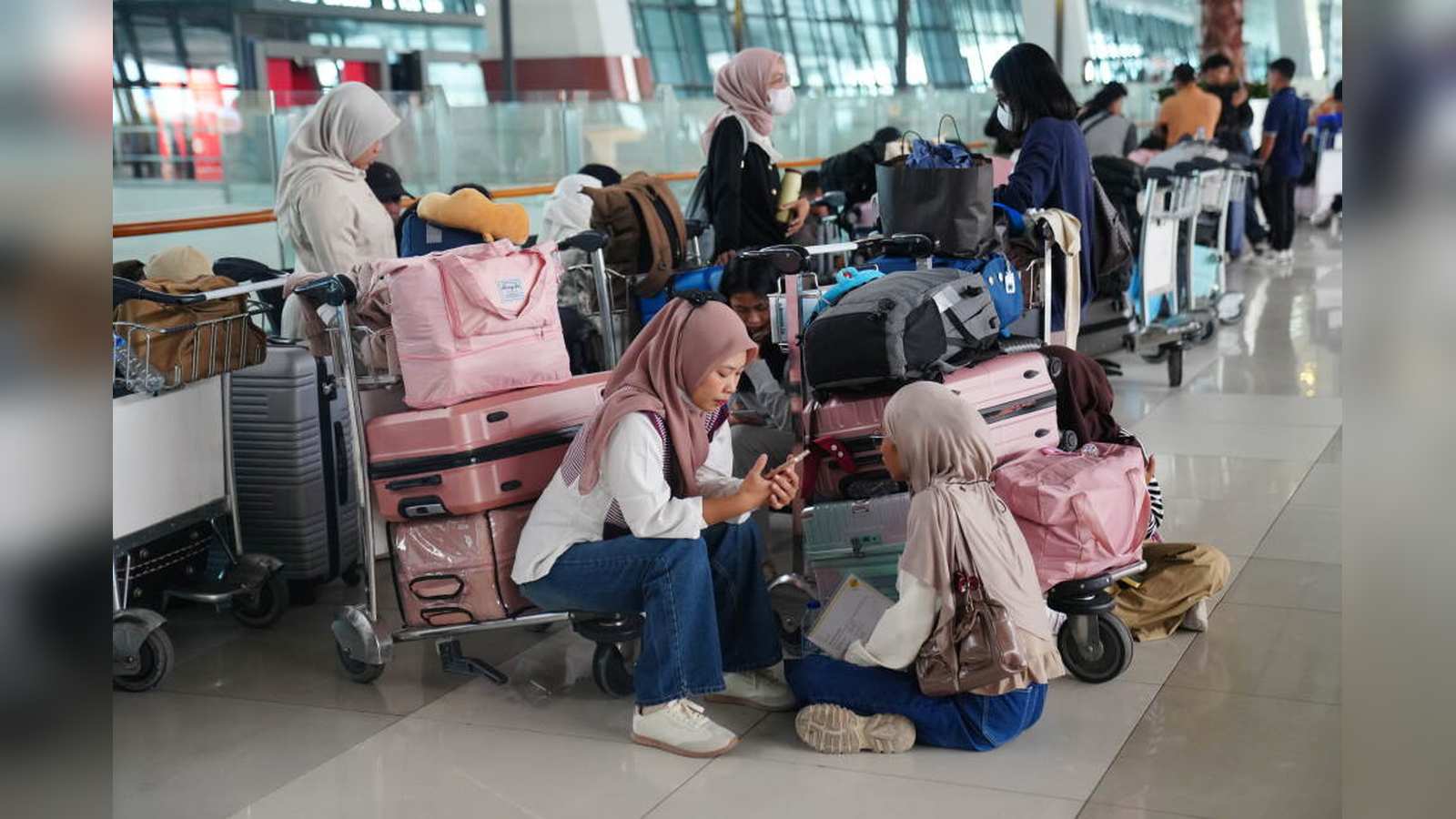
Indonesian aviation authorities reopened Jakarta’s Soekarno-Hatta International Airport and four regional hubs early Tuesday, ending a 48-hour suspension of flights caused by heavy volcanic ash from Mount Anak Krakatau. The closure, which began Sunday morning, disrupted nearly 3,000 flights and left approximately 341,000 passengers stranded across the archipelago, according to AP News.
Transport Minister Dudy Purwagandhi confirmed that operations resumed after meteorological tests indicated that ash levels had receded to safe thresholds. However, authorities have mandated rigorous airworthiness inspections for 178 aircraft that were grounded during the event. Pilots have been instructed to remain vigilant for potential shifts in wind direction that could reintroduce ash into flight paths, as the volcano remains seismically active.
Economic and Logistical Fallout
The sudden disruption has placed significant strain on the Indonesian aviation sector. Bayu Sutanto. Bayu Sutanto, Secretary General of the Indonesia National Air Carriers Association (INACA), told Reuters that airlines face mounting costs from route diversions, extended aircraft parking, and crew scheduling challenges. The industry estimates losses could reach 19 billion rupiah ($1 million) per day during such periods of instability, exacerbated by the domino effect of grounded planes delaying subsequent scheduled flights.
For passengers, the reopening brings relief but lingering uncertainty. Many travelers, such as those attempting to reach international destinations, face rescheduled flights stretching into mid-week. In response to the ongoing risk, the Indonesian government has authorized schools in affected provinces to shift to remote learning to minimize student exposure to lingering particulate matter.
Geological Context and Monitoring
Anak Krakatau, situated in the Sunda Strait between Java and Sumatra, remains at the country’s second-highest alert level. While the intense lava fountains observed over the weekend have subsided, the BBC reports that the geological agency continues to warn of a high probability of further eruptions. The volcano, which emerged in the early 20th century, remains a focal point for disaster mitigation efforts due to its history of sudden activity and the potential for secondary hazards, such as underwater landslides.
Despite the current resumption of travel, the volatility of the Pacific Ring of Fire ensures that aviation authorities will maintain a 3km exclusion zone around the crater. Officials continue to conduct atmospheric monitoring every 30 minutes to manage the safety of the airspace as the situation evolves.