


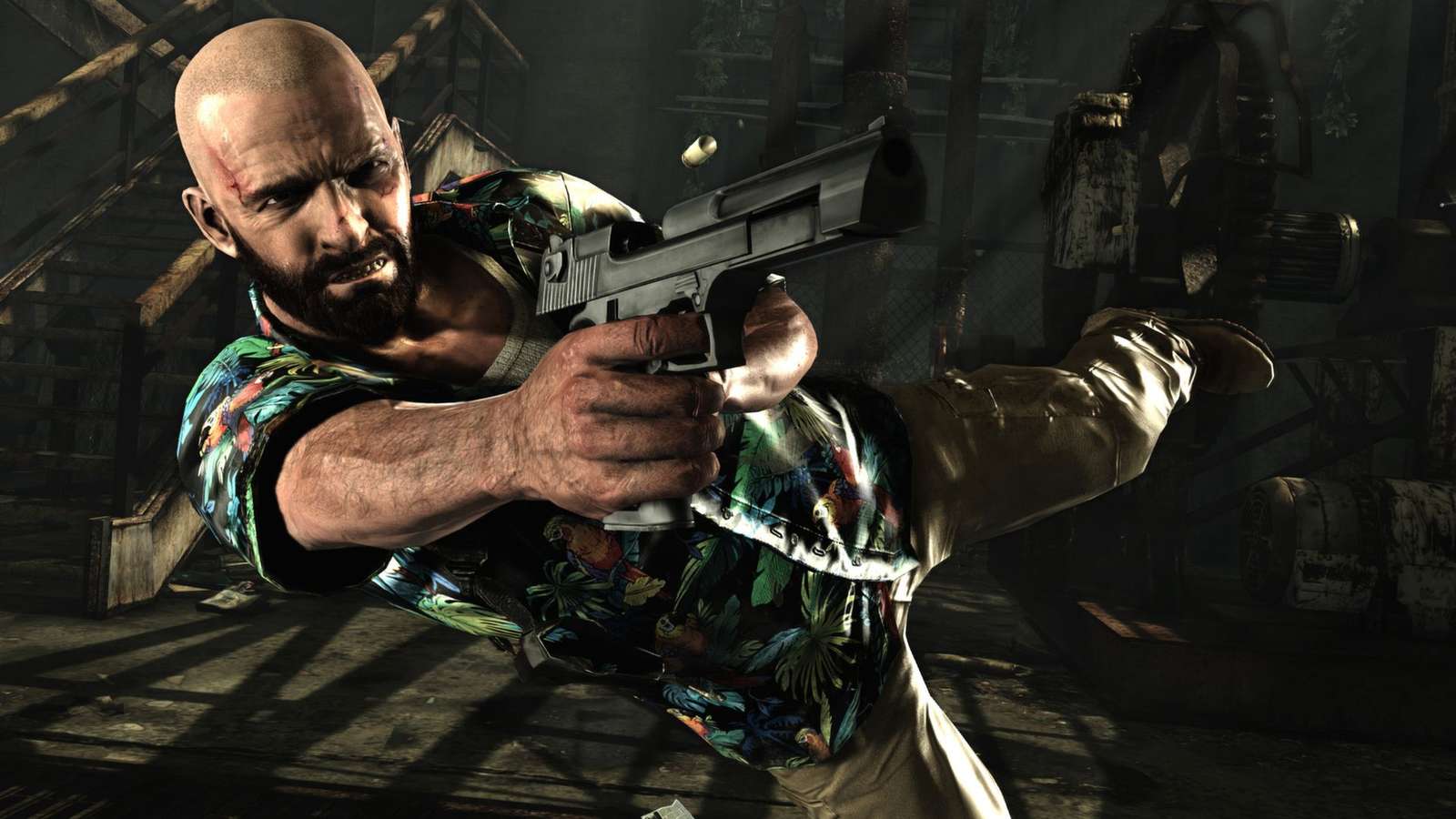
Former Rockstar Games Vice President and writer Dan Houser has offered a remarkably candid self-assessment of Max Payne 3, conceding that his creative and directional choices for the 2012 shooter missed the mark and ultimately contributed to the project’s commercial underperformance. Speaking during an interview with IGN, Houser addressed the studio’s high-profile pivot from Remedy Entertainment’s iconic, rain-soaked New York atmosphere to a sun-drenched, high-octane narrative set in Brazil. While critics praised the game’s mechanical polish and technical execution upon release, Houser stated that the broader consensus among players rejected the tonal shift, leading him to label his personal contribution and the game’s reception a failure.
A Linear Experiment and the Departure from Remedy’s Noir
Unlike Rockstar’s massive open-world flagships such as Grand Theft Auto and Red Dead Redemption, Max Payne 3 required a tightly controlled, linear structure. Houser explained that the development team deliberately pursued a cinematic style reminiscent of a 12-hour feature film, incorporating seamless transitions without traditional loading screens and stylized visual effects featuring on-screen text. According to GamingBolt, Houser enjoyed the structured writing process and believed the studio was forging a compelling digital noir experience.
However, that design philosophy collided directly with player expectations built by Remedy Entertainment through the first two installments. Original creator Sam Lake’s distinctive introspective writing, melancholic tone, and claustrophobic atmosphere defined the franchise’s identity. By moving the aging, pill-addicted protagonist to São Paulo to protect the Branco family, Rockstar replaced quiet psychological dread with intense favela shootouts and a colorful action palette.
Weighing Personal Accountability and Commercial Realities
Reflecting on the final product, Houser shouldered the blame for the title failing to achieve the commercial heights expected of a major Rockstar release. He noted that players fundamentally missed Sam Lake’s signature narrative style, acknowledging that the studio misread the audience’s appetite for reinvention. As iXBT Games reported, Houser emphasized that despite the game’s technical polish and critical praise, its market trajectory fell short due to the stark divergence from its roots, compounded by stiff release-window competition from titles like Diablo 3.
Max Payne and its immediate successor, Max Payne 2: The Fall of Max Payne, established Finnish developer Remedy Entertainment as a major industry force through their genre-defining third-person mechanics and murky, atmospheric storytelling. When Rockstar acquired the intellectual property and took over development for the third installment, the studio applied its considerable technical prowess to modernize the franchise. Released in 2012 for PC, PlayStation 3, and Xbox 360, the game incorporated advanced physics, fluid shooting mechanics, and the signature bullet-time feature that fans of the series had come to expect.
Yet, the shift in locale from the gloomy alleys of New York City to the sun-soaked favelas of Brazil fundamentally altered the psychological landscape of the protagonist. Eight years after the events of the second game, Max finds himself working as a private security contractor for the wealthy Branco family in São Paulo. The narrative escalates rapidly when local gang members target the family, kidnapping Rodrigo Branco’s wife, Fabiana, and forcing Max into a violent campaign across the city’s slums. While the action sequences were praised for their intensity and visual fidelity, the narrative distance from the original psychological burden alienated segments of the core audience who preferred the intimate, noir-drenched melancholy of the earlier titles.
Houser’s recent reflections highlight the rare vulnerability of a senior industry executive evaluating a legacy project decades after its deployment. Rather than blaming market conditions exclusively, he placed accountability directly on the narrative decisions and structural risks taken by the development team. He noted that while internal confidence was high during production, the external reception signaled a clear misalignment with player desires. The acknowledgment underscores the persistent tension between studio innovation and established franchise identity, particularly when beloved intellectual properties transition between distinct creative teams with divergent artistic visions.