

Quick Read
- Three unidentified women found dead in Puerto Vallarta in May 2026.
- Bodies discovered in separate locations on city outskirts.
- Authorities investigating potential links to a serial offender.
- High stakes for local tourism and U.S. travel advisories.
Escalating Security Concerns in Jalisco
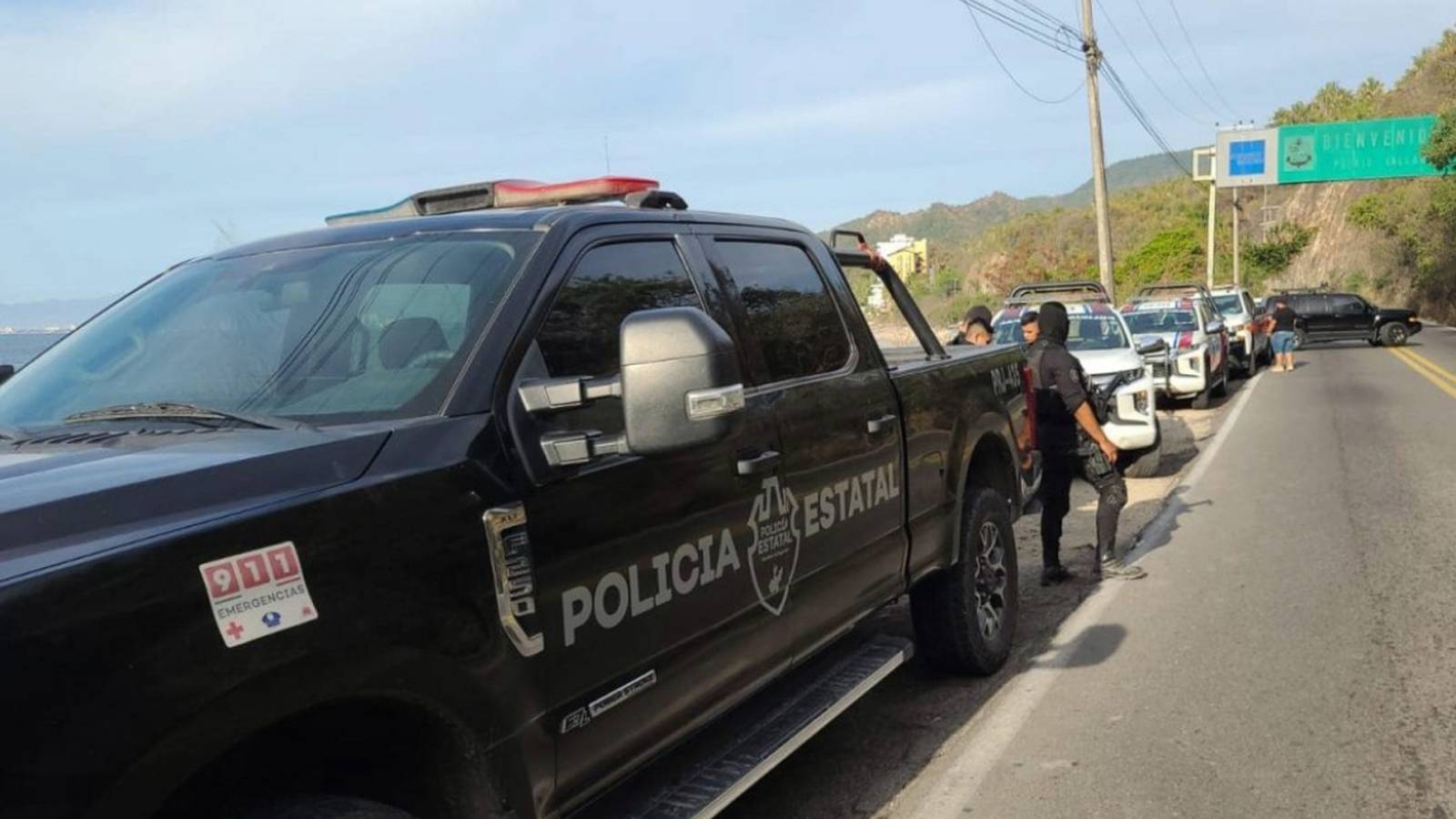
Local authorities in Puerto Vallarta, a primary destination for international tourism in the Mexican state of Jalisco, have launched an intensive investigation following the discovery of three unidentified women found dead in separate locations on the city’s outskirts throughout May 2026. The victims, estimated to be between 30 and 35 years old, were discovered in staggered intervals beginning May 10, with the most recent recovery occurring last week. The pattern of these discoveries has prompted law enforcement to evaluate the possibility of a serial offender or a coordinated criminal effort affecting the region.
Forensic Evidence and Investigative Challenges
Preliminary reports indicate that the victims were found in a partially undressed state, a detail that has led investigators to search for commonalities in the forensic evidence. As of this week, no relatives or associates have come forward to claim the bodies, leading investigators to hypothesize that the victims may have been killed elsewhere and subsequently transported to the outskirts of Puerto Vallarta to avoid immediate detection. The geographic dispersal of the sites—all situated away from primary residential and tourist-heavy corridors—suggests a level of premeditation that local police are struggling to reconcile with the city’s current security landscape.
The Economic Stakes for Tourism
Puerto Vallarta remains a critical economic engine for the state of Jalisco, attracting approximately 1.7 million visitors annually, with a significant majority hailing from the United States. While the region had experienced a period of relative stabilization following the volatile outbreaks linked to cartel activity in recent years, this series of deaths threatens to destabilize local tourism. The U.S. State Department’s history of issuing travel advisories for the Jalisco region—specifically during periods of cartel-related unrest—makes the current investigation a matter of acute national interest for both Mexican authorities and international stakeholders.
Geopolitical Context and Public Safety
The historical backdrop of the Jalisco New Generation Cartel (CJNG) and the power vacuums created by the death of leadership figures like Nemesio Rubén Oseguera Cervantes have historically rendered the region susceptible to spikes in violence. Although current reports do not explicitly link these specific deaths to organized crime, the proximity of these incidents to established high-risk zones necessitates a cautious approach. Security analysts are monitoring whether these events will trigger a revision of current travel advisories, which could have a cascading effect on the local hospitality industry and the broader economic stability of the Pacific coast region.
The convergence of these events in a high-profile tourist destination necessitates a transparent and rapid investigative response from local and federal Mexican authorities. Given the potential for these deaths to be the work of a repeat offender, the failure to identify the victims and secure the outskirts of the city risks inviting further instability. The international community, particularly the U.S. State Department, will likely maintain a heightened state of surveillance over the region until a definitive link is established or the investigation concludes, as the intersection of organized crime narratives and unexplained violence remains a volatile variable in Mexico’s ongoing efforts to secure its major tourist hubs.