


Escalation in the Persian Gulf
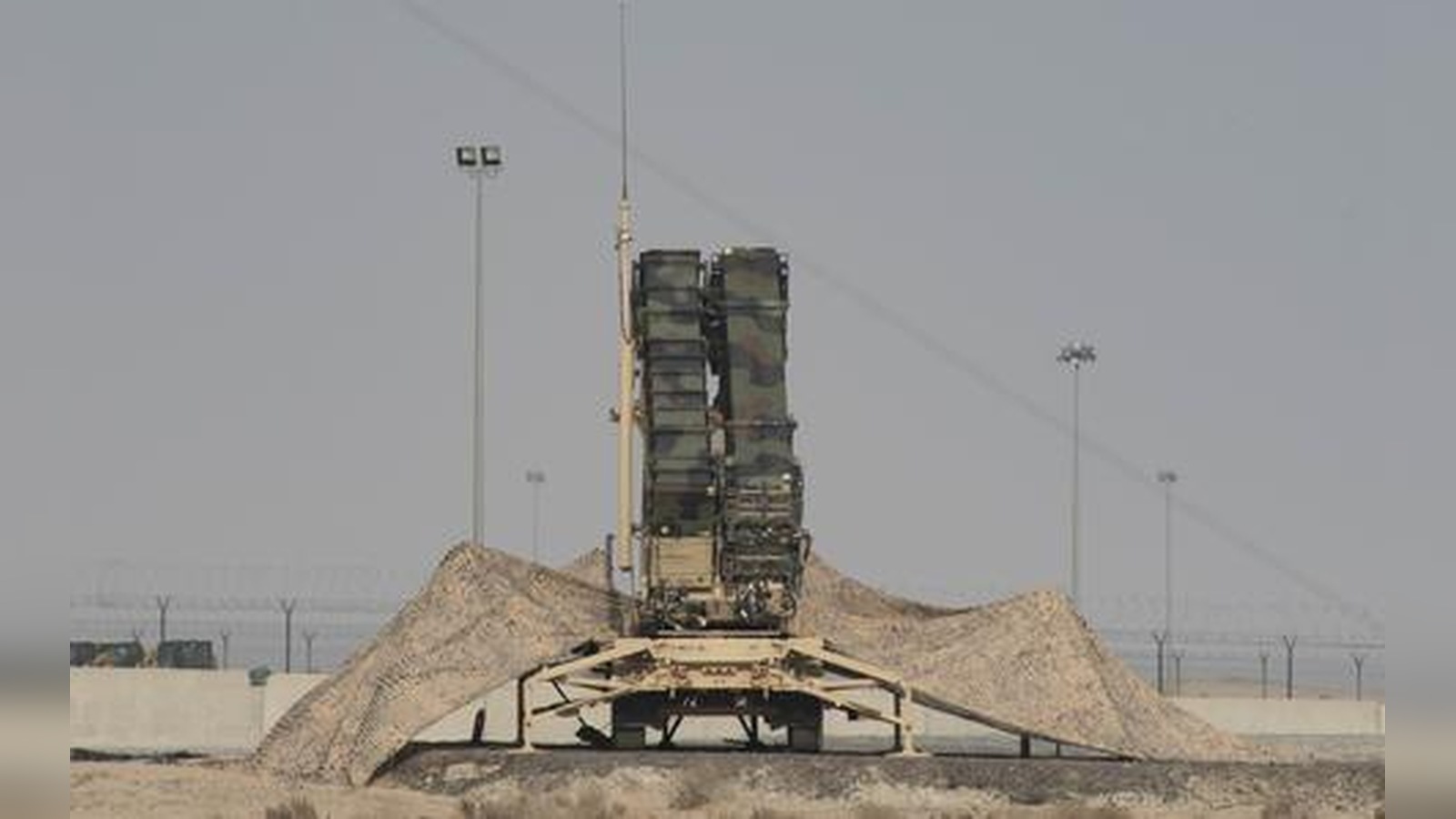
Iran expanded its military campaign in the Persian Gulf on Wednesday, November 18, 2026, by launching a series of drone and missile attacks targeting the Ali Al Salem air base in Kuwait. The strikes, which also hit multiple sites in Bahrain, mark a significant broadening of the conflict beyond the previous focus on maritime assets and facilities within the island kingdom. This development follows a U.S. airstrike on Tuesday, November 17, which targeted a Revolutionary Guard missile launch site on Qeshm Island in the Strait of Hormuz, according to reporting by CTV News.
The latest military actions represent a shift in the ongoing tit-for-tat exchanges that have characterized the regional conflict for nearly nine months. For the past two months, Iran had largely refrained from direct strikes on U.S. air assets in Kuwait, focusing instead on Bahrain, which hosts the U.S. Navy’s 5th Fleet. The U.S. military did not immediately provide a formal assessment of the damage caused by the Wednesday morning attacks, though officials noted that the regional situation remains volatile.
Strategic Context and Regional Stakes
The intensification of hostilities complicates stalled diplomatic efforts mediated by Qatar, which aim to de-escalate the naval blockade and restore stability to shipping routes in the Strait of Hormuz. Analysts suggest that Tehran’s decision to strike Kuwaiti soil—a departure from its recent pattern of targeting Bahrain and maritime traffic—indicates a potential change in its regional tactical approach. According to CTV News, Danny Citrinowicz, a former Israeli intelligence specialist, described the current Iranian strategy as one of “deliberate, calibrated escalation,” aimed at increasing the economic and military costs for the United States without necessarily triggering an all-out war.
The economic impact of the blockade continues to weigh heavily on the region. On Wednesday, ADNOC, the state-owned oil company of the United Arab Emirates, reported that one of its tanker crew members was missing following an attack in the Strait of Hormuz on Tuesday. Eleven other crew members sustained injuries. These incidents highlight the precarious nature of maritime transit, even as U.S. military escorts attempt to maintain the flow of energy supplies.
Military and Political Dilemmas
Washington currently faces a complex dilemma regarding its next steps. While President Donald Trump has publicly suggested that further retaliatory strikes are unlikely, the administration has concurrently deployed a third aircraft carrier and thousands of additional troops to the region as a deterrent. Analysts point out that a limited response risks signaling weakness, potentially emboldening further Iranian incursions, whereas a more robust military intervention could accelerate the very escalation that the U.S. seeks to contain.
Hamidreza Azizi of the International Crisis Group noted that the rapid accumulation of military incidents across multiple fronts increases the likelihood of miscalculation. The risk is that even if neither party desires a broader regional war, the frequency of these engagements leaves little room for error. As the conflict enters this new phase, the focus remains on whether the current U.S. deterrent posture will suffice to stabilize the region or if further military expansion by Tehran will necessitate a strategic reassessment in Washington.