


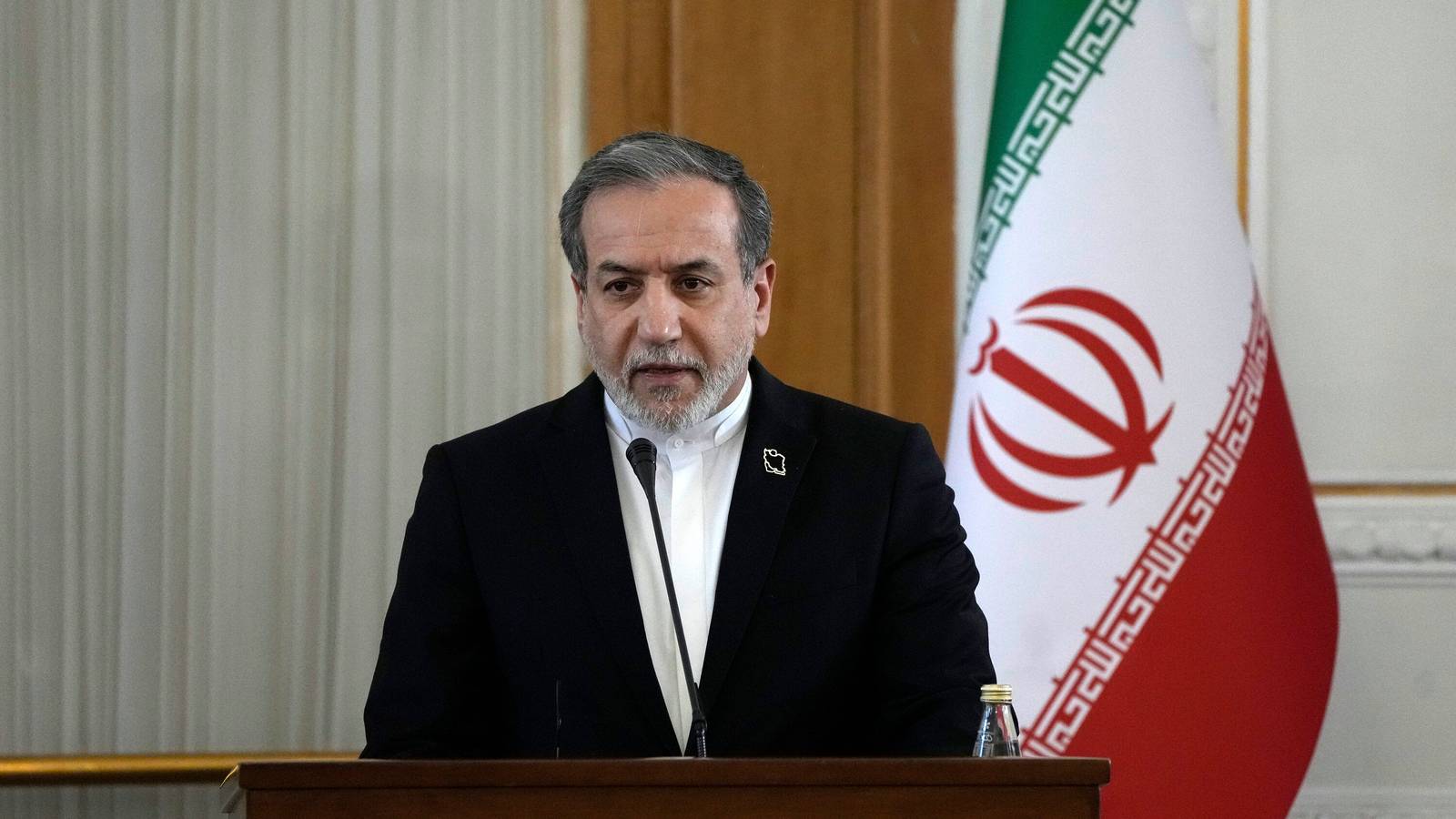
WASHINGTON (Azat TV) – Iranian Foreign Minister Abbas Araghchi stated on Sunday that his country remains fully prepared for a doomsday war with the United States while simultaneously keeping indirect diplomatic channels open to prevent missing any chance for peace. Speaking on NBC News’ “Meet the Press” following the United Nations General Assembly, Araghchi outlined a precarious duality in Tehran’s current foreign policy stance, balancing severe military readiness with a persistent push for mediated negotiation. The ongoing U.S.-Iran conflict, which escalated sharply on February 28, has severely disrupted global energy markets through restrictions in the Strait of Hormuz, driving up international oil prices and intensifying inflationary pressures worldwide.
Diplomatic Deadlock and the Hormuz Strait Conditions
Araghchi revealed that Tehran had recently proposed a framework to reopen the critical Strait of Hormuz and resume nuclear talks within seven days, contingent upon specific American concessions. According to reports from The Wall Street Journal and CNBC, U.S. President Donald Trump rejected the proposal, characterizing it through U.N. Ambassador Michael Waltz as a cynical maneuver designed to put forward terms known to be unacceptable. Tehran’s core conditions include a permanent halt to what officials describe as U.S. acts of aggression, the lifting of naval blockades and economic sanctions, and the release of frozen Iranian assets. Araghchi noted that while intermediaries have transmitted these terms, Washington has yet to provide a formal counter-response through official diplomatic channels.
Military Posture and Regional Escalation
Alongside ongoing diplomatic signaling, Iranian military leadership has reiterated its readiness to continue hostilities if talks fail completely. The Islamic Revolutionary Guard Corps announced the capture of an autonomous U.S. underwater drone, underscoring persistent maritime friction in the Persian Gulf. Meanwhile, senior military officials such as army commander-in-chief Amir Hatami emphasized that the nation’s defensive apparatus remains on high alert. NBC News reported that despite U.S. warnings of renewed bombing campaigns following the upcoming November midterm elections, Tehran maintains that its focus is fixed squarely on domestic strategic interests rather than American electoral timetables.
The Path Forward in U.S.-Iran Relations
The geopolitical deadlock demonstrates how deeply entrenched positions on both sides continue to obstruct meaningful resolution, leaving international energy corridors vulnerable to sudden escalations despite active backchannel communication.