


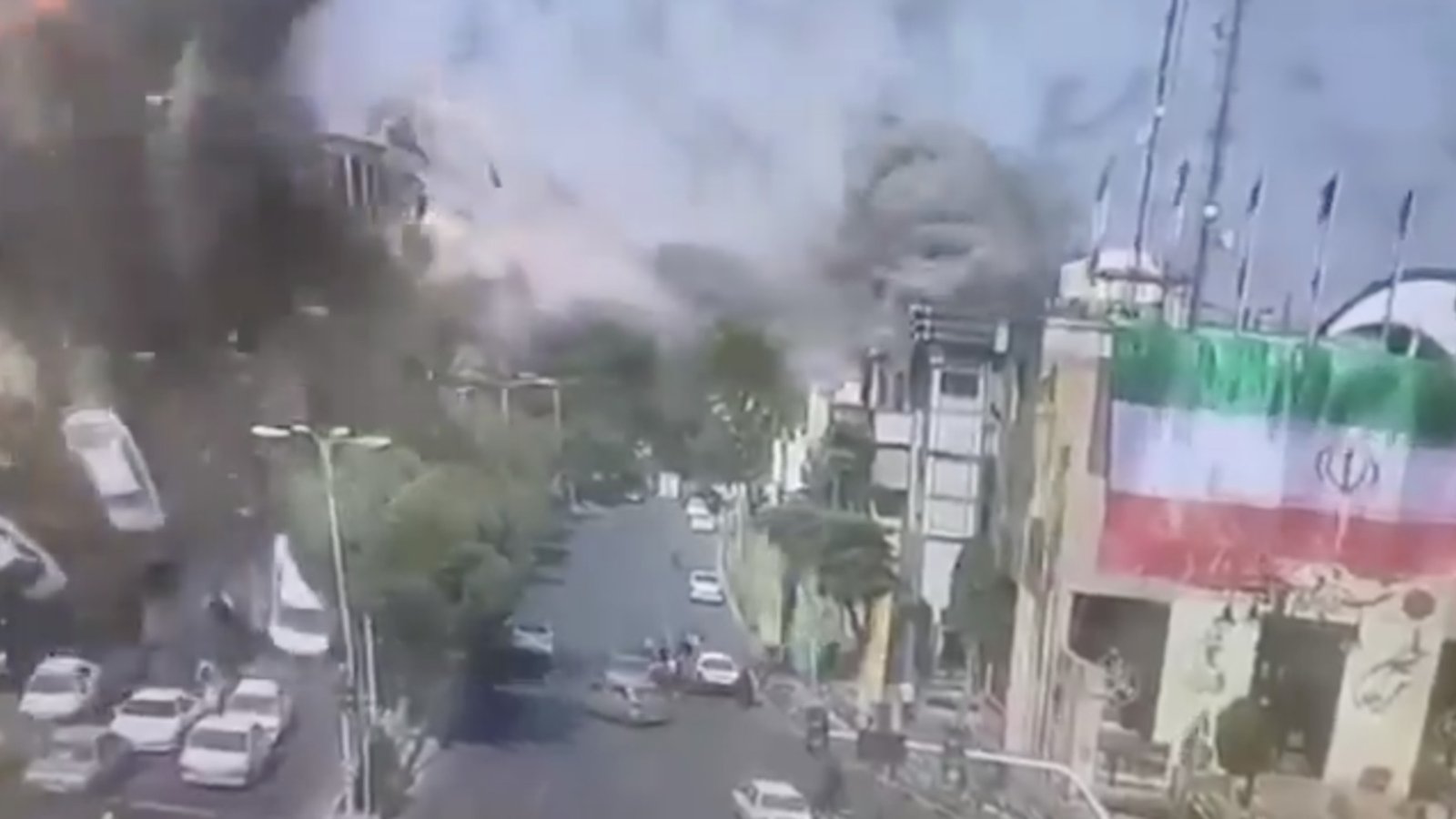
Iran’s nuclear program has once again taken center stage in global politics, following a series of dramatic developments involving military confrontations, uranium enrichment, and the potential resumption of U.S.-Iran diplomatic negotiations. The escalating tensions come in the aftermath of direct U.S. military strikes on Iranian nuclear facilities and a 12-day war between Iran and Israel, leading to international calls for renewed dialogue and de-escalation.
U.S. Airstrikes and Their Aftermath
The situation escalated significantly in June when the United States, under the directive of President Donald Trump, launched unprecedented airstrikes targeting Iran’s nuclear facilities, including the critical Fordo site. Utilizing GBU-57 bunker-buster bombs, these strikes inflicted substantial damage on Iran’s nuclear infrastructure. Iranian Deputy Foreign Minister Majid Takht-Ravanchi described the attacks as causing “serious damage” to the country’s nuclear program. The strikes also marked the first direct U.S. military action against Iran, further straining the already tense relations between the two nations.
In response, Iran launched missile strikes against U.S. military bases in Qatar and targeted Israeli cities, including Tel Aviv. While the Iranian strikes caused minimal casualties on American installations, the attacks on Israel resulted in 38 fatalities, according to Israeli officials. Iran, however, reported significantly higher casualties on its own soil due to Israeli strikes, claiming nearly 1,000 deaths, including 38 children. A fragile ceasefire, brokered by the U.S., has held since late June, though the atmosphere remains volatile.
Uranium Enrichment and International Concerns
Despite the military setbacks, Iran has steadfastly continued its uranium enrichment activities. According to Takht-Ravanchi, Iran has no intention of ceasing enrichment, asserting the nation’s right under the Nuclear Non-Proliferation Treaty (NPT) to develop nuclear energy for peaceful purposes. However, the enrichment of uranium to 60%, a level close to weapons-grade, has raised alarms among the International Atomic Energy Agency (IAEA) and other global watchdogs.
Speculation has also arisen regarding the whereabouts of Iran’s stockpile of highly enriched uranium. Following the U.S. airstrikes, IAEA chief Rafael Grossi suggested that some of the material might have been relocated, though Iranian officials have neither confirmed nor denied these claims. This uncertainty has further complicated the international community’s efforts to monitor and regulate Iran’s nuclear activities.
Diplomatic Prospects: Oslo Talks
Amid the heightened tensions, there are tentative signs of a diplomatic thaw. White House envoy Steve Witkoff is reportedly planning to meet Iranian Foreign Minister Abbas Araghchi in Oslo next week to discuss the resumption of nuclear talks. While neither side has officially confirmed the meeting, behind-the-scenes negotiations involving Omani and Qatari mediators have been ongoing since the end of the 12-day war.
The potential Oslo talks would mark the first direct dialogue between the U.S. and Iran since the recent military escalation. However, Iranian officials, including Takht-Ravanchi, have emphasized the need for assurances from the U.S. that military force will not be employed during negotiations. “We are for diplomacy and dialogue,” Takht-Ravanchi stated, but added that trust needs to be rebuilt following years of strained relations and the U.S.’s withdrawal from the 2015 Joint Comprehensive Plan of Action (JCPOA).
Regional and Global Implications
The ramifications of the U.S.-Iran tensions extend beyond the two nations, impacting regional stability and global security. Israel, which views Iran as an existential threat, has been a key player in the unfolding events, conducting its own strikes against Iranian targets. Meanwhile, neighboring countries like Oman and Qatar have taken on mediatory roles, seeking to prevent further escalation.
Internationally, the situation has reignited debates over the efficacy of military interventions versus diplomatic solutions in addressing nuclear proliferation. The U.N. and other global organizations continue to advocate for a peaceful resolution, urging both the U.S. and Iran to prioritize dialogue over confrontation.
The unfolding developments in Iran’s nuclear saga underscore the complexities of balancing national sovereignty, global security, and diplomatic engagement. As the world watches closely, the outcomes of the proposed Oslo talks could set the course for future relations between Iran and the international community.