


A Decisive Shift from the Bench
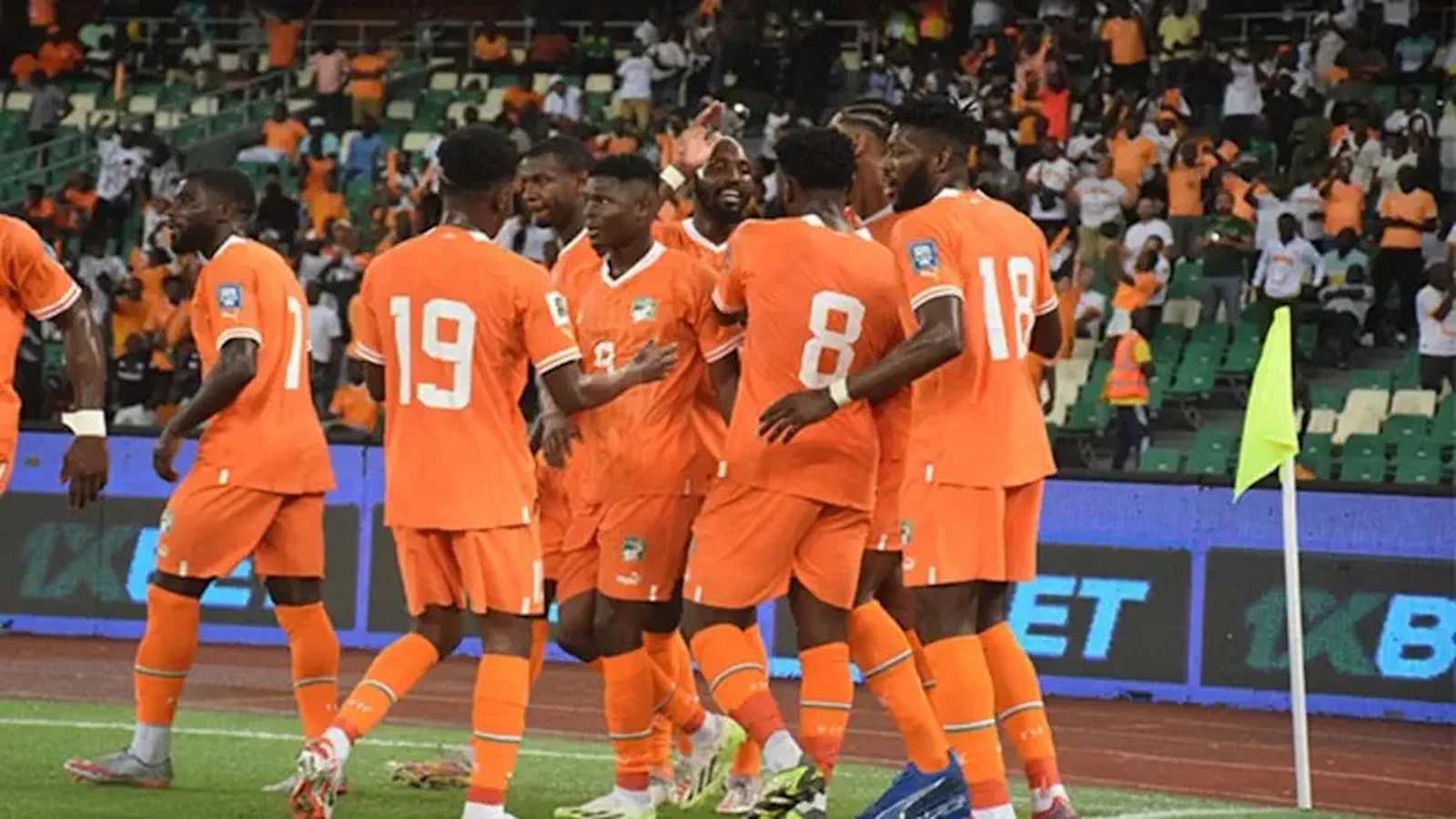
On November 20, 2026, the Ivory Coast U17 national team secured a hard-fought 2-1 victory over Uzbekistan in their opening match of the U17 World Cup in Doha. While the “Young Elephants” established early dominance with a 7th-minute goal from captain Hubert Yao, the match remained deadlocked for long stretches after Khakimov equalized for the Uzbek side early in the second half. The tactical intervention of head coach staff proved the difference, as substitutions made during the final stages of the match fundamentally altered the team’s offensive output.
As reported by Sport News Africa, the decisive moment arrived through two second-half substitutes. Salia Traoré, introduced to invigorate the attacking line, provided the crucial assist in the closing minutes, allowing Abass Diarrassouba to find the back of the net. This late goal solidified the win and provided the Ivorians with a vital three points to begin their tournament campaign. The reliance on depth demonstrates a clear tactical philosophy: preserving energy in the humid climate of Doha while maintaining a high-intensity press that can be refreshed in the final quarter of the match.
Group E Dynamics and the Italy Challenge
The result in Doha carries significant weight for the landscape of Group E. With the opening round of fixtures concluded, the victory places Ivory Coast in a strong position, though they currently trail Italy in the group standings. Italy began their tournament with a commanding 4-0 defeat of Jamaica, a result that puts the Europeans at the top of the table based on goal difference alone. Despite the disparity in the margin of victory, both teams enter their upcoming head-to-head meeting with an identical record of three points.
The match scheduled for Monday, November 23, 2026, now serves as the primary determinant for the top spot in Group E. For Ivory Coast, the ability to rely on bench depth—demonstrated by the success of Traoré and Diarrassouba—offers a tactical advantage that may be required against a structured Italian defense. The challenge for the coaching staff will be maintaining the momentum generated by the late comeback while addressing the defensive lapses that allowed Khakimov to equalize. Defensive discipline will be paramount against an Italian side that has shown clinical efficiency in front of the goal.
Tactically, the reliance on late-game substitutions suggests a strategy of wearing down opponents before introducing fresh legs to exploit fatigue. Against an Italian side that has already demonstrated clinical finishing against Jamaica, the Ivorians will likely need to balance this aggressive late-game approach with a more compact defensive structure. The outcome of the November 23 fixture will not only determine the group leader but also provide a clearer indicator of the technical ceiling for both squads in the knockout phase of the competition. Maintaining such a high level of performance across multiple high-stakes matches will require careful physical management of the entire squad.
Looking ahead, the success of the substitutes highlights the importance of squad rotation in a short-format tournament. With the physical demands of playing multiple matches in quick succession in the Doha climate, the ability of players like Traoré and Diarrassouba to impact the game immediately upon entry is a critical asset. As the tournament progresses, the depth of the Ivory Coast bench may prove to be their most significant advantage in navigating the challenges of the group stage and beyond. The team’s performance remains a testament to the importance of cohesive unit play, where the contributions from the bench are as vital as those from the starting eleven. Coaches often speak of the “full squad” mentality, and for the Ivory Coast, this is not merely rhetoric but a functional requirement for advancing in a tournament of this magnitude.
Furthermore, the psychological boost provided by a late-match winning goal cannot be underestimated. It reinforces the team’s belief in their tactical plan and the coach’s ability to read the game as it unfolds. When the Ivorians step onto the pitch on November 23, they will do so with the confidence that they can compete with the tournament favorites. Italy, for their part, will have analyzed the footage of the Ivory Coast-Uzbekistan match, specifically focusing on how to neutralize the impact of the “Young Elephants” late-game surges. The upcoming match is shaping up to be a classic encounter between the clinical, high-scoring Italians and the resilient, deep-bench Ivorians, representing a fascinating clash of styles within the context of the U17 World Cup.
Ultimately, the tournament remains a grueling test of endurance and tactical adaptability. Whether Ivory Coast can continue to utilize their substitutions to such devastating effect remains to be seen, but their start has been undeniably effective. The focus now turns entirely toward the November 23 showdown, which promises to be the defining moment of the opening week in Group E. As fans look on, the question remains: will the tactical depth that served the Ivory Coast so well against Uzbekistan be enough to overcome the formidable challenge posed by Italy? The answer will unfold on the pitch, in what is anticipated to be one of the most tactical and competitive matches of the group stage.