


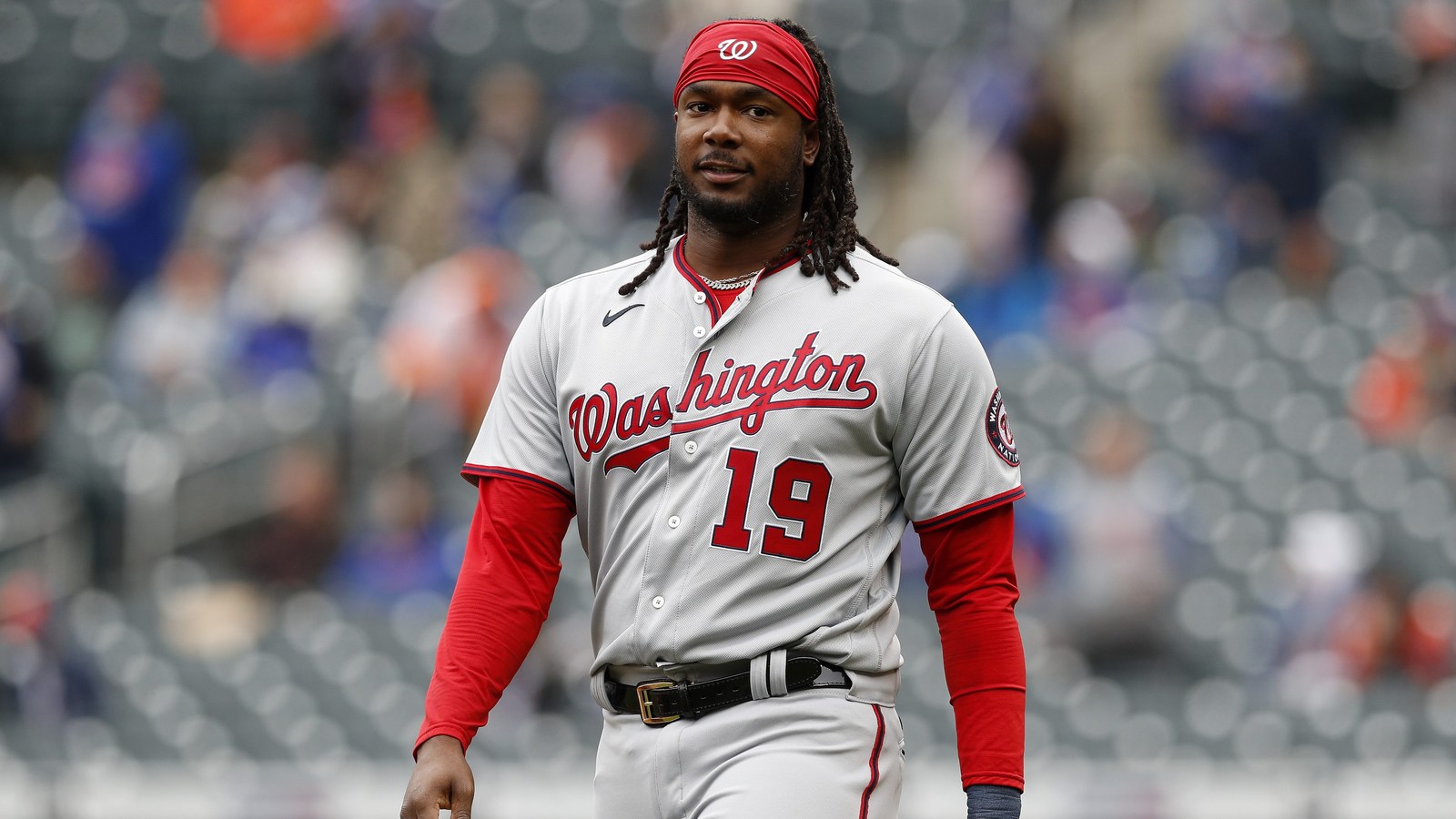
Josh Bell Signs One-Year Deal with the Twins: A Calculated Gamble for 2026
In the winter churn of baseball’s offseason, the Minnesota Twins made headlines by signing first baseman Josh Bell to a one-year contract. It’s a move built on hope and numbers—a low-risk bet that Bell’s promising underlying statistics in 2025 can finally translate into consistent on-field production in 2026. The signing was confirmed by multiple outlets, including CBSSports, MLBTradeRumors, and Star Tribune.
Bell’s Rollercoaster Career: Why Minnesota Wants a Rebound
Josh Bell’s journey in Major League Baseball has been anything but linear. Once heralded for his switch-hitting power, Bell has experienced seasons of explosive output followed by stretches of frustrating inconsistency. In 2025, though, analysts noticed something different. Bell posted a .358 xwOBA (expected weighted on-base average)—his best since 2021—along with a career-best strikeout rate over the past three years. But those improvements didn’t fully materialize in the box score until the second half of the season, when Bell slashed .267/.353/.489.
It was a tantalizing glimpse of what Bell could be: a middle-of-the-order threat capable of providing the kind of pop the Twins have lacked at first base. For Minnesota, whose offense sputtered at times last season, Bell’s upside is worth the gamble, especially on a short-term contract. The hope is that, with the right environment and coaching, Bell’s underlying metrics will translate into tangible results—home runs, RBIs, and a stabilizing presence in the lineup.
What Can the Twins Expect from Bell?
Bell’s 2025 performance was a study in delayed gratification. The improved strikeout rate and underlying power indicators hinted at a breakout, but only in the season’s second half did those gains become visible to the casual fan. If Bell can sustain that level across a full campaign, the Twins could see a significant upgrade at first base. However, fantasy experts and team insiders alike caution against expecting a superstar resurgence. Bell’s profile suggests solid, if unspectacular, power numbers—a late-round flier for fantasy leagues, but perhaps more importantly, a stabilizing force for a lineup that’s often relied too heavily on its young stars.
For the Twins, this is a bet on process over pedigree. The team’s front office is banking on Bell’s statistical improvements being real and repeatable, rather than a mirage. Minnesota’s ballpark, coaching staff, and supporting cast all factor into the equation. If Bell can recapture his 2021 form, the move could pay off handsomely. But if the inconsistencies resurface, the contract’s low cost limits the risk.
Bell’s Fit in Minnesota and the Fantasy Baseball Perspective
The Twins have struggled to find consistency at first base in recent years, cycling through a mix of veterans and prospects. Bell’s arrival offers both a fresh start and a potential answer to one of the team’s most persistent questions. His switch-hitting ability adds lineup flexibility, and his improved plate discipline could help lengthen Minnesota’s batting order.
From a fantasy baseball standpoint, Bell’s signing is more intriguing than game-changing. As Chris Towers of CBSSports notes, Bell is a viable late-round pick for managers seeking power upside without major risk. His underlying metrics in 2025 suggest that there’s more in the tank, even if the ceiling isn’t All-Star level. For the Twins, that’s enough to justify the investment.
The Wider Offseason Picture: Why Bell’s Signing Stands Out
The 2025-2026 offseason has been full of movement, with teams making calculated bets on veterans and reclamation projects. Bell’s deal fits that mold—short-term, low-cost, and predicated on statistical trends rather than past reputation. While some teams have splurged on marquee names, Minnesota’s strategy has been more pragmatic, looking for undervalued assets who could deliver outsized returns.
Bell’s signing also highlights a broader shift in how front offices evaluate talent. Gone are the days when only box score numbers mattered; now, advanced metrics, underlying trends, and projections are front and center. Minnesota’s willingness to trust those indicators—and to give Bell a platform to prove his value—reflects a modern approach to roster construction.
Challenges Ahead: Can Bell Deliver on Expectations?
Of course, optimism doesn’t guarantee results. Bell must prove he can maintain his improved discipline and power over a full season. The American League Central remains competitive, and Minnesota will need every edge to keep pace with rivals. Bell’s ability to adjust to a new city, a new coaching staff, and a new lineup spot will be closely watched.
Still, the structure of the deal makes it a sensible risk. If Bell struggles, the Twins can pivot without major financial repercussions. If he flourishes, both sides could look to extend the partnership—or Bell could parlay his resurgence into a longer-term contract elsewhere. It’s a scenario that keeps options open for player and team alike.
The Human Side: Bell’s Opportunity for Renewal
For Bell himself, Minnesota represents a chance to reset. After years of bouncing between teams and expectations, the Twins offer stability, purpose, and the possibility of rediscovering the joy in his game. It’s a reminder that, in baseball as in life, sometimes a change of scenery is all it takes to unlock hidden potential.
As the offseason progresses and spring training approaches, all eyes will be on Bell’s performance. Can he turn promising metrics into memorable moments? Will the Twins’ gamble pay off in wins and highlights? Only time will tell, but the stage is set for one of the more intriguing comeback stories of 2026.
Josh Bell’s signing with the Twins epitomizes the modern baseball philosophy: trust the numbers, take calculated risks, and hope that process wins out over pedigree. The move is not without risk, but it’s the kind of bet that smart teams make—one that could help Minnesota bridge the gap from contender to playoff threat if Bell’s underlying improvements become real-world results.