


Procedural Concerns and Due Process
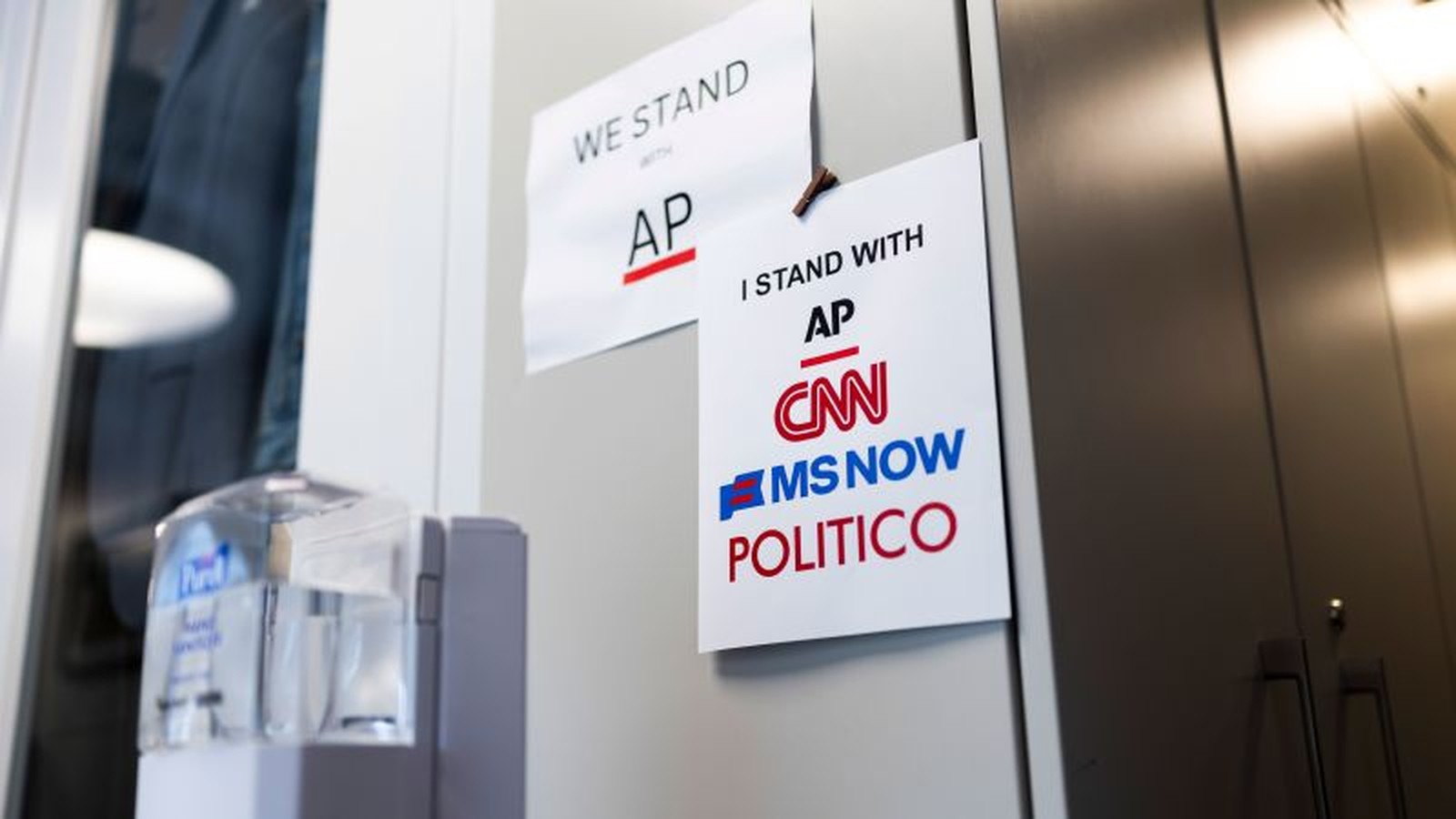
U.S. District Judge Timothy J. Kelly, an appointee of President Donald Trump, declined to issue an immediate ruling on Wednesday following an emergency hearing regarding the White House’s decision to revoke the press credentials of journalists from CNN, MS NOW, and Politico. The outlets filed a lawsuit seeking the immediate restoration of their access, arguing that the administration’s actions violate the First Amendment and lack the necessary due process.
At the outset of the hearing, Judge Kelly signaled significant concern regarding the administration’s procedural conduct. He noted that the White House did not provide journalists with appropriate due process before revoking their access, citing established judicial precedents that mandate notice and an opportunity to appeal before a suspension of credentials. “I just say to both sides that’s where I am,” Kelly stated, emphasizing that the due process claim must be resolved before addressing broader constitutional questions.
Testing the National Security Argument
A central tension in the hearing involved the administration’s attempt to characterize the ban as a national security necessity. Attorney Ted Boutrous, representing the media organizations, argued that the government’s reliance on national security concerns was an “after-the-fact” justification, noting that President Trump’s initial announcement of the ban focused on his personal disdain for the outlets. Boutrous contended that the administration only pivoted to national security arguments after the lawsuit was filed, describing it as a “light bulb” moment for the White House.
Judge Kelly actively tested the limits of these arguments, posing a hypothetical scenario to assess whether a president would have the authority to revoke access if a reporter were found to have “passed on classified information to a foreign enemy.” However, both the court and legal counsel acknowledged that the current situation differs significantly from such an extreme hypothetical. Boutrous pointed out that the Secret Service’s “hard pass” screening process is designed to identify physical threats, not to vet the content of journalistic reporting.
The Xi Jinping Visit and Next Steps
The Justice Department, represented by attorney Michael Velchik, urged the court to avoid restoring press passes at least until after Chinese President Xi Jinping’s visit to Washington, D.C., concluding later this week. The administration maintains that reporting by the named outlets has created national security risks, a position they argue is particularly sensitive during a high-level diplomatic visit. Velchik requested that the court defer to the president’s “personal determined judgment” regarding the security of the White House grounds.
As the hearing concluded, Judge Kelly did not provide a definitive timeline for his ruling but assured the parties he would “try to get an answer as soon as I can.” The outcome of this case remains a pivotal test of the balance between executive authority over security access and the constitutional protections afforded to the press in the United States.