


A Direct Return to the Public Square
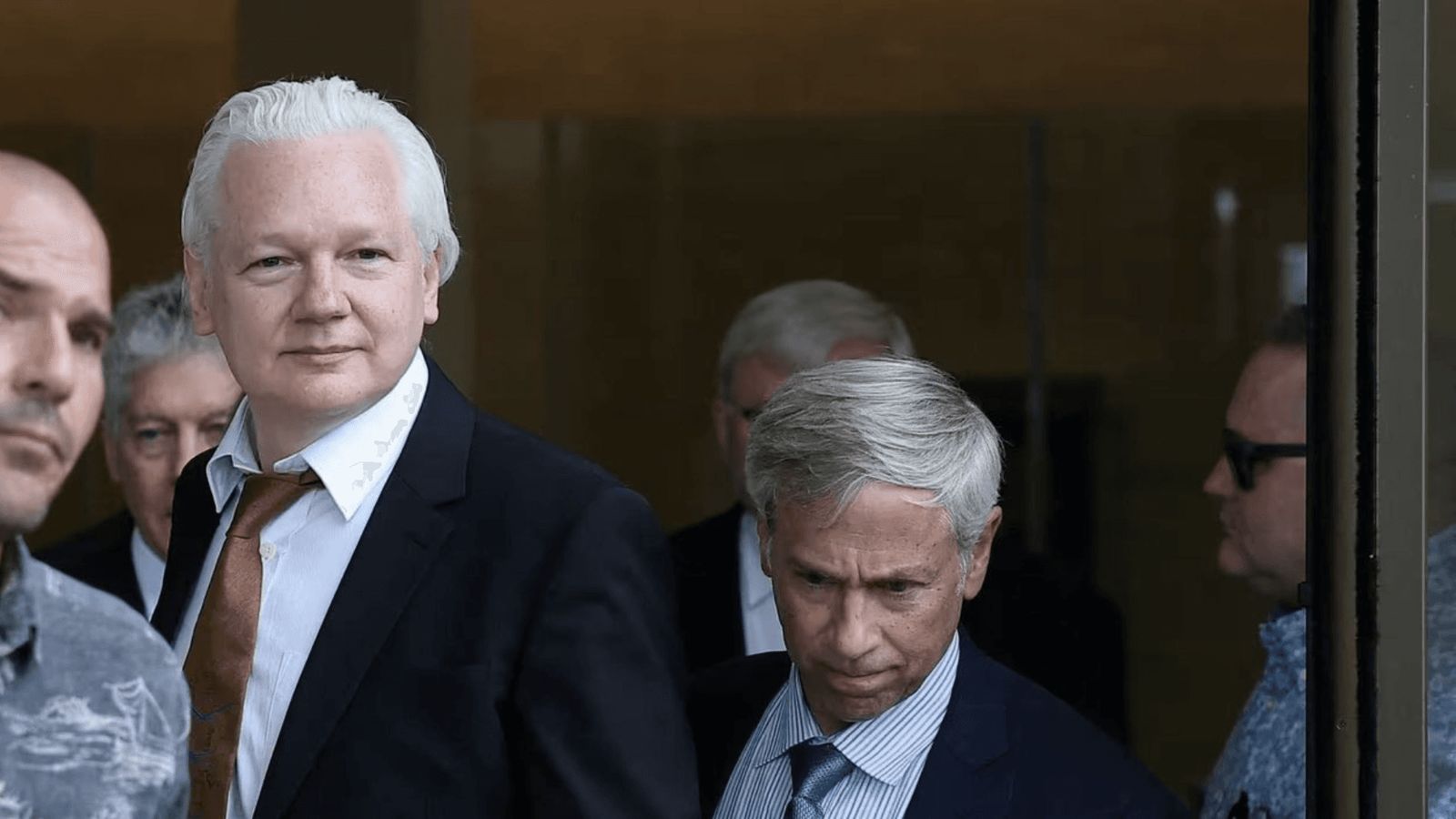
Julian Assange, the 55-year-old co-founder of WikiLeaks, has returned to the social media platform X, marking his first personal engagement on the site in eight years. Assange shared a photo of himself in Sydney, Australia, standing beneath a public poster featuring his own image, accompanied by the caption, “I’m back.” The post was shared via the official WikiLeaks account, which has served as the primary channel for his organization since 2018.
While some media reports characterized the move as a return following a two-year absence—referencing activity on his account since his 2024 release from prison—Assange himself clarified the timeline. He noted that his last personal post occurred in 2018, and that the account had been managed by his defense campaign, @DefendAssange, throughout the intervening years, according to Benzinga.
Legal Context and Post-Prison Life
Assange’s return to the digital sphere follows his release from London’s Belmarsh high-security prison in June 2024. His freedom was the result of a plea agreement with the U.S. Department of Justice, in which he pleaded guilty to one count of espionage. The 62-month sentence was credited as time already served, allowing him to return to Australia on June 26, 2024, as reported by the Hindustan Times. He has since resided in Australia with his family.
The legal case against Assange, which centered on the publication of classified U.S. military and diplomatic documents, effectively concluded with the 2024 deal. This brought an end to a protracted legal saga that saw him spend seven years in asylum at Ecuador’s London embassy before his 2019 arrest by British authorities.
Market Reactions and Historical Context
The announcement triggered immediate, though volatile, financial activity within the decentralized finance sector. The AssangeDAO (JUSTICE) token, originally created to fund his legal defense, saw a 743% price surge within 24 hours of the post. According to Yahoo Finance, daily turnover for the token jumped from under $800 to roughly $231,000 during the surge. Market analysts noted, however, that liquidity remains thin and the token continues to trade significantly below its February 2022 record highs.
This market movement mirrors the historical intersection between WikiLeaks and cryptocurrency. In 2010, following a banking blockade by major financial institutions, WikiLeaks began accepting Bitcoin donations, turning the organization into an early, high-profile case study for censorship-resistant financial technology.