


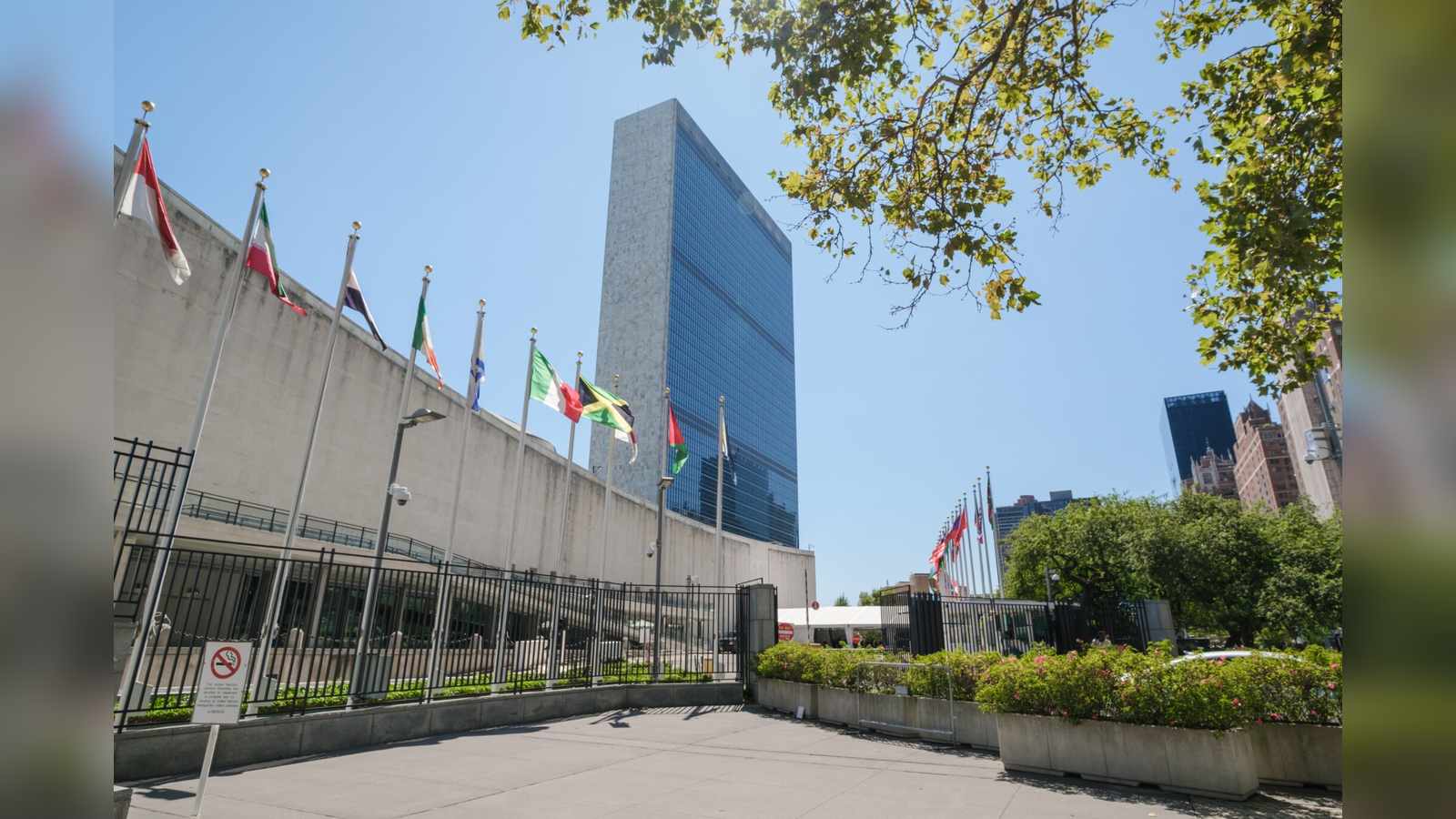
As high-level week begins at the 81st session of the United Nations General Assembly (UNGA 81), the world body faces an unprecedented convergence of crises. With an estimated 130 armed conflicts currently active, the organization is grappling with what outgoing Secretary-General Antonio Guterres has described as the threat of “imminent financial collapse,” according to FDD.
Security Dilemmas in the Middle East
The stabilization of Gaza remains a primary focus, anchored by UN Security Council Resolution 2803, which provides a framework for the International Stabilization Force (ISF) and the disarmament of Hamas. The core question for delegates is whether member states will provide the necessary troops and political capital to make this framework functional. Concurrently, the impending withdrawal of the United Nations Interim Force in Lebanon (UNIFIL) by the end of 2026 leaves the Lebanese Armed Forces as the sole entity responsible for enforcing Resolution 1701, testing Beirut’s resolve to curb Hezbollah’s influence.
UNRWA’s future is also under intense scrutiny. Despite a mandate renewal in late 2025, the agency faces a precarious financial outlook following the withdrawal of U.S. support and internal questions regarding its long-term necessity. The Board of Peace has signaled a desire to move beyond “perpetual aid dependency,” potentially shifting social service delivery to other international agencies.
Structural Reform and Geopolitical Tensions
The United States continues to exert significant pressure for a leaner, more accountable UN. Following a government-wide review, Washington has restricted funding to 31 UN entities, while the UN has responded with a 21 percent reduction in secretariat positions and broader administrative consolidation. Whether this “limited bargain” produces lasting structural reform or merely a diminished institution remains the central test for the current session.
Geopolitical friction is further evident in the realm of sanctions. On September 17, Russia and China vetoed a U.S.-drafted resolution to extend the mandate of the expert panel monitoring UN sanctions on Iran. This move complicates efforts to enforce compliance, particularly as the IAEA Board of Governors recently referred Tehran to the Security Council for the first time in two decades.
Ukraine and Global Governance
Kyiv’s diplomatic challenge at UNGA 81 is to maintain a unified coalition as the Global South increasingly pushes for negotiations without meeting Ukraine’s specific conditions for settlement. Meanwhile, China is utilizing the UN platform to promote its own governance initiatives, including the newly launched World Artificial Intelligence Cooperation Organization, while simultaneously seeking to exclude Taiwan from international systems by citing specific interpretations of Resolution 2758.