


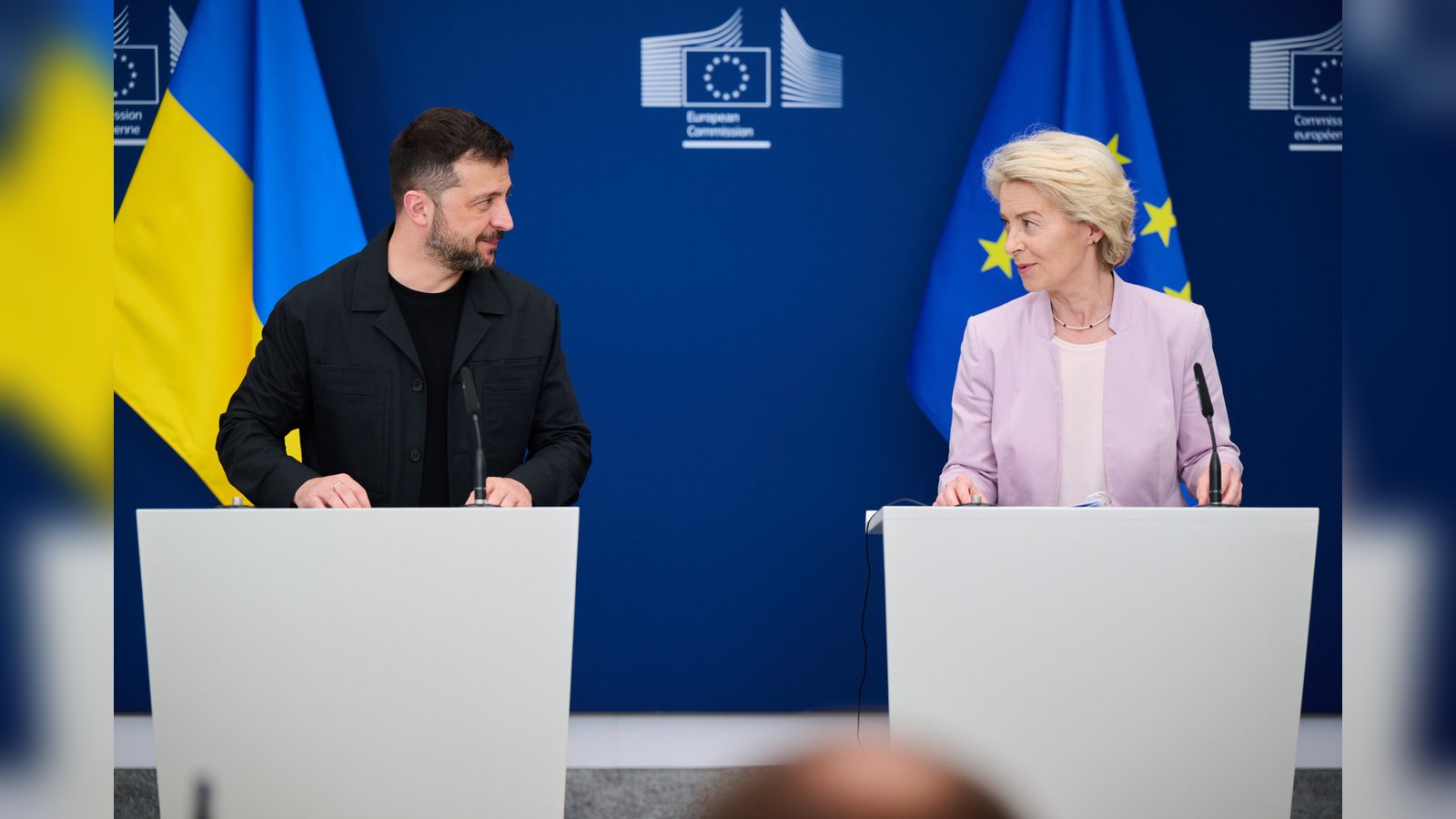
The European Union is set to disburse €3.3 billion to Ukraine to bolster its drone and missile defenses, European Commission President Ursula von der Leyen announced following a September 17 call with Ukrainian President Volodymyr Zelenskyy. The funding comes as Kyiv faces an estimated $27 billion (€23.4 billion) financing gap for the current year, raising concerns about the long-term sustainability of international aid as a difficult winter approaches.
Defense and Strategic Cooperation
The new disbursement is part of a broader €90 billion loan agreement finalized by EU leaders in December 2025. This financial package was designed to cover two-thirds of Ukraine’s financing needs through 2027. According to United24 Media, the commission is also exploring the use of remaining resources from the SAFE initiative to launch a joint defense program. This effort aims to integrate Ukrainian combat innovation with European manufacturing, particularly through the “Freya” anti-ballistic platform.
Beyond immediate military hardware, the EU and Ukraine are deepening operational ties. Germany has entered a security agreement with Kyiv to exchange expertise on Russian hybrid warfare, including counter-drone defense and cybercrime, with German personnel set to train at specialized facilities within Ukraine.
Fiscal Tensions and Future Risks
Despite the influx of aid, internal debates regarding the efficiency of Ukraine’s spending have surfaced. EUobserver reported that during an August 24 meeting, President Zelenskyy signaled that the Ukrainian defense ministry had already exhausted funds allocated for the second half of 2026. While the commission has not received a formal request for accelerated funding, several EU diplomats have expressed concerns in private discussions about whether the scale of the deficit reflects overstated requirements or inefficient resource allocation.
The pressure is compounded by shifting political landscapes abroad. US President Donald Trump has indicated an intent to seek repayment for previous American military support, adding further uncertainty to the international funding coalition that includes the G7 and the IMF. While accelerating loan disbursements remains a potential option for Brussels, doing so would require formal amendments to the 2025 agreement, a move that commission officials view with caution due to potential long-term budgetary risks.