


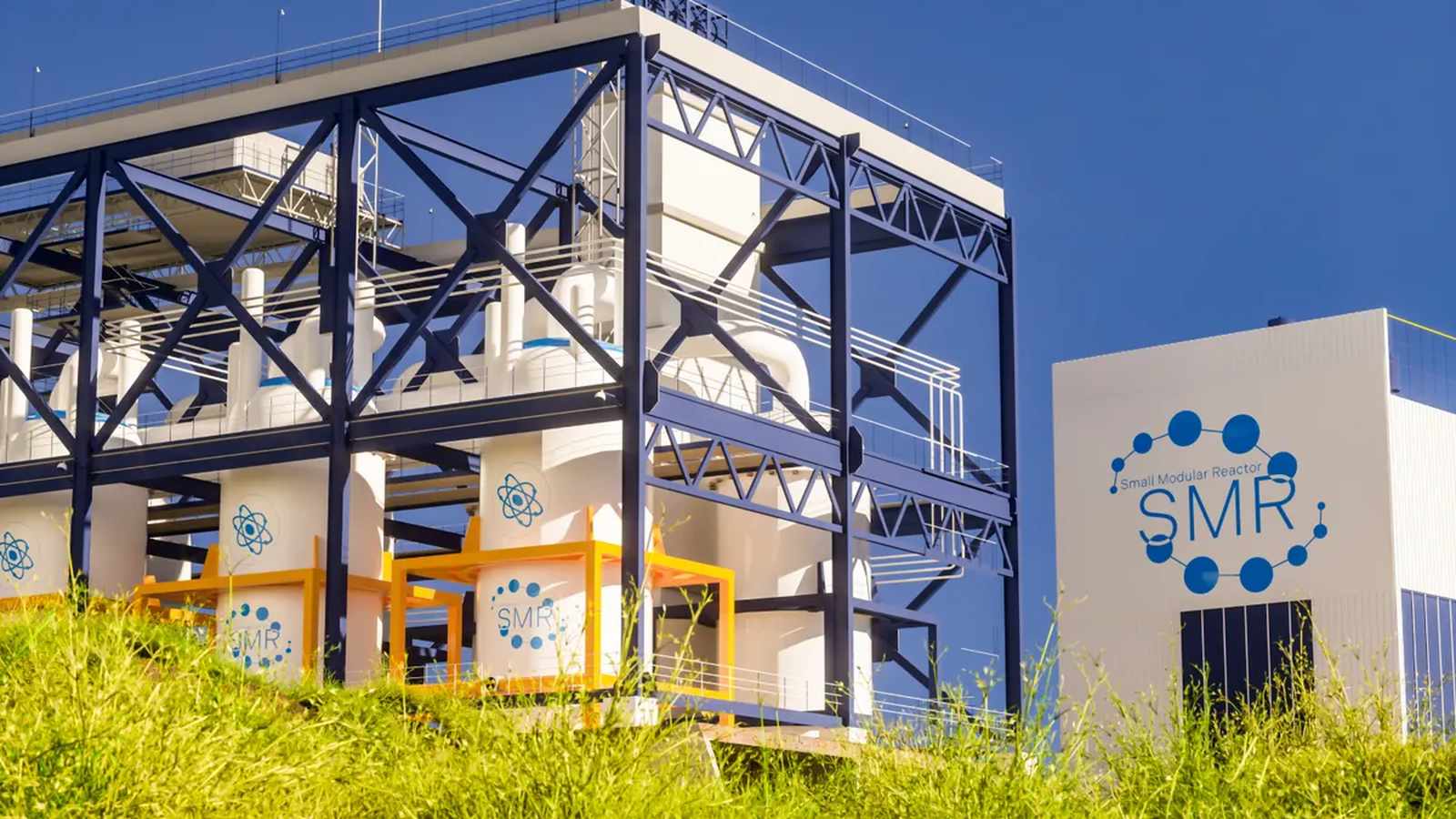
NuScale Power (NYSE: SMR), the prominent developer of small modular reactor (SMR) technology, is facing a severe market re-evaluation. The company’s stock price has plummeted by roughly 83% from its 52-week high, raising significant questions on Wall Street about the commercial viability of its next-generation nuclear technology. After peaking at $57.42 in October, shares have cratered to near $9.50, erasing billions of dollars in market capitalization and presenting a stark contrast to the company’s status as a regulatory pioneer.
According to financial filings and reports published by the Foreign Policy Journal, this dramatic market decline is directly linked to a near-total freeze in the company’s revenue-generating activities. NuScale reported a mere $75,000 in revenue for the second quarter of 2026, representing a staggering 99% decline from the $8.1 million recorded during the same period a year earlier. This fiscal vacuum highlights the gap between achieving regulatory milestones and securing sustainable commercial contracts.
The Post-Romanian Revenue Void
The primary driver behind NuScale’s revenue drop is the completion of its initial engineering phase for the RoPower project in Romania. Throughout 2025, engineering fees from this European venture served as the company’s primary financial engine. However, that work wrapped up in late 2025, and NuScale has yet to sign a major commercial agreement to replace it.
While the six-module RoPower project remains a key pillar of NuScale’s international pipeline, the initiative is currently stalled. The project is working through complex preliminary conditions tied to an upcoming shareholder vote. Until these corporate approvals are finalized and subsequent construction phases are contracted, the Romanian project cannot generate the substantial engineering and licensing fees NuScale needs to sustain its operations.
Dilution as a Funding Strategy
To navigate this commercial transition, NuScale has relied heavily on capital markets, resulting in massive shareholder dilution. The company’s weighted average of Class A shares outstanding has ballooned from approximately 133 million a year ago to roughly 365 million in the most recent quarter. This aggressive equity-issuance strategy was further extended on August 11, 2026, when NuScale filed to sell up to $750 million in additional stock over time.
This dilution has, however, created a unique financial paradox. Because of these equity sales, NuScale has amassed a substantial war chest of $1.9 billion in cash and short-term investments. This massive liquidity cushion eliminates any immediate risk of insolvency, giving the company several years of runway to secure commercial orders. Nonetheless, using shareholder equity to build a cash reserve rather than generating cash flow from operations has deeply frustrated institutional investors, contributing heavily to the 83% stock decline.
The TVA Prospects and Regulatory Realities
NuScale’s long-term investment thesis now hinges on turning preliminary discussions into binding contracts. The company’s primary domestic opportunity lies with the Tennessee Valley Authority (TVA). NuScale’s commercialization partner is currently in negotiations with the TVA regarding a potential power purchase agreement. If finalized, NuScale claims this partnership could pave the way for the largest nuclear deployment program in United States history.
However, these discussions have not yet yielded a binding contract, leaving the timeline and scale of the project highly uncertain. This delay persists despite NuScale holding a major competitive advantage: it remains the only SMR developer with a certified design from U.S. regulators, having secured an updated design approval in May 2025. The company has also successfully assembled a robust supply chain comprising more than 60 commercial partners, demonstrating that its industrial infrastructure is ready for deployment once orders materialize.
Valuation vs. Commercial Reality
Even after the devastating share price collapse, NuScale’s market capitalization remains near $4.1 billion. When weighed against its trailing 12-month revenue of approximately $10.7 million, the company trades at an extraordinarily high valuation multiple. This premium indicates that the market is still pricing in a high probability of future commercial success, leaving little room for further operational delays.
For the broader SMR industry, NuScale’s struggles serve as a warning. While regulatory approval and supply chain readiness are critical milestones, the transition to commercial deployment remains a challenging hurdle. Until NuScale can convert its discussions with the TVA or the RoPower consortium into revenue-generating contracts, its multi-billion-dollar valuation will continue to rest on expectations rather than financial fundamentals.