


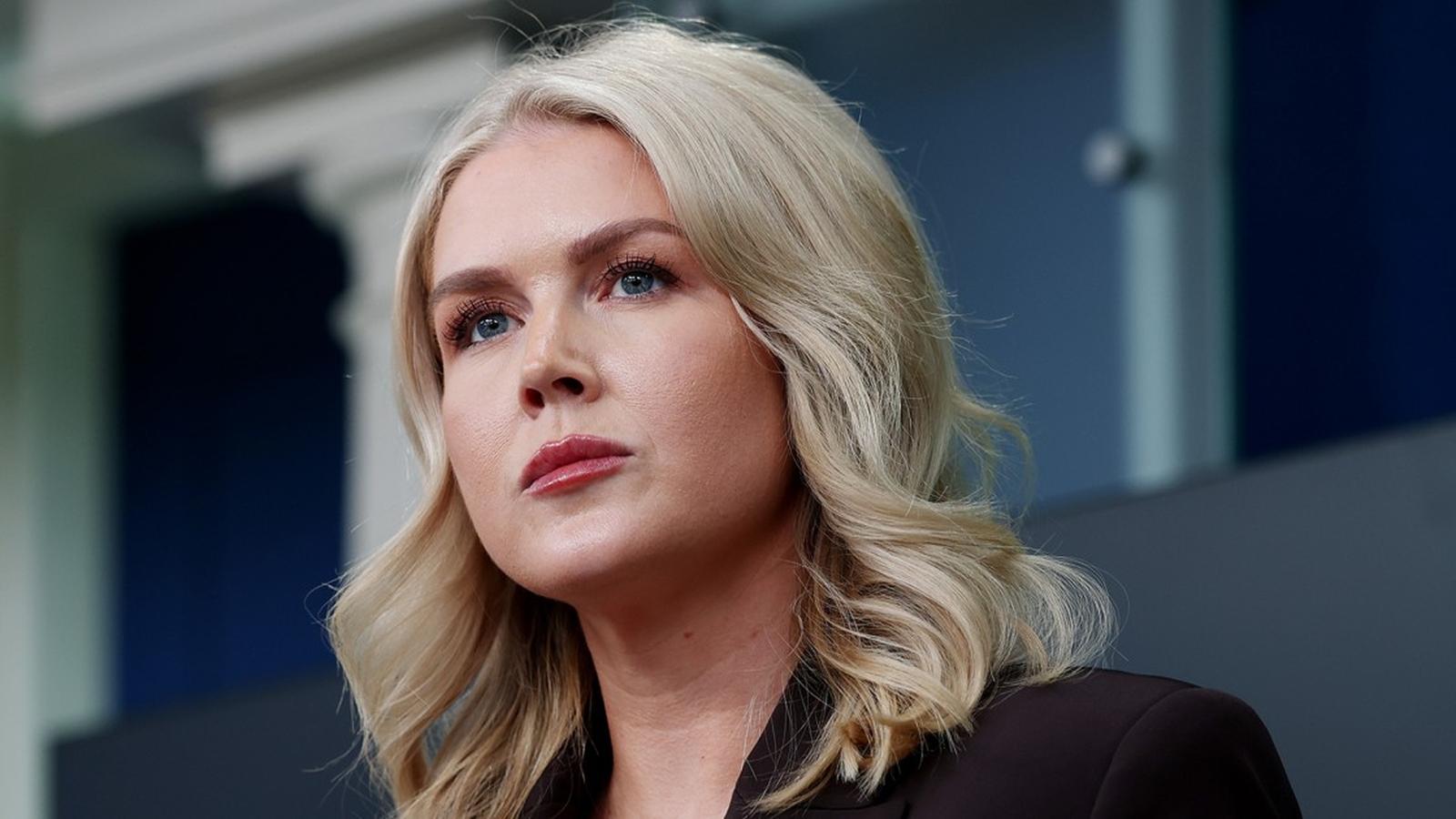
Karoline Leavitt, a prominent figure within the Republican Party and a key spokesperson for the administration, has recently come under the spotlight for her controversial remarks. Her comments, which have been described by some as inflammatory, underscore the growing polarization in American politics. In a political landscape increasingly defined by stark divisions, her statements have drawn both sharp criticism and enthusiastic support from different corners of the political spectrum.
Who Is Karoline Leavitt?
Karoline Leavitt emerged as a significant voice in Republican politics through her role as the White House Press Secretary. Known for her articulate and assertive communication style, she quickly became a trusted ally of the administration. Leavitt’s rise in the political arena reflects her ability to resonate with the Republican base, leveraging her platform to advocate for the party’s priorities and to challenge opposition narratives.
Her career trajectory has been marked by a commitment to conservative principles, with a focus on issues such as national security, immigration, and economic growth. However, it is her rhetoric, often targeting Democratic policies and figures, that has positioned her as both a celebrated and controversial figure within the political discourse.
The ‘Deplorables’ Moment Revisited
Leavitt’s recent remarks have drawn comparisons to the infamous “deplorables” comment made by Hillary Clinton during her presidential campaign. During an interview on Fox News, Leavitt described the Democratic Party’s constituency in stark terms, associating them with “Hamas terrorists, illegal aliens, and violent criminals.” This statement was met with immediate backlash from Democratic leaders and progressive groups, who condemned the rhetoric as divisive and inflammatory.
Critics argue that such language not only deepens partisan divides but also risks alienating moderate voters. On the other hand, supporters within the Republican Party view Leavitt’s comments as a bold and unapologetic critique of what they perceive as the failures of Democratic governance. The polarized reactions highlight the broader cultural and ideological battles shaping American politics today.
The Broader Context of Political Polarization
Leavitt’s comments must be understood within the context of a highly polarized political environment. The rhetoric employed by political leaders on both sides has become increasingly combative, reflecting the deep divisions within American society. For Republicans, framing the Democratic Party in starkly negative terms serves as a rallying cry for their base, mobilizing support for conservative policies and candidates.
However, this strategy also carries risks. The use of extreme language can alienate independent and moderate voters, who may view such rhetoric as a departure from constructive political discourse. For Democrats, Leavitt’s remarks provide an opportunity to galvanize their supporters by highlighting what they perceive as the dangers of Republican extremism. This dynamic underscores the challenges of fostering dialogue and compromise in an era of heightened partisanship.
The Impact on Public Perception
The controversy surrounding Leavitt’s comments has significant implications for public perception of both political parties. For Republicans, her remarks reinforce their image as a party willing to take a hardline stance against perceived threats to American values. However, this approach also risks alienating voters who are wary of aggressive political tactics.
For Democrats, the backlash against Leavitt’s rhetoric provides an opportunity to position themselves as champions of inclusivity and tolerance. By condemning her comments, they seek to draw a contrast between their vision for America and the Republican approach. The ongoing debate highlights the role of rhetoric in shaping public opinion and influencing electoral outcomes.
Karoline Leavitt’s remarks serve as a microcosm of the broader challenges facing American politics today. As leaders grapple with the complexities of governance and representation, the language they choose will continue to shape the contours of political discourse and public engagement.