


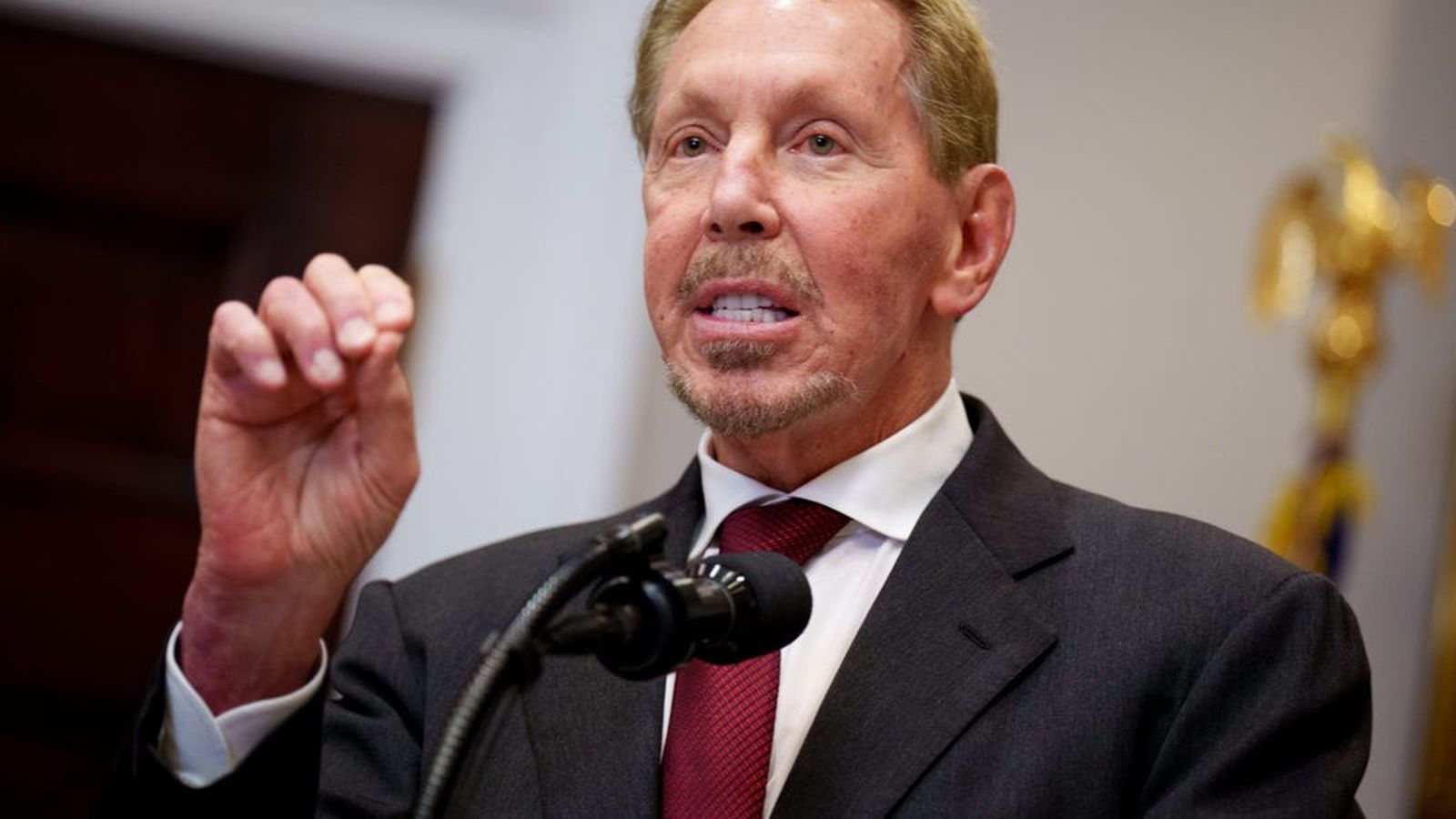
Larry Ellison, the billionaire founder of Oracle, is navigating a complex financial landscape in 2026, balancing significant market fluctuations in his primary tech holdings with a massive, high-stakes commitment to the entertainment industry. While his personal wealth has seen a $47 billion hit this year amid broader tech sector jitters, Ellison remains the primary architect behind his son David Ellison’s $111 billion bid to acquire Warner Bros. Discovery, providing $46 billion in backing for the deal.
The Ellison Empire’s Strategic Hollywood Pivot
The proposed merger, which would unite Skydance with Warner Bros. Discovery, represents a defining moment in Hollywood’s shifting business model. By providing nearly half of the capital required for the takeover, Larry Ellison is essentially betting on the future of legacy media at a time when traditional studios face immense pressure from streaming giants and rising content costs. Industry analysts view this move as a signal that the Ellison family intends to exert significant influence over the next generation of global entertainment.
Navigating the Software-as-a-Service Landscape
Beyond the silver screen, Larry Ellison remains focused on maintaining Oracle’s dominance in enterprise software. During recent earnings calls, he addressed growing investor fears regarding a potential ‘SaaSpocalypse’—the concern that AI-driven tools could displace traditional software-as-a-service providers. Ellison dismissed these concerns, asserting that Oracle’s pivot toward agent-based software for specialized sectors like healthcare and finance positions the company as a disruptor rather than a casualty of technological shifts. Despite a 10% jump in Oracle shares following strong earnings signals, the company continues to operate within a market environment that remains highly sensitive to AI expenditure.
Market Pressure and the Future of Consolidation
The broader economic context for the Ellison family is one of contraction for many of the world’s wealthiest individuals. With eight of the world’s ten richest people currently in the red for 2026, the resilience of the Ellison-backed media merger will likely serve as a litmus test for corporate consolidation. As the industry faces potential content budget cuts and the looming renegotiation of massive NFL rights deals, the scale provided by the Ellison-funded merger is intended to offer a competitive edge. Whether this capital infusion can overcome the structural challenges facing legacy media remains the industry’s most closely watched development.
The strategic alignment of Larry Ellison’s massive tech fortune with his son’s aggressive media expansion suggests a calculated, long-term play to dominate both the infrastructure of the digital economy and the content consumed within it, effectively insulating the family’s influence against volatility in either sector.