


Union Solidarity Shifts the Strike Timeline
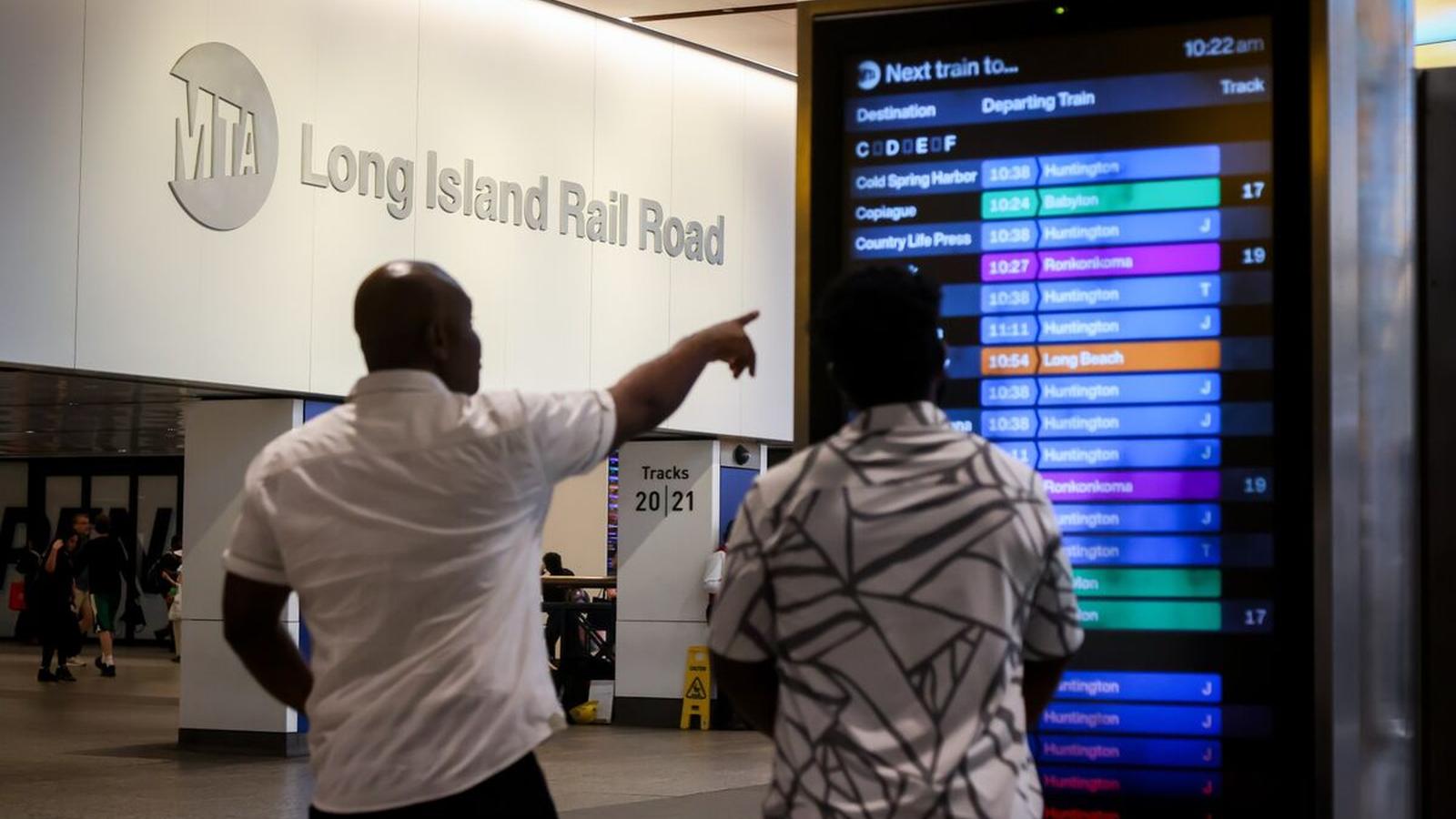
Monday dawned with a sense of unease for Long Island Rail Road commuters. The threat of a full-scale strike had been hanging over New York’s busiest commuter rail system for weeks, a specter that could disrupt the daily lives of hundreds of thousands. But as the day unfolded, a coalition of five unions representing nearly half of the LIRR workforce made a decision that would rewrite the immediate future: they formally asked the Trump administration to step in, invoking a rarely used federal mechanism to delay the walkout.
The Presidential Emergency Board: A Rarely Invoked Lifeline
The unions’ request was not just procedural—it was historic. In the words of Jim Louis, national vice president of the Brotherhood of Locomotive Engineers and Trainmen (BLET), “I can say in my 49 years in the rail industry, this request by the unions is a first.” Their call for a Presidential Emergency Board (PEB) means that, at least for now, the strike is on ice.
Under the Railway Labor Act, if contract negotiations collapse and mediation fails, either side can ask for federal intervention. The PEB, once appointed, pauses any strike or lockout for 60 days while a panel of experts reviews both sides’ arguments and proposes non-binding recommendations. As union leader Gil Lang explained, “This action does not mean a strike won’t happen, but it does mean it won’t happen now.”
High-Stakes Negotiations: Pay, Policy, and Public Pressure
At the heart of the conflict is pay. The unions are fighting for a wage increase that matches the region’s high cost of living and recent inflation. Their demand: a 16% raise over three years. The MTA counters with a 9.5% offer, a figure already accepted by the majority of other MTA workers. There’s a twist, though—the unions want a fourth year at 6.5%, making their proposal stand out.
The negotiations have been tense. Union leaders accuse the Metropolitan Transportation Authority (MTA) and Governor Kathy Hochul of waging a “scare campaign,” using riders as “pawns” to force concessions. “The MTA will continue to play their games and scare people,” said BLET vice president Kevin Sexton. “What we’re asking for is exceedingly reasonable, essentially the status quo when it comes to the cost of living.”
On the other side, MTA officials argue that any deal exceeding the established pattern should come with significant changes to work rules they say inflate pay. John McCarthy, MTA’s chief of policy and external relations, was blunt: “If they don’t want to strike, they should say so—and finally show up to the negotiating table. This cynical delay serves no one.”
Political Dynamics and Commuter Anxiety
The unions’ move to involve President Trump was not without controversy. Governor Hochul, who had previously hesitated to request White House intervention, criticized both sides for letting the standoff reach this point. “The Trump administration can prevent this right now by ordering both sides back to mediation. If they refuse, LIRR riders should know exactly who is to blame,” she said in a statement.
Commuters, meanwhile, found themselves in limbo. The LIRR had issued alerts warning that service could be halted as early as Thursday, forcing many to consider alternative travel plans. For now, the emergency board’s involvement offers a reprieve—but not a guarantee. The specter of a strike remains, looming over a system that moves more than 300,000 people each day.
The Road Ahead: Uncertainty, Mediation, and Public Interest
With the strike delayed, both sides now await the appointment of the Presidential Emergency Board. The board will hold public hearings, allow for federally mandated “cooling off” periods, and ultimately issue recommendations. The process could push any potential strike as far as May, giving negotiators a window to find common ground—or deepen their impasse.
Union officials maintain that their demands are modest and rooted in fairness. “Wages are the only real issue,” said Gil Lang. “We are only asking for a fair contract—one that provides modest wage gains, or at the very least, maintains real wages. Our members would not ratify anything short of that.”
The MTA, however, remains wary of setting a precedent that could ripple through its budget and contracts with other labor groups. Their insistence on concessions underscores the broader battle over work rules that have long shaped the culture and compensation of LIRR employees.
As negotiations move to the federal stage, commuters, union members, and city officials are left watching and waiting. The outcome will not only shape the future of LIRR but also set a tone for labor relations in New York’s public sector for years to come.
A System at a Crossroads
The LIRR strike saga is more than a labor dispute—it’s a test of resilience for the region’s transportation network, a reflection of the economic pressures facing working families, and a lesson in the power of federal intervention. The unions’ historic appeal to President Trump signals both desperation and hope: a willingness to exhaust every avenue before resorting to a work stoppage that could paralyze a city.
For now, the trains will keep running, and the conversations will continue. But beneath the surface, the tension remains. The fate of thousands of workers—and the routines of hundreds of thousands of riders—hangs in the balance, shaped by decisions unfolding far from the platforms and tracks of Long Island.
The unions’ bold request for presidential intervention has, for the moment, transformed a looming crisis into an opportunity for negotiation. Yet the underlying issues—wages, work rules, and public trust—remain unresolved. The coming months will reveal whether this pause leads to progress or simply postpones an inevitable reckoning in New York’s rail system.
Sources: Bloomberg, NY Post, Newsday