


A Major Breach of Consumer Trust
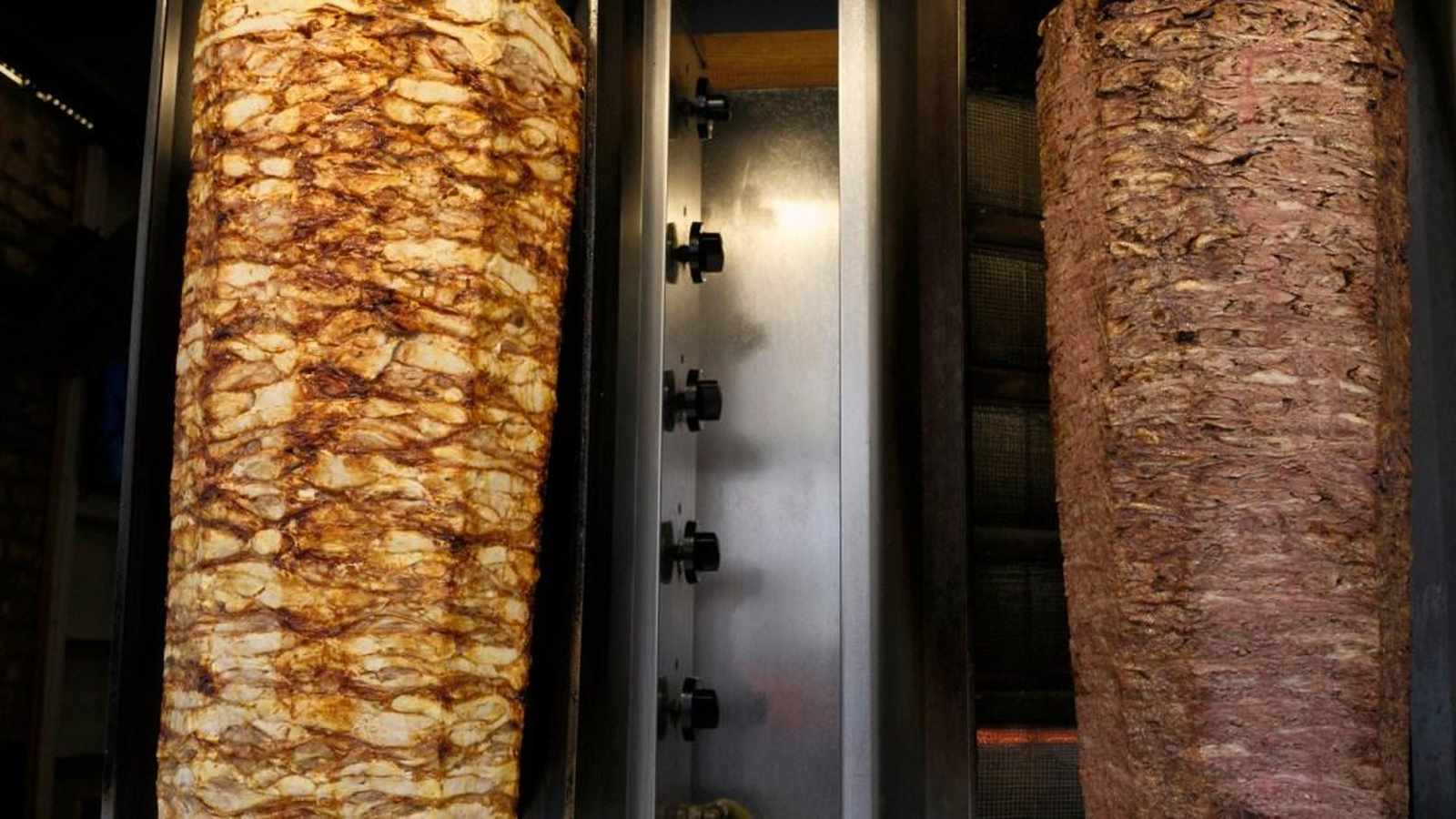
One of the United Kingdom’s largest suppliers of doner kebab meat, Kismet Kebabs, has been fined £500,000 following a significant food fraud investigation. The Essex-based company admitted to deceiving wholesalers and consumers by labeling products as containing up to 87% lamb, while laboratory testing revealed they contained less than 10% sheep DNA.
Proceedings at Swansea Crown Court exposed a long-term practice of substituting premium lamb with lower-cost ingredients, including goat meat, animal skin, and high-fat trimmings. Trading standards officers, who initiated random DNA testing in 2020 and 2021, described the factory conditions as alarming, noting that investigators found no shipments of lamb arriving at the facility during their raid.
The Scale of Deception
The investigation, which spanned 18 months of invoice audits, suggested the company generated an estimated £6 million from the fraudulent operations. Trading standards officer Rhys Harries stated that the factory’s production process involved mincing various offcuts—including mutton, goat, and excessive fat—which were then packaged as lamb products. In some instances, the same batch of meat was labeled as both “70% lamb” and “50% lamb” for different clients, highlighting a complete disregard for labeling accuracy.
The court ordered the firm to pay an additional £259,298 in costs. Judge Huw Rees characterized the company’s actions as “considerable dishonesty” that persisted over a prolonged period.
Industry and Regulatory Response
Kismet Kebabs has since undergone significant management changes. In a statement, the company emphasized that the offenses related to historical practices under a previous leadership structure and do not reflect current operations. The firm has since secured BRCGS (Brand Reputation through Compliance Global Standards) accreditation, which has been reviewed and maintained following their compliance with current safety standards.
This scandal draws uncomfortable parallels to the 2013 horsemeat crisis, raising broader questions about the integrity of the fast-food supply chain. While the Food Standards Agency maintains that overall food safety standards in the UK remain high, the Kismet case underscores the persistent risk of “food fraud” in processed meat markets. As the industry continues to evolve—with consumer trends shifting toward healthier, more transparent dining options—this incident serves as a stark reminder of the critical need for rigorous, independent oversight of food manufacturing processes.