


Economic Dominance of Renewables
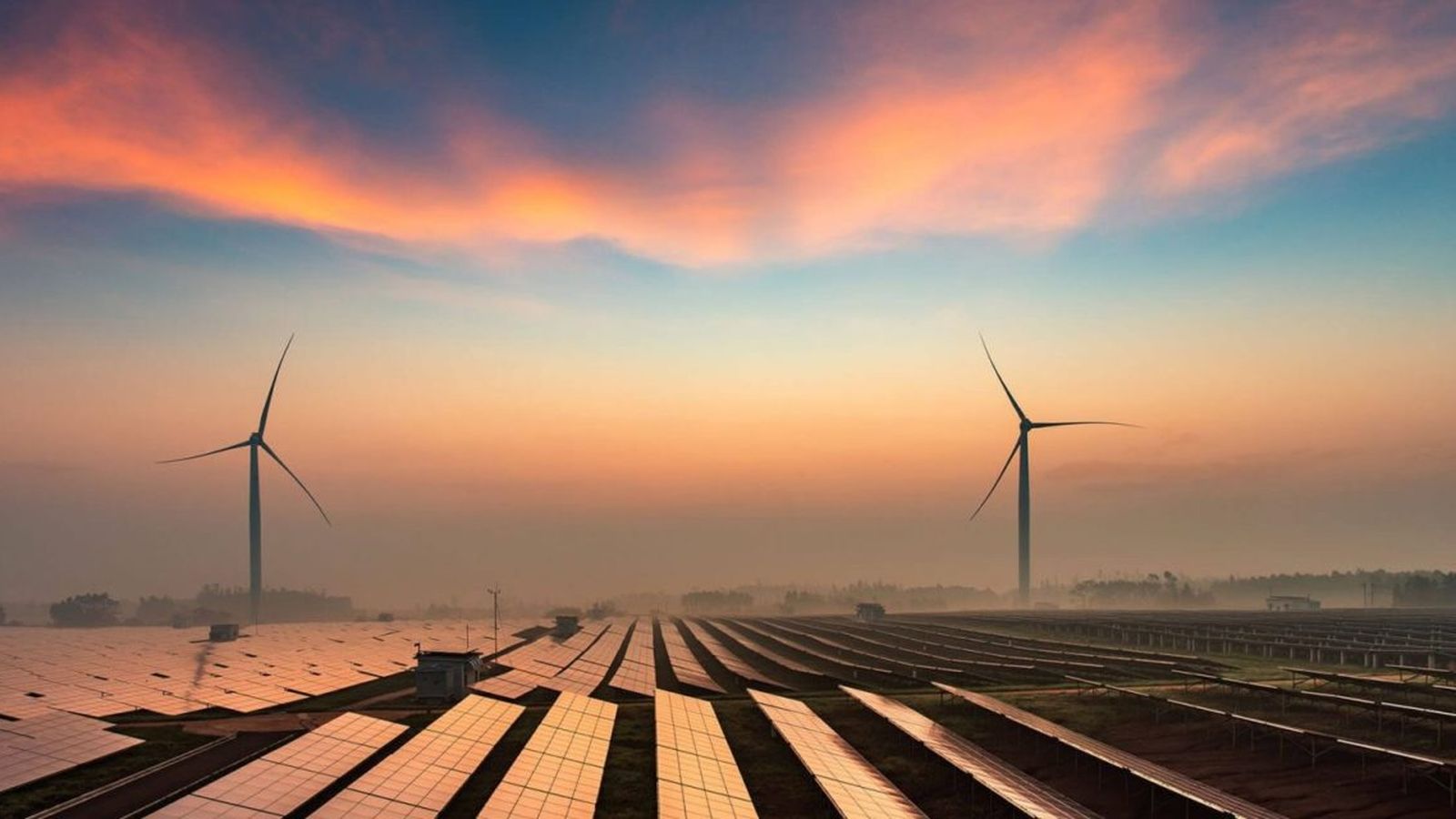
According to a new report from the International Renewable Energy Agency (IRENA), renewable energy has solidified its position as the most competitive source of new electricity generation. In 2025, more than 90% of all newly added large-scale renewable capacity was cheaper than the lowest-cost fossil fuel alternative. Onshore wind power costs currently sit at approximately US$33/MWh, while solar photovoltaic energy maintains an average cost of US$44/MWh.
Beyond simple generation costs, renewables have become a strategic safeguard against geopolitical volatility. IRENA estimates that existing renewable capacity allowed nations to avoid approximately US$480 billion in fossil fuel purchases throughout 2025. China led these savings, accounting for US$177 billion, followed by the United States and Brazil.
The Local Implementation Gap
Despite these macroeconomic advantages, the physical rollout of infrastructure faces localized social friction. A study published in the Journal of Environmental Economics and Management highlights that visual exposure to wind turbines can negatively influence political support for renewable expansion. Researchers at Leipzig University found that as wind energy debates become more polarized, the physical presence of turbines in rural areas often leads to a decline in support for pro-renewable political parties.
The study suggests that this is not a rejection of green energy itself, but rather a crisis of perceived fairness. Residents often react negatively when they experience the landscape impact of turbines without receiving direct financial participation or having a say in siting decisions.
State-Level Success and Future Outlook
Success stories persist where policy designs integrate community benefits. New York State recently reached a milestone of eight gigawatts of distributed solar energy, moving ahead of its 2030 goal. Governor Kathy Hochul noted that this growth generated US$12.2 billion in private investment and supported 16,000 jobs. Crucially, the state’s model emphasizes community solar projects, which allow residents to benefit from clean energy without needing to host panels on their own property.
As the industry looks toward 2035, IRENA warns that the pace of cost reduction may slow due to manufacturing shifts and tariff tensions. The transition’s success will likely depend on balancing these global economic trends with localized policies that prioritize community engagement and equitable benefit-sharing to mitigate public resistance.