


A Legacy of Fabrication
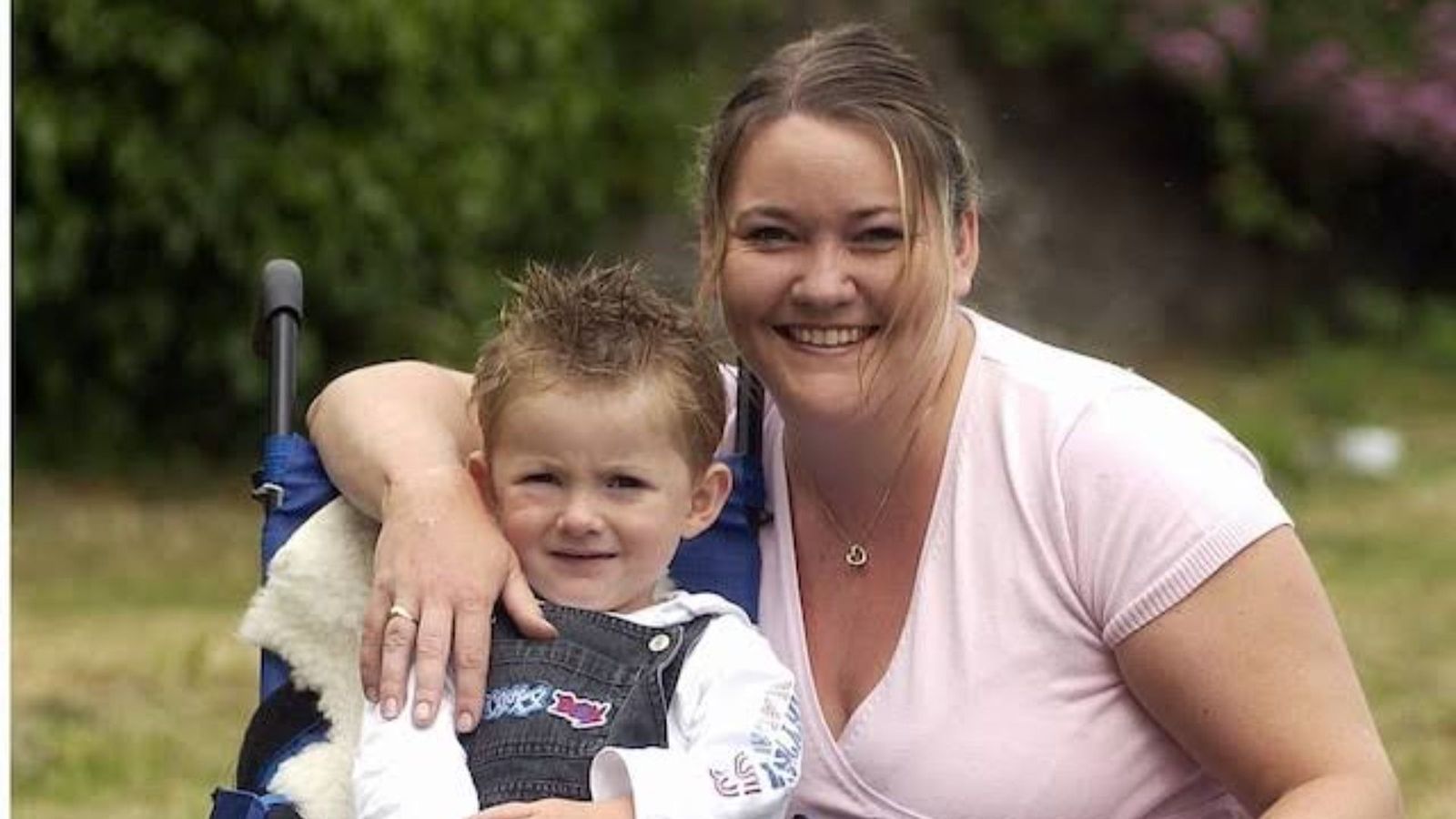
The Channel 4 documentary Love You To Death, which premiered on August 19, 2026, has brought renewed public attention to the case of Lisa Hayden-Johnson. In the mid-2000s, Hayden-Johnson gained notoriety for orchestrating a complex web of lies regarding the health of her son, Matthew. For over six years, she maintained that Matthew suffered from a litany of severe conditions, including cerebral palsy, cystic fibrosis, and extreme food allergies, despite medical professionals finding no evidence of such illnesses.
The documentary features candid interviews with Matthew, now 25, who reflects on the years he spent in a wheelchair and reliant on oxygen and feeding tubes, all of which were unnecessary. The film explores the psychological toll of this upbringing and the subsequent legal battle that led to Hayden-Johnson’s 2010 conviction for child cruelty and perverting the course of justice.
This report draws on information published by BBC and The Guardian.
The Mechanics of Abuse
Hayden-Johnson’s deception was both extensive and calculated. She famously spiked her son’s urine samples with glucose to mimic diabetes, leading doctors to perform invasive procedures, including the insertion of a permanent feeding tube in his stomach. During her trial, the prosecution described her actions as a “sadistic fabrication” that amounted to “24-hour-a-day torture.” Hayden-Johnson collected approximately £130,000 in disability benefits and received numerous gifts from charities based on her claims.
Her deception eventually collapsed in 2007 when a pediatrician grew suspicious of the lack of a formal diagnosis despite the alleged severity of Matthew’s symptoms. Upon her arrest, it was determined that Matthew had been subjected to 325 medical actions. His father was ultimately cleared of any involvement, as he had also been misled by Hayden-Johnson’s persistent lies.
Reflections on Forgiveness and Accountability
The documentary reveals a sharp divide in perspective regarding the aftermath. While Matthew has chosen a path of forgiveness to move forward with his life—working in finance and distancing himself from his mother—Lisa Hayden-Johnson remains unrepentant. Speaking in the documentary, she claims, “The only thing I was guilty of was putting my son first and fighting his battle.”
This refusal to acknowledge wrongdoing has cemented Matthew’s decision to cut all contact with her. His journey since being removed from her care, moving to Sheffield, and building a life with his father and sister, stands as a testament to his resilience. The documentary highlights the ongoing debate regarding the long-term impact of Fabricated or Induced Illness (FII) on children and the challenges of recovering from such profound familial betrayal.