


The Rising Cost of Lithium-Ion Disposal
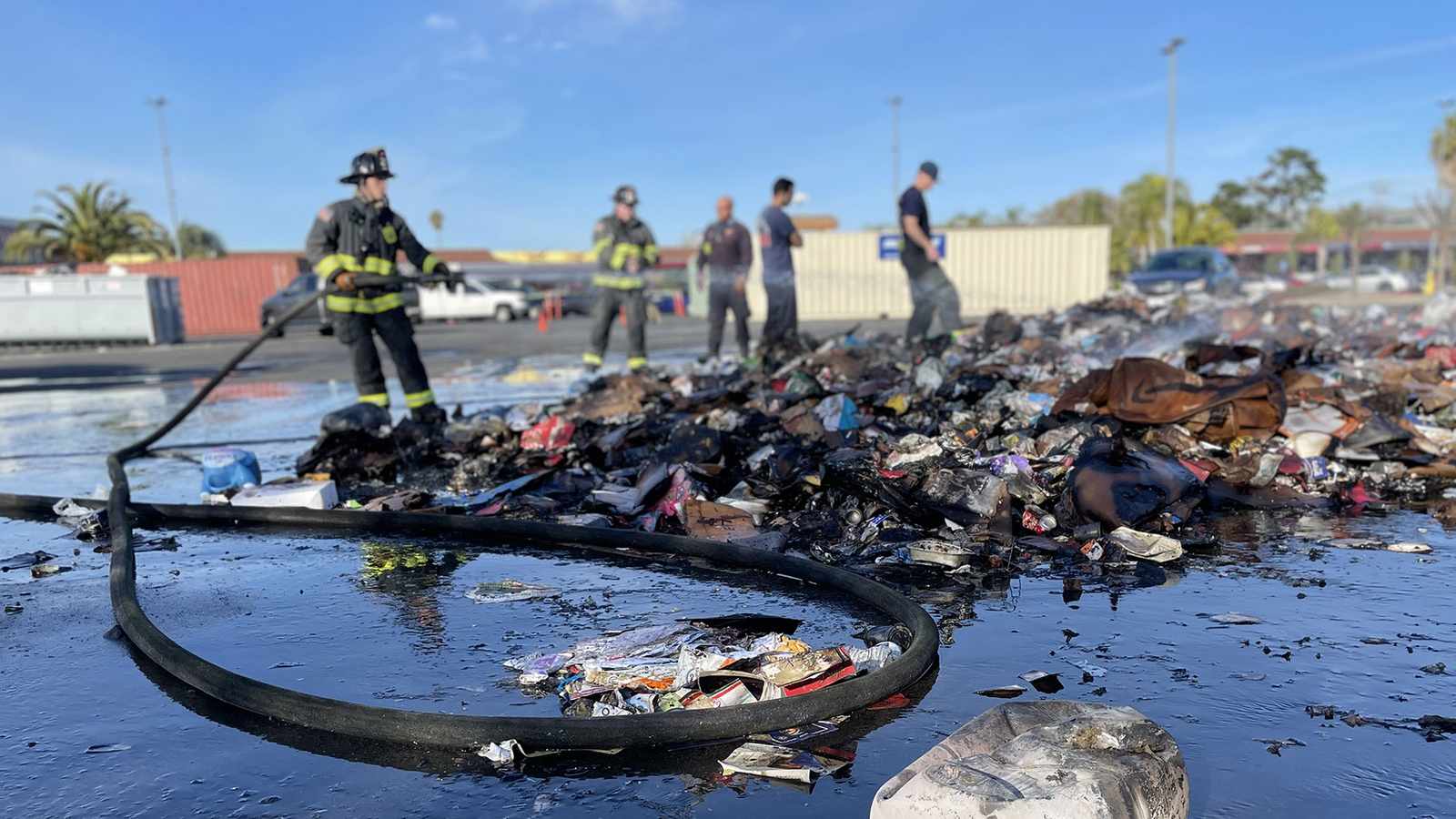
Recycling facilities across the United States are grappling with an escalating fire hazard linked to the improper disposal of lithium-ion batteries. These power sources, ubiquitous in everything from consumer electronics to electric vehicles, have become a significant operational risk for waste management agencies. Joe La Mariana, executive director of RethinkWaste, which serves the San Francisco Peninsula, recalls a devastating four-alarm blaze at his facility in 2016 that required 100 firefighters to extinguish. Such incidents are becoming increasingly common as consumers discard devices containing hidden battery cells into standard recycling streams.
When these batteries are crushed or punctured in sorting equipment, they can experience thermal runaway—a violent chemical reaction that releases intense heat and is notoriously difficult to suppress. For facility operators, the financial and physical risks are mounting, turning standard waste management into a high-stakes safety challenge.
The Emergence of Sodium-Ion Technology
As the industry struggles with the limitations of lithium, technological diversification is gaining traction. Sodium-ion batteries are emerging as a primary candidate to address these safety concerns. Unlike lithium, sodium is abundant and significantly less prone to the volatile thermal runaway events that plague current battery systems. US-based companies, including startups like Peak Energy, are betting on these systems to provide more reliable, safer storage for utility-scale energy projects.
In China, the adoption of this technology is already moving from the lab to the field. Hina Battery recently delivered a mining truck equipped with a 676 kWh sodium-ion system, capable of recharging in under 25 minutes. While industry analysts note that sodium-ion batteries currently face challenges—including lower energy density and shorter lifespans due to the larger ionic radius of sodium—the development cycle is accelerating.
Supply Chain and Operational Stakes
The push for sodium-ion technology is also driven by geopolitical and economic factors. Washington is closely monitoring the potential for “China-free” battery supply chains, as sodium-ion technology offers a path to decoupling from the critical mineral dependencies currently favoring Chinese dominance in the lithium market. For data centers and grid operators, which require constant, reliable power, the promise of a cheaper, less combustible battery is a significant incentive. While lithium-ion is expected to maintain its market dominance for the foreseeable future, the shift toward sodium-ion signals a growing recognition that safety and supply chain sovereignty are becoming as critical as energy density and cost.