


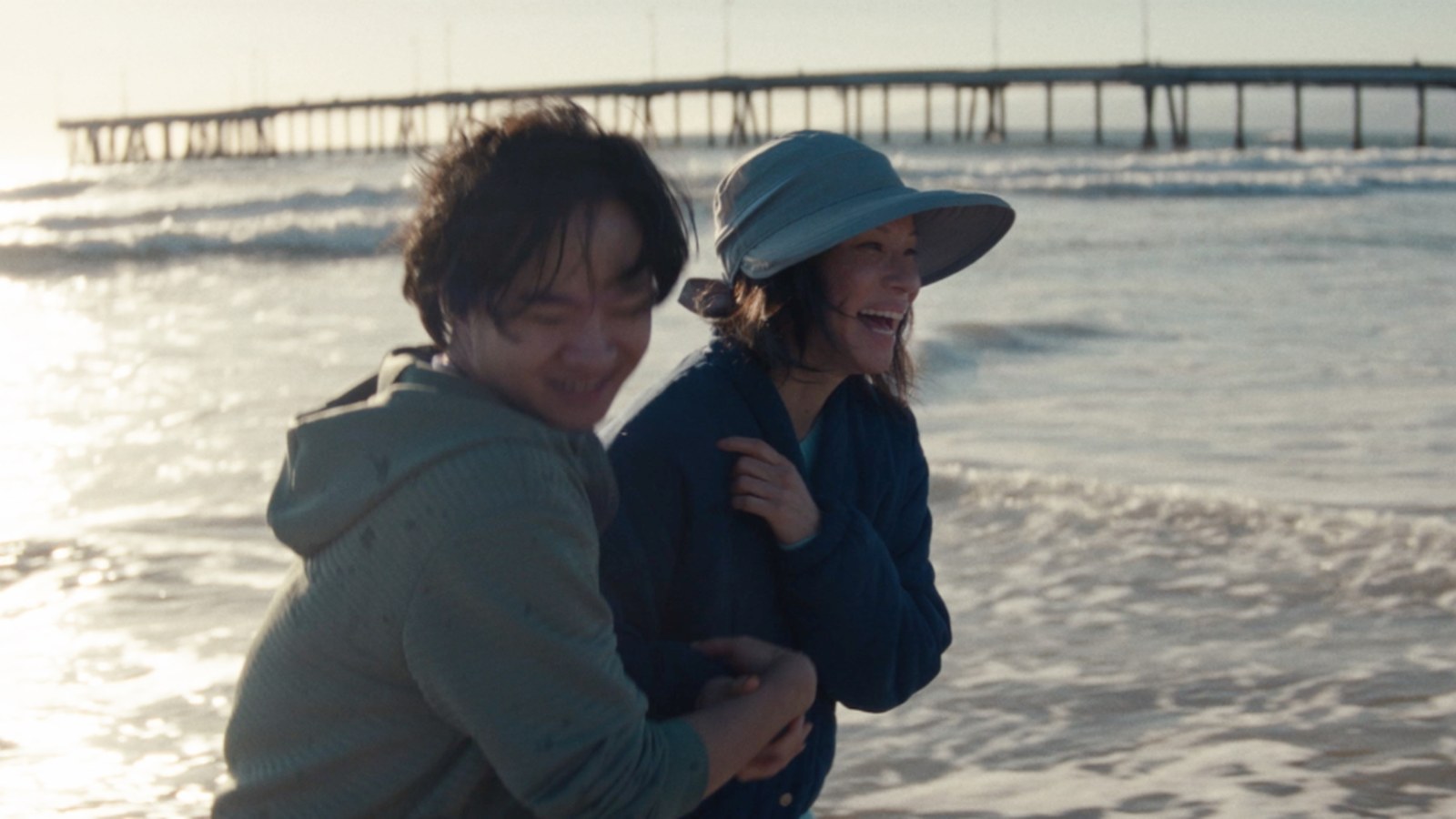
- Lucy Liu stars in and produces ‘Rosemead,’ a film exploring mental health barriers for immigrant families in California.
- The story adapts a 2017 Los Angeles Times case involving a Chinese American mother and her son’s schizophrenia.
- The film highlights language obstacles, cultural stigma, and insufficient support in public services.
- Directed by Eric Lin, ‘Rosemead’ uses Mandarin dialogue and documentary-style realism.
- National data shows Asian Americans access mental health care at lower rates due to multiple barriers.
Lucy Liu’s New Film Brings Mental Health Challenges to the Forefront
When Lucy Liu steps onto the screen in ‘Rosemead,’ she’s not just playing a role—she’s amplifying a story that too often goes unheard. Released in U.S. theaters in December 2025, the film is more than a dramatic portrayal; it’s a lens into the lives of immigrant families wrestling with mental health crises while navigating a system that rarely speaks their language, literally and figuratively.
Based on Real Events: The Heart of ‘Rosemead’
The narrative of ‘Rosemead’ traces its roots to a true story first reported by Frank Shyong in the Los Angeles Times in 2017. Liu’s character, Irene, is a Chinese immigrant and widow living in California’s San Gabriel Valley—a region where Mandarin and Cantonese are commonly spoken at home. Irene faces an uphill battle: her adult son’s schizophrenia intensifies, and she’s left to decipher medical advice, police procedures, and crisis protocols, often delivered in English she struggles to fully grasp.
This is not a simple tale of illness; it’s about how fragmented information, cultural stigma, and bureaucratic complexities can leave families isolated at their most vulnerable moments. Liu’s performance captures the weight of grief, a recent medical diagnosis, and the persistent uncertainty: how do you help someone when the system itself feels foreign?
Cultural and Linguistic Barriers in Mental Health Care
‘Rosemead’ paints a vivid picture of the challenges Asian American families face accessing mental health support. According to the U.S. Department of Health and Human Services’ Office of Minority Health, Asian Americans reach out for mental health care at lower rates than other groups. The reasons are layered: language barriers, fears about family reputation, social stigma, and a lack of culturally tailored services all play a role.
One of the film’s most striking realities is Irene’s struggle to understand critical medical and legal terms. California’s psychiatric evaluation process, including the 5150 involuntary hold, appears in the film as a maze of documents and jargon. Without consistent translation or culturally sensitive guidance, families can easily misinterpret what’s happening—or what’s required of them.
The Impact of School Safety Fears
The backdrop of ‘Rosemead’ is not only personal but also national. The film threads Irene’s anxiety with the broader climate of school violence in America. The Center for Homeland Defense and Security’s K-12 School Shooting Database reports a decade-long rise in incidents, fueling parental concern and sometimes blurring the lines between genuine risk and misunderstood warning signs.
Liu’s portrayal underscores how, in moments of crisis, immigrant parents might overinterpret their children’s behavior out of fear, especially when compounded by cultural pressures and limited access to expert support. The film doesn’t offer easy answers; instead, it asks viewers to consider how families are expected to navigate potential dangers with little more than fragmented information and instinct.
Authenticity Through Language and Context
One of the film’s most authentic touches is Liu’s use of Mandarin, mirroring the linguistic reality of many San Gabriel Valley households. According to Census Bureau data, this region has one of the highest concentrations of Mandarin and Cantonese speakers in the United States. Yet, public services—from hospitals to law enforcement—often operate in English, leaving those who aren’t fluent to rely on ad hoc interpreters or family members.
The filmmakers deliberately highlight the confusion and anxiety that arises when families receive official documents they cannot fully read. This is not just a plot device; it’s a daily reality for countless immigrant families, shaping their decisions and, ultimately, their well-being.
A Shift in Asian American Storytelling
‘Rosemead’ arrives at a moment when Asian American stories are finding new visibility in mainstream media. Films like ‘The Farewell’ and ‘Minari’ have opened doors for narratives centered on cultural identity, caregiving, and generational tension. Liu’s choice to produce and star in ‘Rosemead’ signals a commitment to independent projects that delve into issues often overlooked by Hollywood.
Director Eric Lin, making his debut as a feature filmmaker, brings a documentary sensibility to the project. His background in cinematography enriches the visual narrative, immersing viewers in the textures of daily life and the silent burdens families carry.
Policy and Public Interest: Where Do We Go From Here?
The release of ‘Rosemead’ coincides with ongoing debates about mental health policy in California and nationwide. State and federal agencies are reviewing crisis intervention models, involuntary psychiatric holds, and the need for community-based resources that reflect the diversity of those they serve.
Research from the National Institute of Mental Health suggests that outcomes for conditions like schizophrenia improve when families receive culturally competent support and education. The film’s depiction of Irene’s journey brings these findings to life, showing what’s at stake when such support is missing.
At its core, ‘Rosemead’ isn’t just a film—it’s a call to recognize the invisible barriers immigrant families face, and the urgent need for public systems to adapt. Lucy Liu’s performance is a mirror for countless households relying on services not designed for their realities.
‘Rosemead’ stands as a poignant reminder that mental health crises do not exist in a vacuum. By weaving together personal struggle, community context, and policy gaps, the film invites viewers to ask: How can we build systems where no one is left translating their pain alone?