


Political Stakes in State Elections
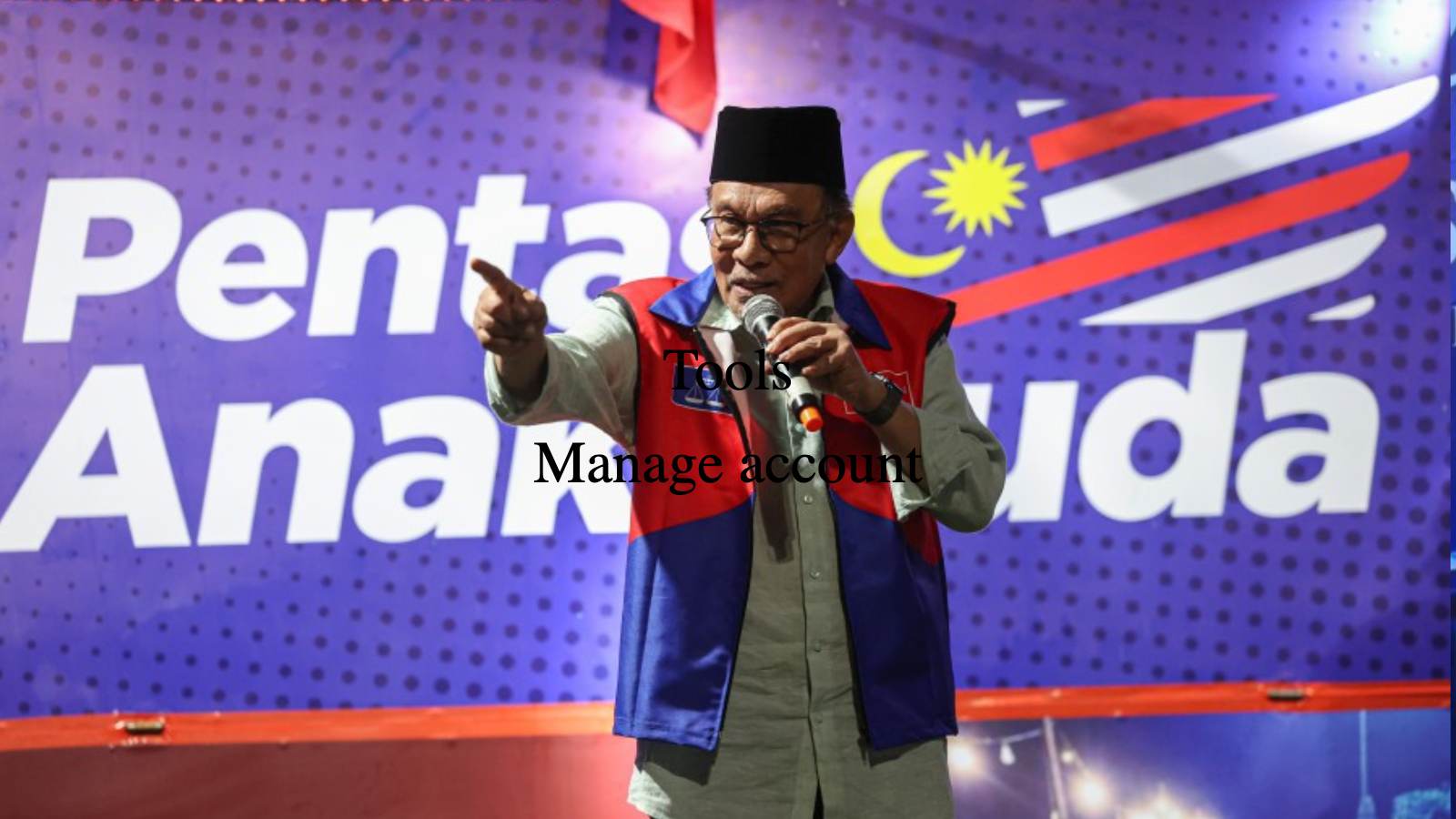
Malaysia is bracing for significant state-level electoral tests as the Election Commission confirms voting dates for Johor and Negeri Sembilan. Nominations for Johor’s 56 seats commence on June 27, with polls set for July 11, while Negeri Sembilan will follow with nominations on July 18 and voting on July 28. These elections serve as a crucial barometer for the federal coalition involving Barisan Nasional (BN) and Prime Minister Anwar Ibrahim’s Pakatan Harapan (PH).
While economic indicators remain positive—with RHB Investment Bank recently revising Malaysia’s 2026 Industrial Production Index growth forecast upward to 4.9%—voters are increasingly focused on the disparity between macro-growth and daily living costs. Analyst Mohd Azizuddin Mohd Sani notes that while infrastructure projects like the Johor Bahru-Singapore Rapid Transit System Link underscore regional development, the perceived lack of tangible benefits for ordinary households remains a primary campaign issue.
Energy Security and Geopolitical Navigation
The administration is currently evaluating the feasibility of importing Russian oil to mitigate supply shocks exacerbated by global volatility, including the closure of the Strait of Hormuz. According to government officials, state energy firm Petronas is conducting assessments to determine if domestic refineries can process varying crude characteristics. This move poses a potential diplomatic challenge, as the administration attempts to maintain its ‘friends with all’ foreign policy while facing pressure from Western nations to limit engagement with Moscow.
Food Security and Climate Adaptation
Beyond energy, the government is prioritizing long-term food security as the ‘super’ El Niño phenomenon threatens to reduce crop yields by 8-10% this year. Agriculture and Food Security Minister Mohamad Sabu has highlighted the potential of cultivated meat as a strategic solution. The government is advancing a regulatory framework for cell-based proteins, bolstered by a landmark fatwa from the Department of Islamic Development Malaysia (JAKIM) declaring such products halal. This initiative is a core component of the Malaysia National Biotechnology Policy 2.0, aimed at insulating the national food supply from climate-driven volatility.