


Community Intervention and a Chance Discovery
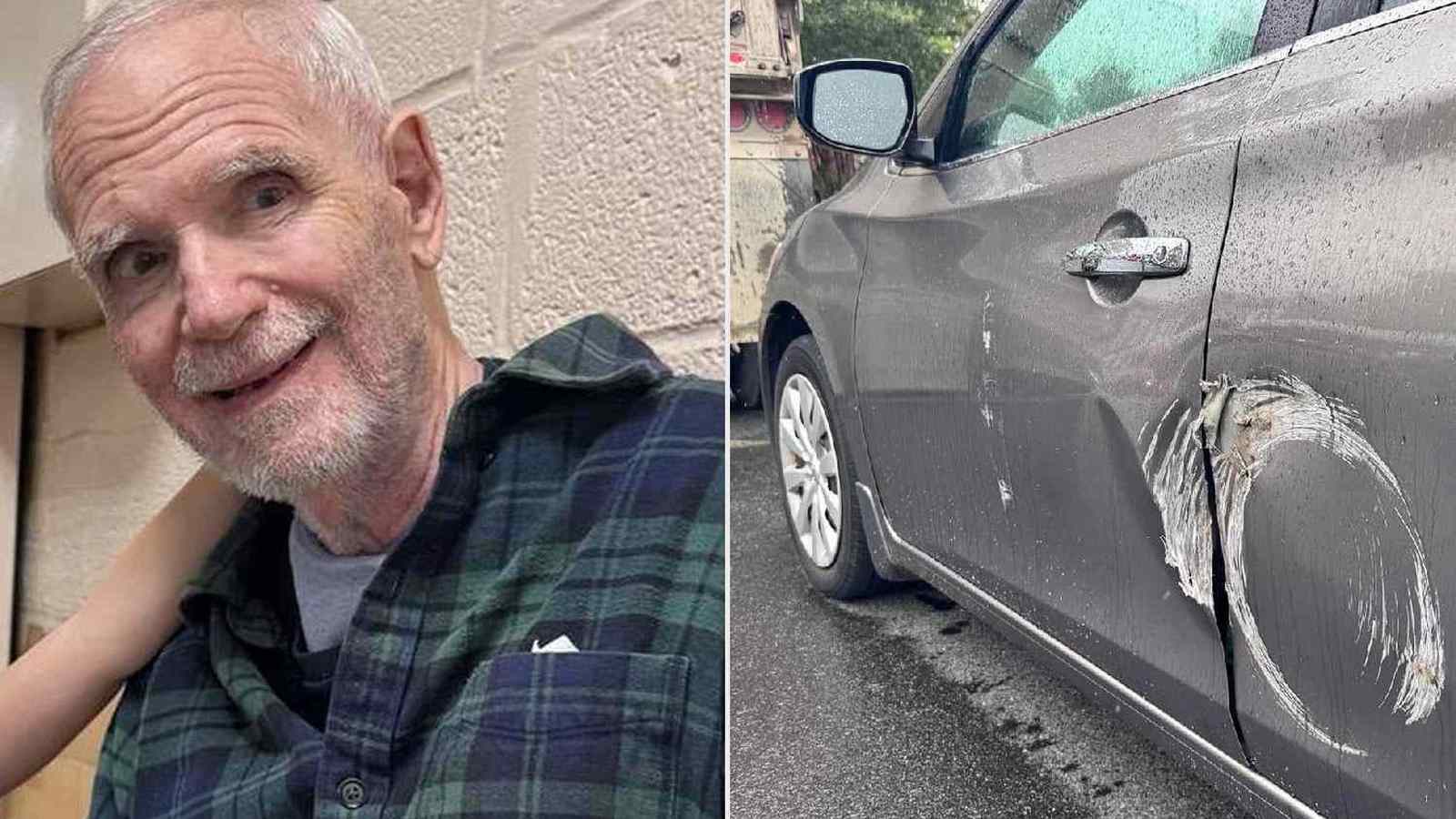
A 78-year-old Maryland man living with Alzheimer’s disease was safely reunited with his family in November 2026 after a journey that took him more than 100 miles from his residence in Bowie to a street corner in Northeast Philadelphia. Frank Grow, who has been diagnosed with Alzheimer’s for six years, went missing on a Thursday when he took the opportunity to start his daughter’s car while she was briefly away. According to NBC4 Washington, the incident occurred after his daughter, Maggie Henkin, left the vehicle running for just minutes. Grow, who had not driven since his diagnosis, inadvertently set out on a drive that would ultimately conclude in an entirely different state.
The ordeal came to a conclusion when Angelo Torres, a resident of the Philadelphia neighborhood, spotted Grow standing alone on a street corner. Torres observed that the man appeared disoriented and distressed. “I noticed a gentleman standing on the corner. So I pulled up to him and asked, ‘Sir, are you OK?’ and he said, ‘No, I’m not OK,’” Torres recounted to Hoodline. Lacking any identification on his person, Grow was unable to explain his presence in the city, leading Torres to search the vehicle for clues to help reunite him with his family.
The Role of Detail and Instinct
While examining the vehicle, Torres discovered a Nissan dealership invoice tucked into the trunk that contained a phone number. This single piece of documentation allowed him to establish contact with Henkin, who was still in Bowie. The discovery was described by those involved as a stroke of fortune that prevented a potentially dangerous outcome. As a musician who still retains the ability to play the piano despite his cognitive condition, Grow was found near a home where a piano had been left on the front lawn—an unexpected intersection of memory and coincidence that marked his arrival in the Philadelphia neighborhood.
For the family, the event highlights the unpredictable nature of wandering in individuals with dementia. The Alzheimer’s Association estimates that approximately 60% of people with dementia will wander at least once during their diagnosis. Such incidents pose significant health and safety risks, as individuals may become stranded or unable to seek help. In this case, the outcome was positive, but the situation underscores the importance of community awareness and the rapid intervention provided by bystanders.
Institutional and Personal Context
Maryland utilizes the Silver Alert program to assist in locating adults with cognitive impairments who go missing. The program, which requires law enforcement involvement to initiate, is designed to broadcast critical information when a disappearance threatens a person’s safety. While such formal systems are vital, this specific incident reinforces the critical role that spontaneous community assistance plays when institutional systems are still mobilizing.
Torres, reflecting on the event, noted that his own father had passed away around the same time Grow was diagnosed with his condition. He expressed a personal connection to the act of helping, suggesting that he felt a sense of purpose in the encounter. For Grow and his family, the resolution has brought profound relief and gratitude toward the stranger who stopped to assist. Grow has since returned to his home in Maryland, and his family continues to manage the daily challenges associated with his Alzheimer’s care, emphasizing the support networks that keep him safe.