


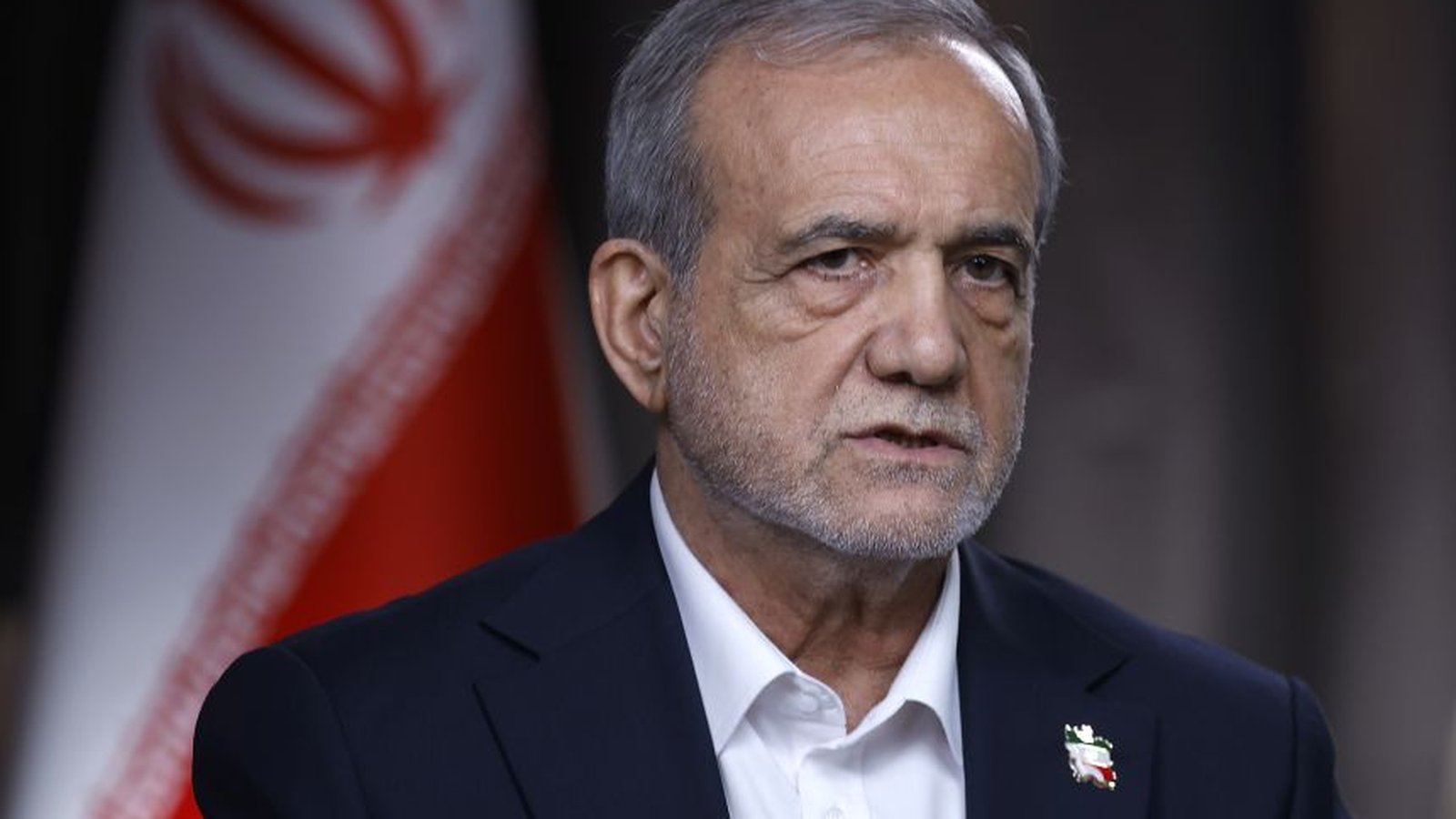
Iranian President Masoud Pezeshkian has navigated a turbulent tenure defined by existential threats and internal political volatility. Since assuming office following the 2024 death of his predecessor, Ebrahim Raisi, Pezeshkian has functioned as a pragmatic, albeit constrained, leader during a period of intense conflict with the United States and Israel.
The Wartime Presidency
Pezeshkian’s administration has been marked by a shift in the balance of power. According to reports from CNN and Amwaj.media, the security and military establishments—most notably the IRGC—have assumed de facto control over major state decisions following the death of Supreme Leader Ayatollah Ali Khamenei in February 2026. Pezeshkian’s role has largely been relegated to the administration of domestic affairs and the implementation of directives from the Supreme National Security Council.
Despite persistent rumors of his resignation, fueled by opposition media and internal friction, the president has maintained his position. His team has actively dismissed such reports, framing them as attempts to destabilize the government during a critical juncture. Observers note that his survival is partly due to his willingness to defer to the security establishment, which has allowed him to secure cabinet approvals and maintain a degree of administrative continuity.
Domestic Challenges and Public Perception
In a statement on June 12, 2026, Pezeshkian acknowledged the severe imbalances facing the nation, including water, electricity, and energy crises, alongside the economic fallout of the war. He emphasized that resolving these issues requires “public participation and resilience,” a narrative that contrasts with the hardline rhetoric often emanating from the security apparatus.
His “folksy” approach—ranging from public apologies to visible, informal interactions with citizens—has earned him a measure of support among a population weary of economic hardship and social restrictions. However, this popularity remains fragile. As one Tehran resident noted, public sentiment is driven by “real results,” and many Iranians remain skeptical of whether any single leader can address systemic issues rooted in the state structure itself.
The Road Ahead
With reports of a potential US-Iran ceasefire agreement circulating, Pezeshkian faces a new set of challenges. While a transition to peace may alleviate wartime pressure, it may also diminish the “rally-around-the-flag” effect that has bolstered his standing. The critical question remains: can Pezeshkian leverage his wartime credibility to expand the scope of the presidency, or will the office remain permanently subservient to the security state?
Ultimately, Pezeshkian’s tenure serves as a case study in the limits of reformist governance in a highly securitized environment. His ability to deliver on social freedoms and economic stabilization will likely define his legacy, provided he can navigate the competing interests of Iran’s power brokers.