


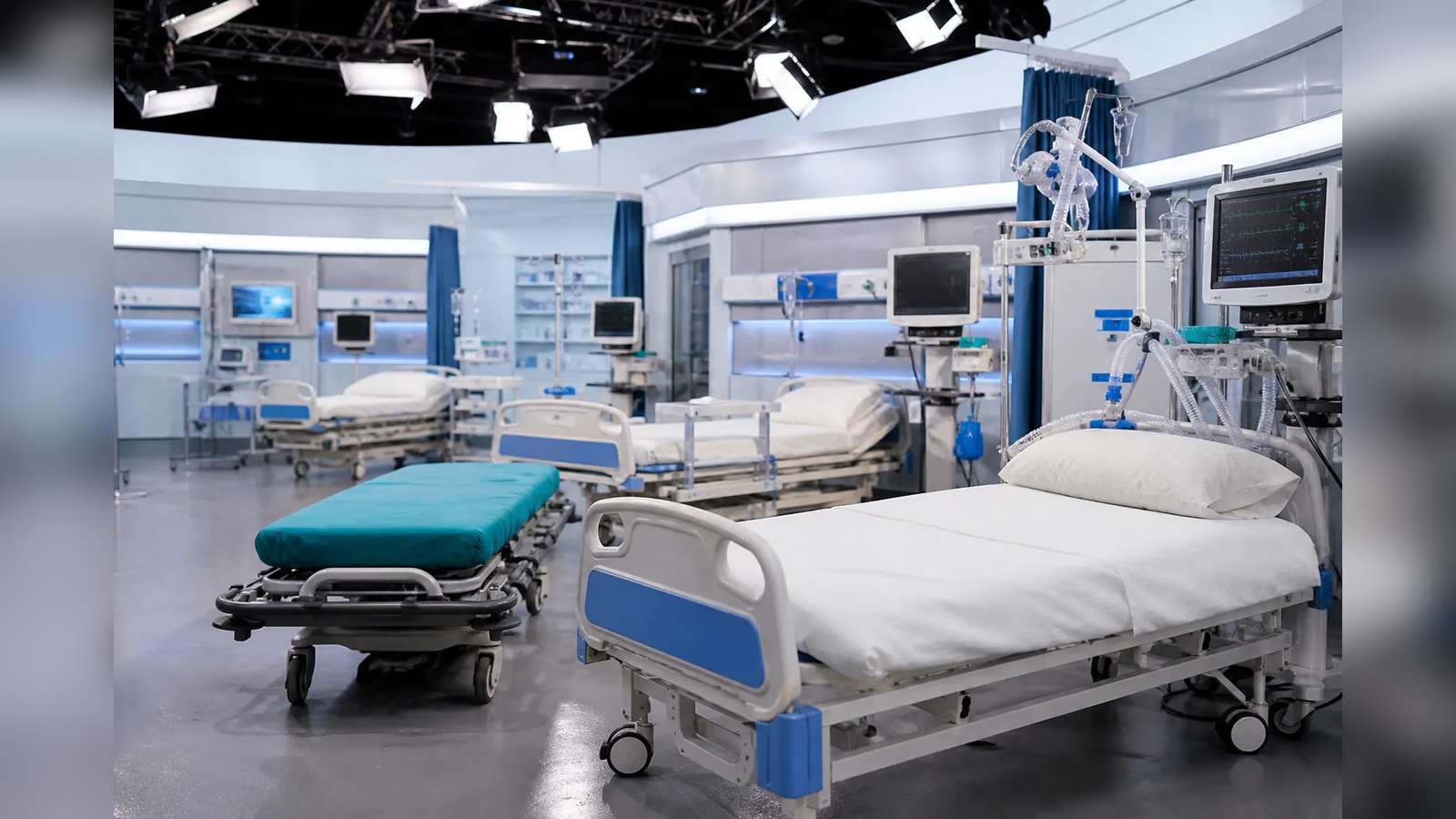
Singapore’s national broadcaster, Mediacorp, has highlighted the technical architecture of its studio-based hospital sets, which are designed to support multiple simultaneous productions while maintaining high standards of realism. As filming in operational medical facilities presents significant logistical hurdles, the broadcaster has invested in modular spaces that can be rapidly reconfigured to suit varying script requirements.
According to Mediacorp senior production designer Chen Jia Gu, the studio space is built to be non-specific, preventing sets from becoming overly recognizable across different drama series. The modular nature of the design allows production teams to transform a standard four-bed Class B ward into a premium Class A suite simply by adjusting fixtures like washbasins and bathroom elements. This flexibility is essential for accommodating the diverse aesthetic and plot needs of various ongoing projects.
Authenticity remains a priority for the production team, which utilizes functional medical equipment, including hospital beds, trolleys, and heart rate monitors. Chen noted that the heart rate monitors are among the most expensive components on the set, serving the dual purpose of providing visual accuracy and the characteristic ambient sounds of a clinical environment. To further enhance production value, the sets include realistic medical consumables such as bandages and oxygen masks.
The engineering of these sets requires precise coordination between departments. Before construction, the team develops detailed floor plans and 3D models to ensure that cinematographers and lighting specialists can navigate the space effectively. A significant technical challenge involves the absence of ceilings, which are omitted for safety and lighting access. Consequently, camera crews must meticulously select angles to avoid capturing studio infrastructure, while heavy iron frames are utilized to stabilize walls that lack overhead support.
For period-specific dramas, such as Brighter Days, designers have demonstrated the ability to adapt the environment to represent different eras, such as the 1990s, by incorporating period-accurate furniture like wooden bed headboards and utilizing vinyl stickers to alter color schemes instantly. The inclusion of windows in corridors also provides directors with greater spatial depth, allowing for complex tracking shots and varied perspectives within the confined studio environment.