


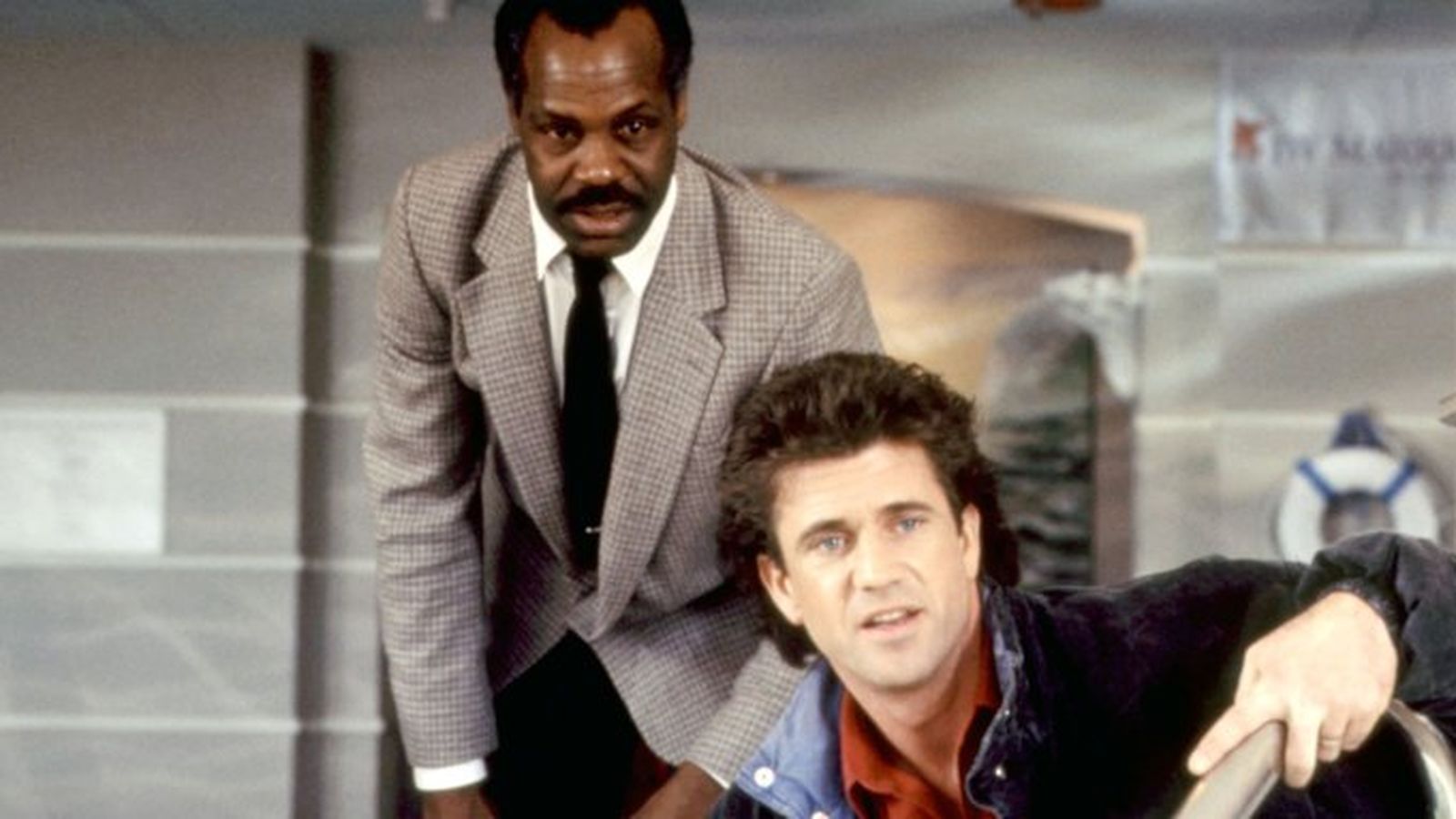
A Franchise in Limbo
Actor and director Mel Gibson has provided a candid update on the long-gestating sequel Lethal Weapon 5, describing the project as being trapped in what he termed “some kind of industrial film hell.” During an appearance at Fan Expo Boston, Gibson expressed frustration over the film’s inability to move forward, despite having a completed script that he believes surpasses all previous entries in the iconic action franchise.
The production, which would mark the return of the buddy-cop duo Martin Riggs and Roger Murtaugh, has faced significant hurdles following the death of original director Richard Donner in 2021. Gibson, who was tapped to take over directorial duties at the late filmmaker’s request, noted that he and writer Richard Wenk finalized the script with an eye toward what Donner would have wanted. “I think that the fifth script is better than all of the others,” Gibson told Collider, adding, “But it’s tied up in some kind of industrial film hell that you can’t extract it from to make it.”
Corporate Restructuring and Delays
Gibson pointed to the turbulent landscape of Hollywood media mergers as the primary culprit for the delay. The Lethal Weapon franchise is currently under the umbrella of Warner Bros. Discovery, a studio undergoing a complex acquisition process involving David Ellison’s Paramount Skydance. Gibson suggested that Warner Bros. “got into some quicksand” during this period, causing the project to be shelved indefinitely.
“Now I think this David Ellison guy over at Paramount has absorbed or will absorb Warners,” Gibson stated. “Maybe they’ll take the chains off that one, and you might see that in another year or so.” Representatives for Warner Bros. Discovery have not provided comments regarding the status of the film.
A Shift in Tone
Despite the production stalemate, Gibson offered a glimpse into the creative direction of the potential sequel. He emphasized that the film would avoid the high-octane, explosion-heavy spectacle characteristic of the earlier installments, opting instead for a more grounded, character-driven narrative.
“They’re older. One’s retired. The other one’s on a desk job. He’s putting on too much weight, and it’s low-tech,” Gibson explained. He noted that while the film would lack the “big explosions,” it would retain the “energy and drive of a big action film.” This shift aligns with the aging status of the protagonists, mirroring the real-world passage of time since the original 1987 debut.
The Shadow of Controversy
The development of Lethal Weapon 5 occurs against a backdrop of enduring public scrutiny regarding Mel Gibson’s personal history. Following a high-profile 2006 arrest for driving under the influence, during which he directed antisemitic remarks at a law enforcement officer, and a 2010 incident involving leaked audio recordings, Gibson saw his Hollywood standing diminish significantly. While he made a career pivot toward directing with the Oscar-nominated Hacksaw Ridge in 2016, public discourse frequently revisits these past controversies whenever he attempts to spearhead major studio projects, raising questions about the commercial viability of a high-budget sequel led by a polarizing figure.