


A Public Health Crisis in Victoria
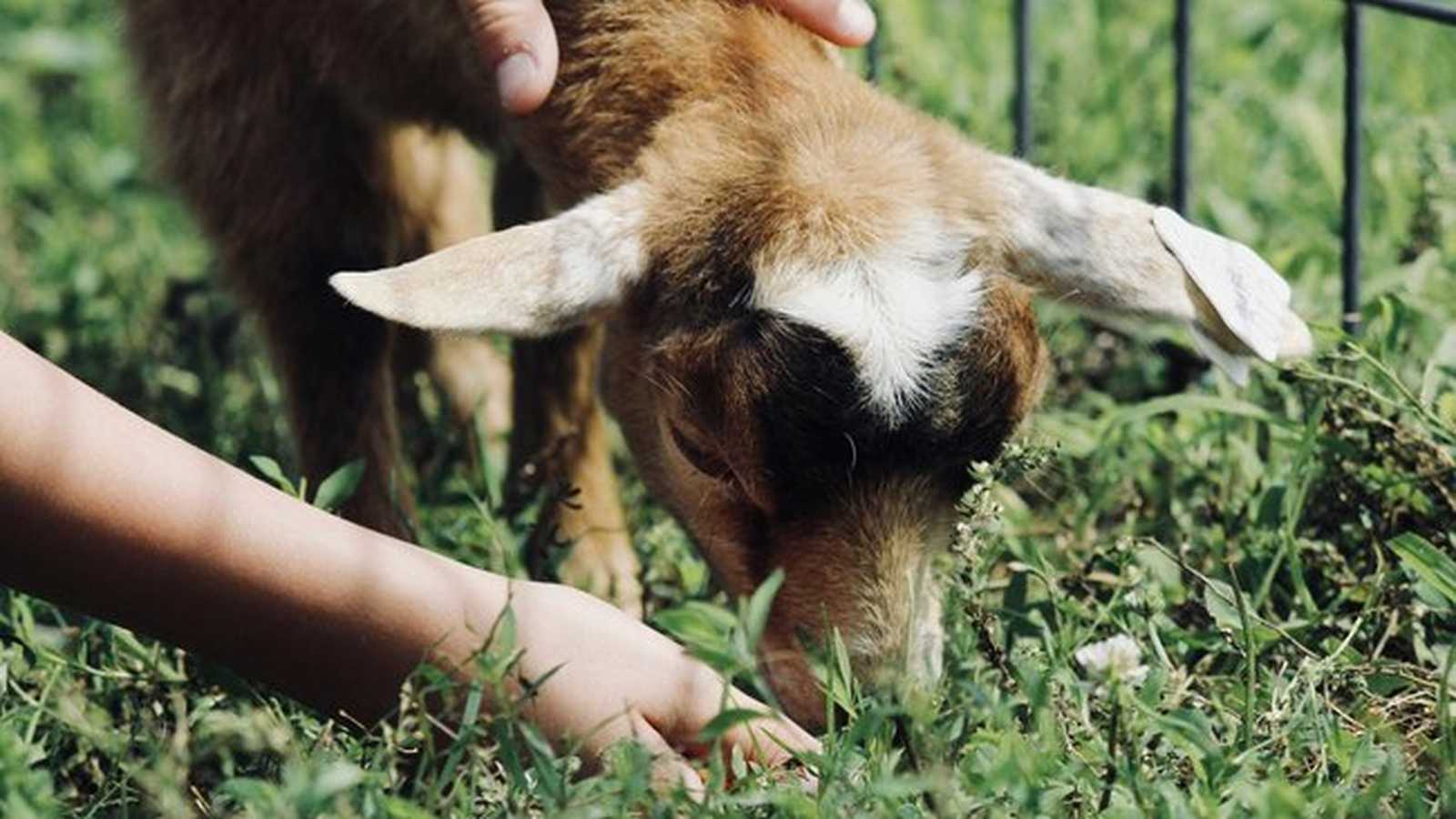
Health authorities in Victoria are investigating a distressing rise in Shiga toxin-producing Escherichia coli (STEC) cases, following reports that two young children were hospitalized with life-threatening complications after visiting a Melbourne petting zoo. The incidents, which occurred in the wake of a birthday celebration, have left one three-year-old girl with permanent brain damage and a two-year-old boy, Noah, requiring three weeks of intensive care for acute kidney failure.
The Victorian Department of Health reported 169 confirmed incidents of STEC in 2026, marking an increase from 144 cases during the same period in 2025. While Deputy Chief Health Officer Dr. Clare Looker suggests the rise in notifications may be partially attributed to improved diagnostic and reporting mechanisms, the clinical outcomes for these children highlight the severe risks associated with animal-borne pathogens.
The Nature of the Infection
STEC is a bacteria naturally carried in the gastrointestinal tracts of healthy farm animals, particularly cattle, sheep, and goats. It is transmitted to humans primarily through contact with animal feces or contaminated environments. In the cases reported in Melbourne, the symptoms initially mirrored common gastroenteritis—vomiting, fever, and bloody diarrhea—making early diagnosis challenging for parents.
The infection can progress into hemolytic uremic syndrome (HUS), a dangerous condition that damages red blood cells and leads to kidney failure. According to medical experts, including Dr. Nick Larkins from Perth Children’s Hospital, the severity of HUS in toddlers necessitates a more robust framework for public awareness and warning systems at venues featuring animal interaction.
Institutional Response and Prevention
While the petting zoo involved in the Melbourne incident reportedly adhered to all standard hygiene protocols, health officials are now emphasizing the need for heightened vigilance. Associate Professor Suman Majumdar of the Burnet Institute advises that families must maintain strict hygiene practices, such as thorough hand washing immediately following any animal contact, and keeping food, drinks, and personal items like toys away from animal-inhabited areas.
The Department of Health continues to investigate all reported cases of HUS to identify potential sources and mitigate further spread. As the investigation proceeds, the focus remains on balancing the community’s access to educational animal-contact venues with the imperative of protecting vulnerable populations from preventable, yet potentially catastrophic, health outcomes.