


Public Health Crisis Escalates in Michigan
Michigan state health officials are currently working to identify the origin of an unprecedented surge in Cyclospora cayetanensis infections. As of Wednesday morning, the Michigan Department of Health and Human Services (MDHHS) reported 992 cases of cyclosporiasis, a sharp increase from the 708 cases recorded just two days prior. The outbreak has spread across at least 21 counties, marking the largest instance of the parasitic illness in the state’s history.
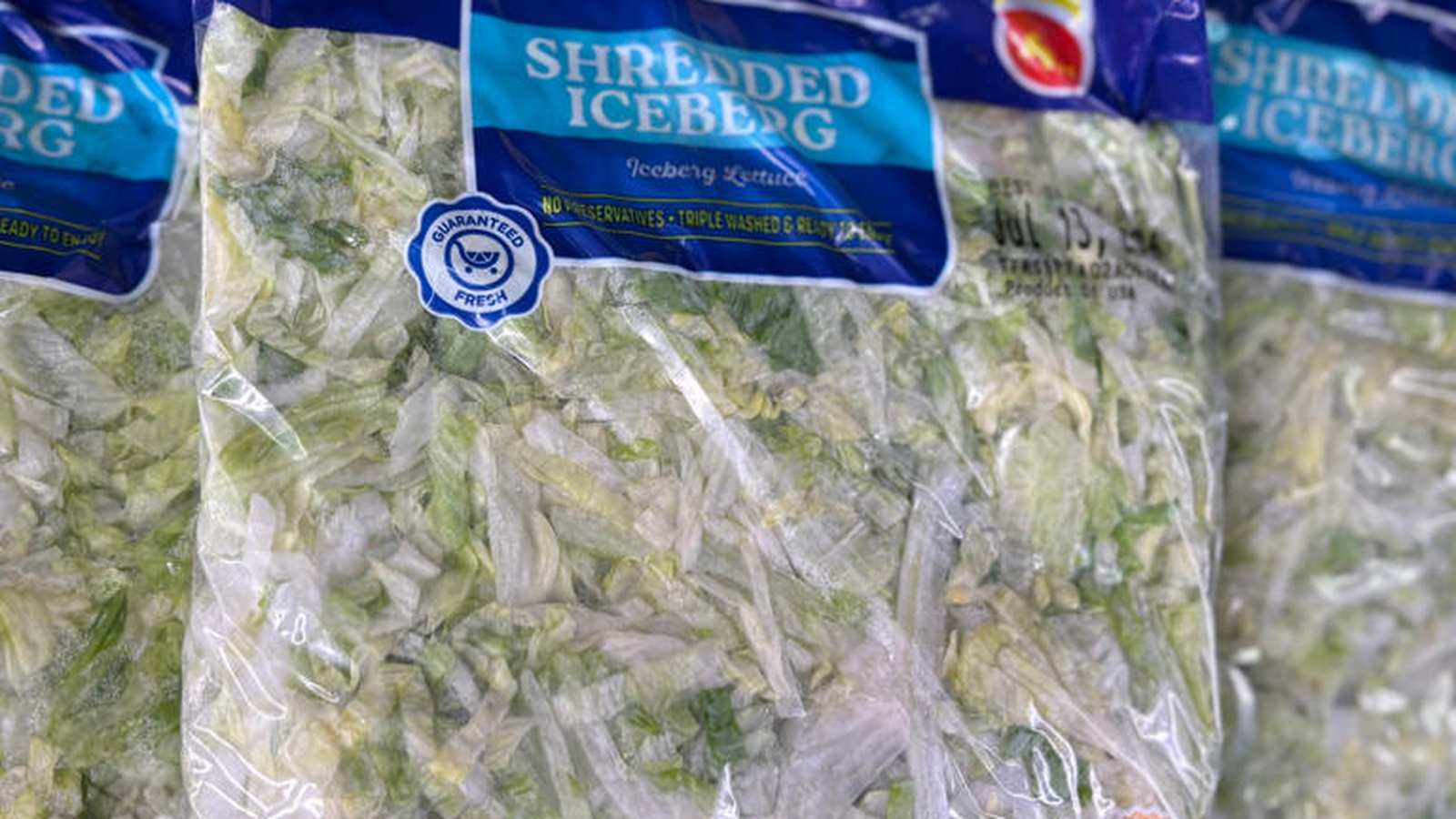
Dr. Natasha Bagdasarian, Michigan’s chief medical executive, confirmed that while no specific produce grower or supplier has been identified as the source, the state is prioritizing fresh produce as the primary hypothesis. Previous national outbreaks have been linked to items such as bagged lettuce, cilantro, and raspberries. To narrow down the culprit, local health departments are conducting rigorous interviews with those infected to cross-reference food exposure histories, grocery locations, and restaurant visits.
The Challenge of Traceability
The investigation into this outbreak highlights the persistent difficulties in tracking foodborne pathogens. Unlike salmonella or E. coli, which often present with more immediate and distinct symptoms like nausea and vomiting, cyclosporiasis typically causes watery, explosive diarrhea that can persist for weeks and recur in cycles. Because the incubation period can take up to 14 days, connecting a specific meal to an illness is complex.
Public health experts, including Ewen Todd, a former director of the National Food Safety and Toxicology Center at Michigan State University, note that identifying the exact source—whether it be contaminated irrigation water or an infected worker at a processing facility—remains a major forensic hurdle. Furthermore, the Bureau of Laboratories in Michigan is utilizing whole genome sequencing to compare genetic fingerprints of the parasite samples, hoping to determine if the cases stem from a single, centralized contamination point.
National Context and Prevention
While the Michigan surge is localized in its intensity, the Centers for Disease Control and Prevention (CDC) monitors cyclosporiasis cases nationally, particularly during the summer months. Other states, including Ohio, New York, and Illinois, have also reported significant numbers of infections. While the CDC has stated there is currently no formal evidence linking these clusters into a single, multistate outbreak, the scale of the Michigan incident has triggered a heightened level of surveillance.
Health officials advise the public to remain vigilant with food hygiene. Recommendations include scrubbing fresh produce thoroughly with a brush and, where possible, opting for whole heads of lettuce or fruits that can be peeled and washed. For those experiencing persistent gastrointestinal distress, medical professionals emphasize the need for specific stool testing, as standard panels for food poisoning often fail to detect the Cyclospora parasite.