


A Major Judicial Milestone
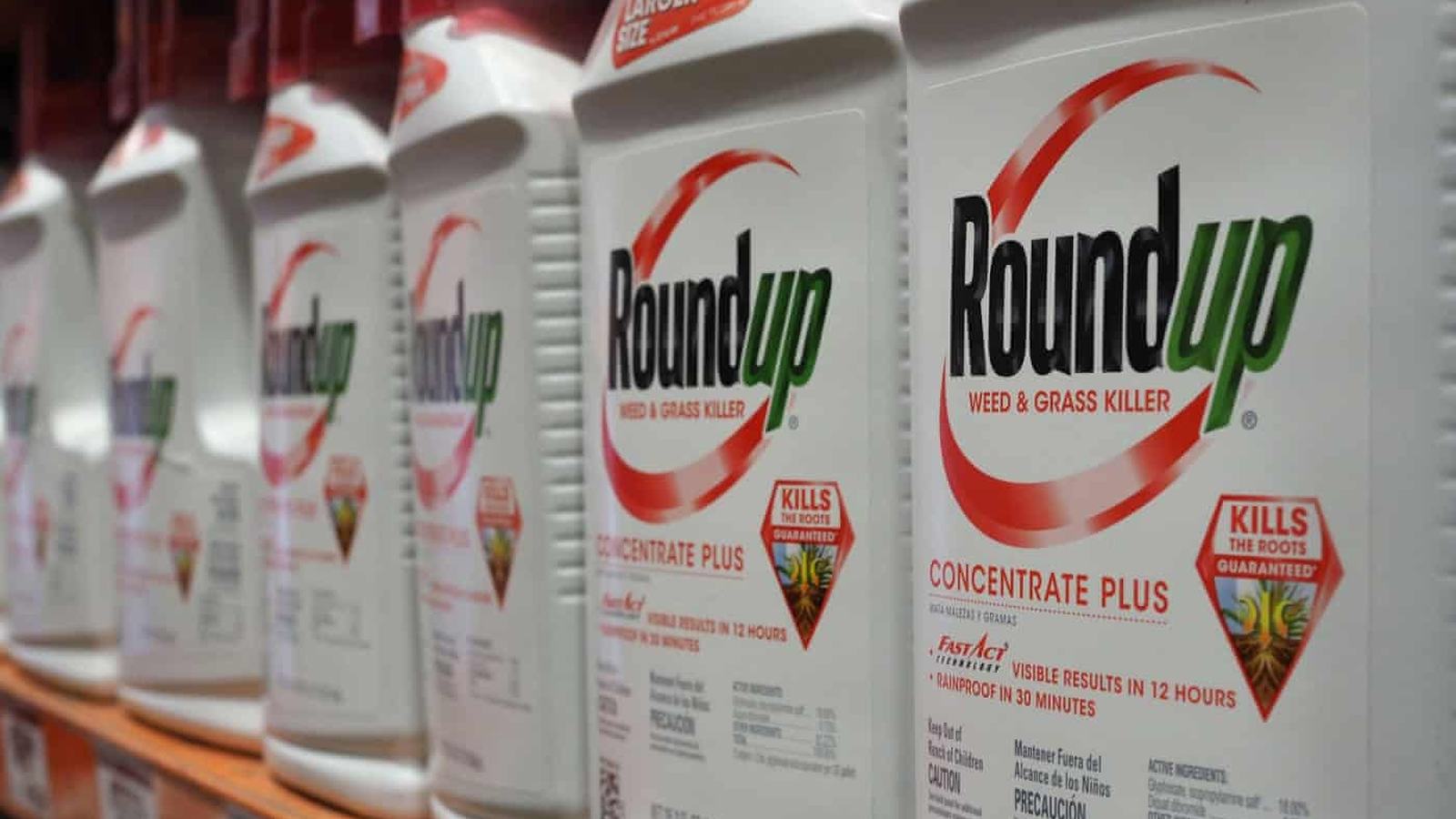
On November 20, 2026, a Missouri state court judge formally approved a $7.25 billion settlement agreement between agrochemical giant Bayer and thousands of plaintiffs alleging that the company’s Roundup weedkiller causes non-Hodgkin lymphoma. St. Louis Circuit Judge Timothy Boyer, who presided over the case, described the settlement as “fair, reasonable and adequate” in his written judgment, overruling objections from some claimants who argued that individual compensation amounts were insufficient compared to previous private settlements. The judge emphasized that further delays could leave victims, including those with terminal conditions, waiting an indeterminate number of years for compensation, effectively prioritizing immediate resolution over the potential for lengthy appeals.
This judicial ruling represents a critical juncture in a decade-long legal battle that has significantly impacted Bayer’s market valuation and corporate strategy since its $63 billion acquisition of Monsanto in 2018. The settlement is designed to address both current and future claims across the United States. According to the Boston Herald, reporting on the AP wire, individual payouts are expected to range from $10,000 to $165,000, determined by factors such as age at diagnosis, product usage history, and the severity of the illness. This massive financial commitment underscores the company’s urgent need to stabilize its legal exposure, which has seen its share price decline by 46% since the acquisition.
Legal Context and Supreme Court Influence
The resolution of these mass tort claims follows a major shift in the legal landscape regarding pesticide liability. In June 2026, the U.S. Supreme Court issued a 7-2 ruling that significantly weakened the plaintiffs’ legal position. The court held that federal regulations governing pesticide labeling preempted state-level “failure-to-warn” claims, effectively barring plaintiffs from suing Bayer in state courts on that specific ground. This ruling undercut one of the central arguments used in thousands of Roundup-related lawsuits, including the case of John Durnell, where the court overturned a $1.25 million jury award.
As The Guardian reported, this precedent-setting decision influenced the settlement negotiations by altering the risk-reward calculation for both sides. While some attorneys for the plaintiffs initially pushed for larger awards, the Supreme Court decision introduced a high probability that many pending cases would fail in court, making the settlement a more secure path to compensation for victims. Bayer’s U.S. general counsel and global litigation leader, Bill Dodero, noted that recent jury verdicts, including an October 2026 victory for the company in Missouri, signal that plaintiffs face growing challenges in pursuing these claims. The October verdict, which addressed allegations of design defects and negligence, is viewed as a bellwether for the company’s ability to defend its remaining litigation.
Corporate Strategy and Future Implications
Bayer has consistently maintained that Roundup and its active ingredient, glyphosate, are safe when used according to instructions, citing decades of scientific studies. Despite this, the company has faced approximately 200,000 claims over the years. The $7.25 billion settlement is part of a broader effort to mitigate litigation risks that have plagued the company since the 2018 acquisition. CEO Bill Anderson stated that the court’s final approval is a “decisive milestone” in the company’s strategy to stabilize its legal exposure. Bayer has previously reached a $10.9 billion settlement in 2020, but struggled to gain court approval for mechanisms intended to resolve future claims, making this current victory in St. Louis essential for long-term corporate health.
The settlement does not resolve every legal challenge. Approximately 200 cases currently pending in federal courts remain outside the scope of this state-level agreement. Bayer intends to leverage the recent Supreme Court guidance to defend these remaining cases. Meanwhile, the company has already taken proactive steps to reduce future liability by removing glyphosate from new versions of Roundup sold for the residential home and garden markets, shifting its focus toward agricultural applications where the product remains a staple of modern farming practices. While the World Health Organization’s International Agency for Research on Cancer classified glyphosate as “probably carcinogenic” in 2015, the U.S. Environmental Protection Agency continues to maintain that it is not likely to cause cancer in humans when used as directed, creating a persistent divergence between regulatory and legal outcomes.
The Stakes of Mass Tort Resolution
The scale of this agreement—covering both current and future claims—is among the largest in the history of mass tort personal-injury class action settlements. By effectively capping the financial liability, Bayer aims to move past the uncertainty that has stifled its investment potential and market confidence. For the plaintiffs, the approval provides a definitive, albeit limited, recovery path. Legal experts note that the combination of the Supreme Court’s preemption ruling and the judge’s approval of this settlement creates a high barrier for any future litigation that does not align with federal labeling standards. As the company moves forward, it faces the dual challenge of continuing to supply essential agricultural tools while managing the lingering reputational fallout from its acquisition of Monsanto. The decision on November 20, 2026, serves as the final, necessary hurdle for Bayer to clear the majority of its Roundup-related legal backlog, allowing the firm to reallocate resources away from courtroom defenses and toward its core agrochemical business and innovation pipeline.