


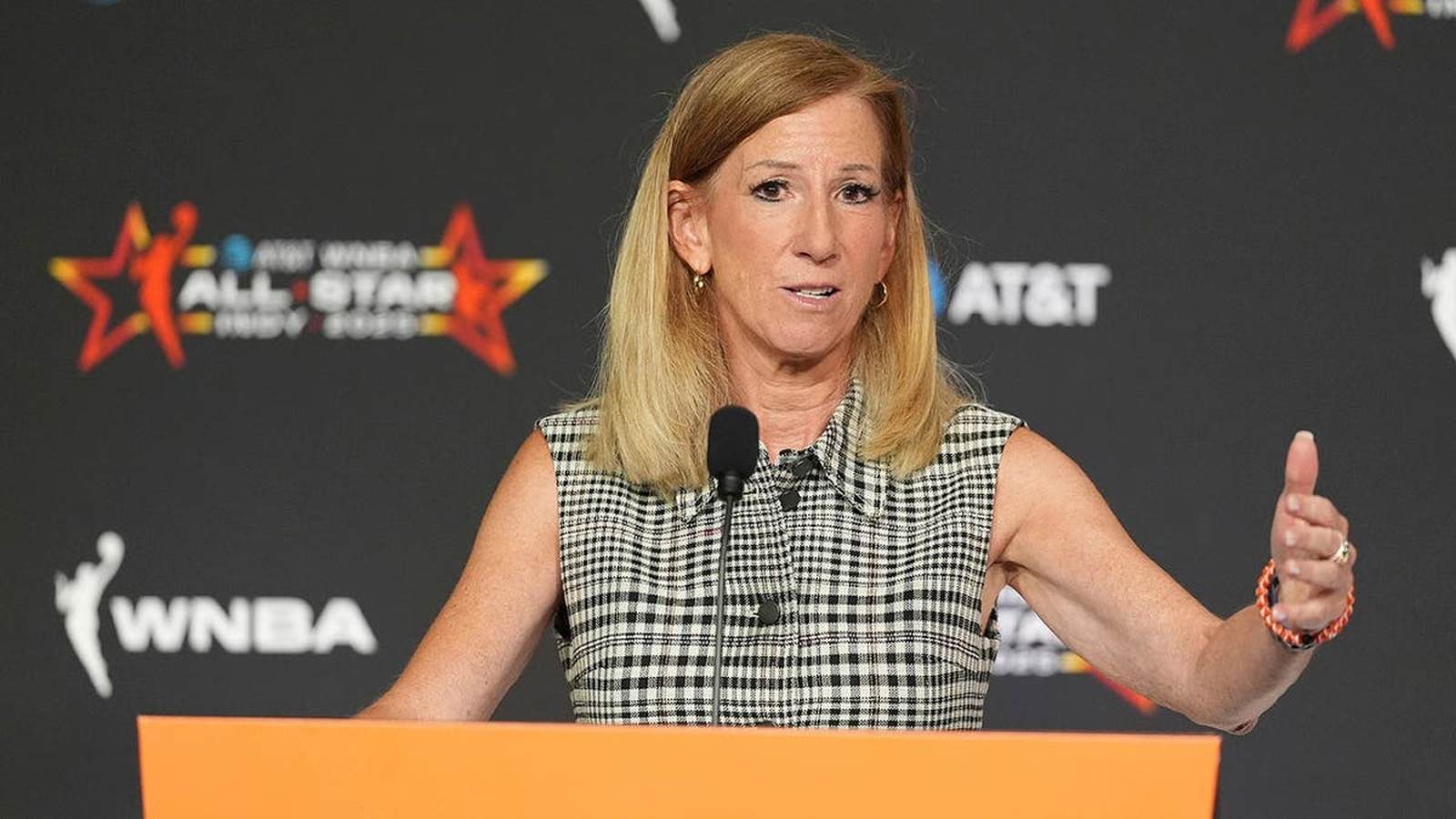
NEW YORK (Chicago Tribune) – On November 16, 2026, the WNBA officially initiated its search for a successor to outgoing Commissioner Cathy Engelbert, setting the stage for a critical leadership transition that will test the league’s ability to balance commercial expansion with labor stability. According to Chicago Tribune reporting, the candidate pool includes more than a dozen contenders, though formal interviews have not yet commenced. While Engelbert was originally scheduled to step down at the end of December 2026 after an eight-year tenure, league officials confirmed that she could remain in the role into 2027 if a replacement has not been finalized by the end of the calendar year.
This transition period highlights the critical need for a successor capable of reconciling the league’s rapid commercial growth with historically strained relationships between the commissioner’s office and players. During Engelbert’s final Board of Governors meeting on November 16, 2026, in New York, representatives from all 15 active teams were present alongside officials from upcoming expansion franchises in Cleveland, Detroit, and Philadelphia. NBA Commissioner Adam Silver also attended the session, which followed annual competition committee meetings held earlier in the week at WNBA headquarters.
Leadership Legacy and Commercial Growth
Engelbert took the helm as the league’s first commissioner in 2019, succeeding Lisa Borders. Over her tenure, the WNBA achieved unprecedented financial milestones, driven by record popularity, expanded broadcasting rights deals, and rising compensation structures that pushed player salaries past the one-million-dollar mark annually. Most recently, the league concluded a historic seven-game Finals series in which the Golden State Valkyries defeated the Atlanta Dream.
Concurrently, the league’s competitive footprint is expanding significantly. The WNBA announced plans to lengthen its regular season to 50 games starting in 2027, representing the longest schedule in league history. This structural growth compounds the operational demands awaiting the next commissioner, who will inherit a complex portfolio of pressing administrative challenges.
Pending Challenges for the Next Administration
The incoming leader will face immediate policy hurdles, including officiating standards, scheduling complexities, ongoing debates regarding transgender athlete policies, and the fundamental task of repairing relations with the player base. Although Engelbert presided over immense financial gains, her rapport with athletes was frequently characterized as professional yet distant. New York Liberty star Breanna Stewart captured the sentiment by noting that players “respect” Engelbert, underscoring a dynamic where cordiality often masked underlying tensions.
If the league fails to secure a permanent external candidate before the December 31, 2026 deadline, Engelbert’s potential extension provides a temporary bridge. Alternatively, COBRA Magazine noted that the league could consider NBA Deputy Commissioner Mark Tatum, who previously served as interim WNBA commissioner for nine months prior to Engelbert’s appointment. As the candidate selection process narrows, the league’s stakeholders face a pivotal juncture in defining the future trajectory of women’s professional basketball.
Internal and External Contenders in the Mix
As the search moves forward, sports industry observers have highlighted several prominent names who could enter the formal interview process. Potential internal and external candidates span front-office executives, former players, and corporate leaders who understand the distinct ecosystem of women’s professional sports. Among the names discussed across league circles are Swin Cash, Keia Clarke, Bethany Donaphin, Tanya Hvizdak, Nneka Ogwumike, and Jess Smith, each bringing distinct qualifications from team management, marketing, operations, or player representation backgrounds.
Swin Cash, a Naismith Memorial Basketball Hall of Famer, brings extensive front-office experience with the WNBA’s New York Liberty and the NBA’s New Orleans Pelicans, alongside a background as a broadcast analyst. Keia Clarke has served as CEO of the New York Liberty since 2020, managing all business aspects of a franchise that has experienced substantial commercial growth over the past seven years. Bethany Donaphin, currently the WNBA’s head of operations, has worked closely with league leadership since 2016 and holds an MBA from the Wharton School, though her close association with Engelbert’s administration could draw scrutiny from players seeking a distinct break from past practices.
Tanya Hvizdak, a vice president of global sports marketing at Nike, brings decades of experience managing major athletic partnerships and marketing rollouts for prominent basketball stars. Jess Smith has served as team president for the Golden State Valkyries since 2024, helping guide the expansion franchise to an inaugural playoff appearance and a milestone valuation. Meanwhile, WNBPA President Nneka Ogwumike has been frequently cited for her deep-rooted player trust and leadership through complex collective bargaining negotiations, though transitioning directly from player representation to executive league management would represent an unprecedented path.
Ultimately, the incoming commissioner will need to balance the immense logistical requirements of a 50-game regular season and expanding franchise footprint with the imperative of fostering open, collaborative dialogue with athletes and team owners alike. Whether the Board of Governors selects an executive with a traditional corporate background or an individual with direct franchise and player-side experience, the decision will permanently shape the WNBA’s next era of commercial and athletic evolution.