

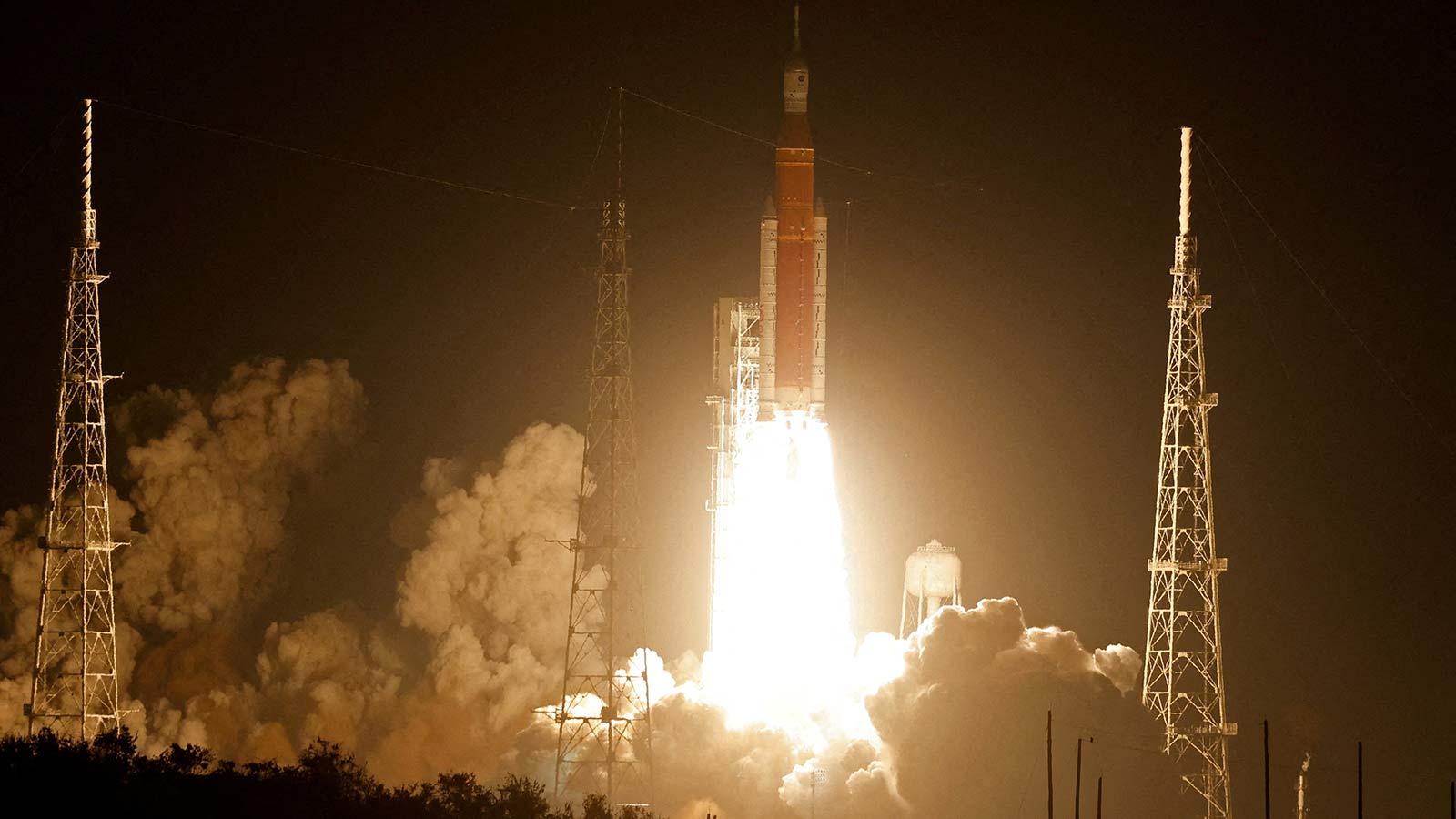
Quick Read
- NASA is opening lunar mission bids to new competitors due to SpaceX delays.
- Blue Origin and other American companies are invited to challenge SpaceX’s contract.
- China aims to land astronauts on the Moon by 2030, intensifying the space race.
- Artemis III, the US mission to land on the Moon, faces timeline uncertainty.
- Elon Musk insists SpaceX will deliver despite setbacks.
NASA Pushes for Competition as SpaceX Faces Delays
In a move that signals shifting priorities and growing urgency, NASA has announced plans to open up bidding for its flagship Moon mission contract, citing delays from current contractor SpaceX. The decision comes as the United States finds itself in a new space race—not just among American companies, but with China’s rapidly advancing lunar ambitions.
NASA Administrator Sean Duffy, speaking on Fox News and later reiterating his stance on X, emphasized the need for speed and innovation. “We’re in a race against China, so we need the best companies to operate at a speed that gets us to the Moon FIRST,” Duffy declared, referencing the agency’s commitment to landing astronauts on the lunar surface before China reaches its own milestone.
SpaceX, led by Elon Musk, currently holds a $2.9 billion contract to develop the Human Landing System (HLS) for Artemis III—the mission intended to return humans to the Moon, specifically its South Pole, for the first time in over half a century. However, multiple setbacks have plagued the program, pushing timelines out and raising concerns that the US could lose its edge. Duffy’s remarks make it clear: NASA is ready to invite competitors, such as Jeff Bezos’s Blue Origin and potentially others, to bid for a role in humanity’s next lunar chapter.
Why the Urgency? China’s Rapid Progress Fuels US Response
The renewed competition isn’t just about American enterprise. China has been vocal about its goal to land taikonauts—Chinese astronauts—on the Moon by 2030, an ambition that has injected fresh urgency into NASA’s plans. “The president and I want to get to the Moon in this president’s term, so I’m going to open up the contract,” Duffy explained, referencing pressure from President Donald Trump’s administration to accelerate the Artemis program’s schedule.
China’s progress has not gone unnoticed. With state-backed funding and a clear national mandate, Beijing’s lunar program is racing ahead, prompting US lawmakers and industry experts to worry about losing symbolic and strategic ground. The Artemis program, first announced during Trump’s initial term, was envisioned as a leap not just to the Moon, but ultimately to Mars. Now, the focus has narrowed: beat China to the lunar surface.
Industry Reaction: SpaceX Defiant, Blue Origin Poised
Elon Musk’s response to NASA’s announcement was swift and unapologetic. Taking to X, he insisted, “They won’t. SpaceX is moving like lightning compared to the rest of the space industry. Moreover, Starship will end up doing the whole Moon mission. Mark my words.” Musk’s confidence underscores the competitive spirit now driving US space policy, but it also highlights the challenges SpaceX faces.
The Starship system, central to SpaceX’s lunar plans, remains in development. The vehicle has experienced three in-flight failures and several successful suborbital tests in 2025, but experts and NASA officials worry that its complexity could jeopardize timely mission delivery. Meanwhile, Blue Origin, founded by Amazon’s Jeff Bezos, has already secured a contract for Artemis V and stands ready to compete for new opportunities. “I think we’ll see companies like Blue get involved, and maybe others,” Duffy speculated.
Industry analysts have noted that NASA’s 2021 decision to award the lunar lander contract solely to SpaceX has come under renewed scrutiny. Calls for increased competition reflect both technological risk and strategic concerns about relying on a single provider.
The Stakes: Artemis Timeline and US Lunar Ambitions
The Artemis program’s timeline has become a focal point for debate. Artemis II, the next crewed mission to fly by the Moon, is currently scheduled for April 2026, with the possibility of an earlier launch in February. This mission will mark the first lunar flyby by humans in more than fifty years, carrying three American astronauts and one Canadian.
But the real race is for Artemis III—the mission to actually land on the lunar surface. Delays in SpaceX’s Starship development have raised concerns that the US could miss its window, especially as China’s program gathers momentum. Blue Origin’s Blue Moon lander, still under development, could provide NASA with a valuable alternative, especially if SpaceX continues to struggle with technical challenges.
“We intend to keep that commitment,” said Lakiesha Hawkins, a top NASA official, at a recent press briefing, referencing the agency’s pledge to return humans to the Moon. Still, the shifting competitive landscape means NASA must balance technological innovation with practical delivery.
The Road Ahead: Innovation, Competition, and Geopolitical Stakes
NASA’s decision to open its Moon mission contracts to new bidders is about more than just technical capability. It’s a recognition that innovation thrives in competitive environments, and that America’s space leadership depends on the agility of its private sector partners. Duffy’s call for “competition and innovation” is as much a message to US industry as it is to international rivals.
As the Artemis program evolves, the outcome will depend not only on rockets and landers, but on the ability of NASA, SpaceX, Blue Origin, and potentially other players to work together—and compete—at a pace that matches global ambitions. The US space agency’s strategy shift may redefine how lunar missions are developed, funded, and executed for years to come.
The symbolism of the Moon landing—the echo of Apollo, the promise of exploration—remains as powerful as ever. But this time, the race is defined by new stakes: technological supremacy, geopolitical rivalry, and the enduring drive to push human boundaries.
NASA’s pivot to open competition for lunar missions marks a watershed moment in American space policy. By inviting Blue Origin and others to challenge SpaceX’s lead, the agency is betting that rivalry will fuel both speed and ingenuity. With China’s lunar program looming, the US faces a historic test—not just of its rockets, but of its resolve to remain first among the stars.