


Emergency Response and Service Disruptions
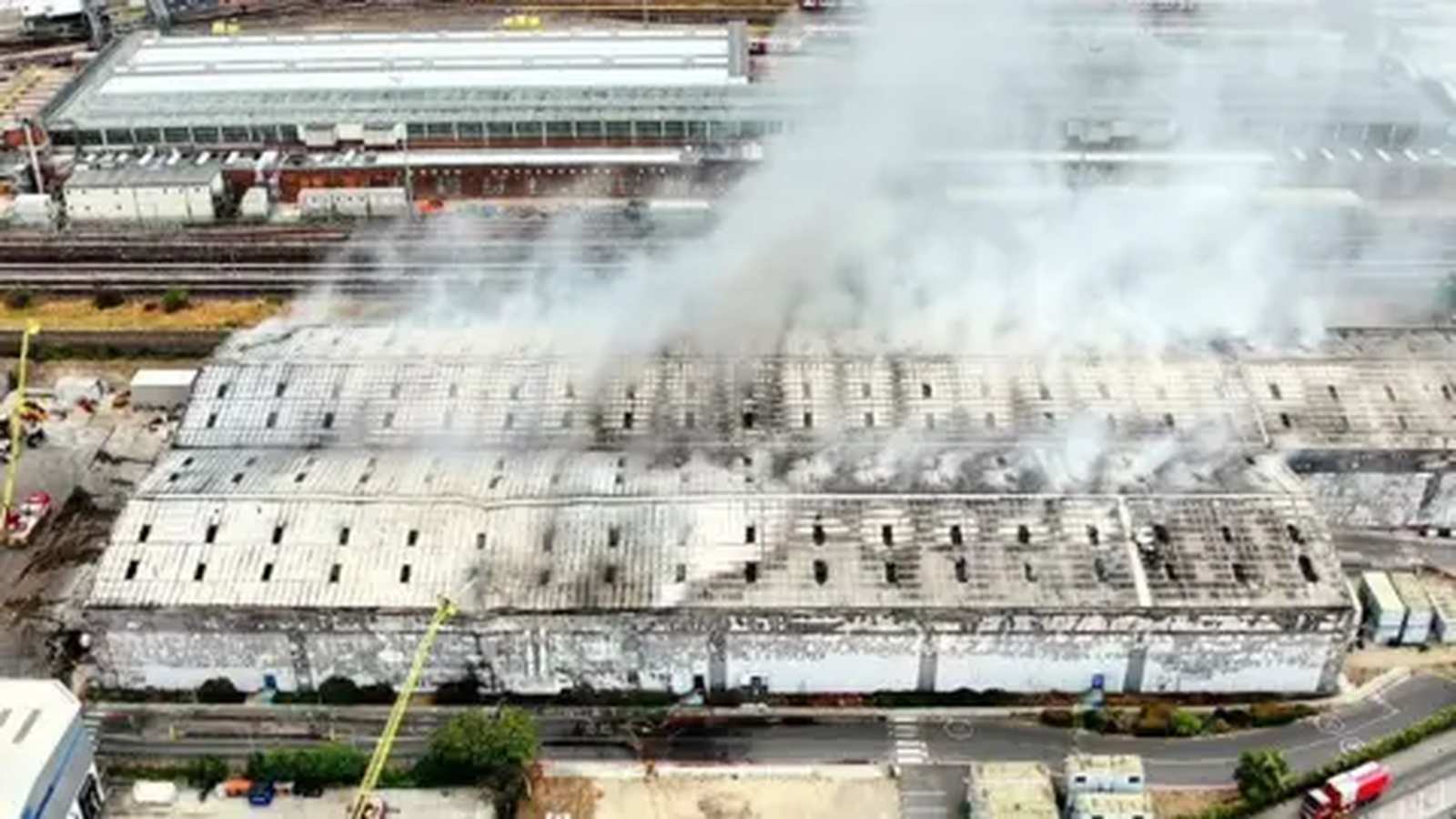
A major fire at a waste transfer facility in Neasden, north-west London, has triggered significant disruptions across the city’s rail and underground networks. The London Fire Brigade (LFB) was alerted to the blaze at an industrial estate on Hannah Close shortly after 11:30 BST on Friday, August 28, 2026. Approximately 125 firefighters and 20 fire engines were deployed to contain the fire, which occurred near Wembley Stadium and produced smoke plumes visible across central London.
Transport for London (TfL) confirmed that the proximity of the blaze to key infrastructure necessitated immediate service suspensions. The Metropolitan line faced a total shutdown for several hours during the afternoon, later transitioning to partial service with suspensions between Harrow-on-the-Hill and Aldgate. The Jubilee line also experienced closures between Wembley Park and West Hampstead, with severe delays affecting the remainder of the line. National Rail reported that services to and from London Marylebone were disrupted as train lines to Aylesbury were impacted by the incident.
Industrial Site and Safety Measures
The affected industrial unit measures approximately 100m by 150m. The facility is operated by London Energy, a company owned by the North London Waste Authority, which manages waste disposal for several London boroughs, including Barnet, Camden, and Islington. A spokesperson for London Energy confirmed that all employees were safely evacuated, and there were no reported injuries. As a precautionary measure, staff at a nearby Amazon delivery facility were also evacuated, though the company noted their site was not directly involved in the fire.
LFB Assistant Commissioner Andy Pennick described the incident as “protracted,” noting that crews would remain on-site for the remainder of the day to ensure the fire is fully extinguished. The cause of the blaze remains under investigation, with the LFB having received over 70 emergency calls reporting the incident.
Broader Implications for Waste Management
This incident marks the third major fire at a recycling centre in London this summer. Industry bodies, including the Environmental Services Association, have highlighted a growing trend of waste facility fires, often attributed to incorrectly discarded lithium batteries found in consumer electronics and vapes. These battery-related fires are estimated to cost the waste management industry approximately £1 billion annually, creating significant operational and safety challenges for fire services and transport operators alike.