


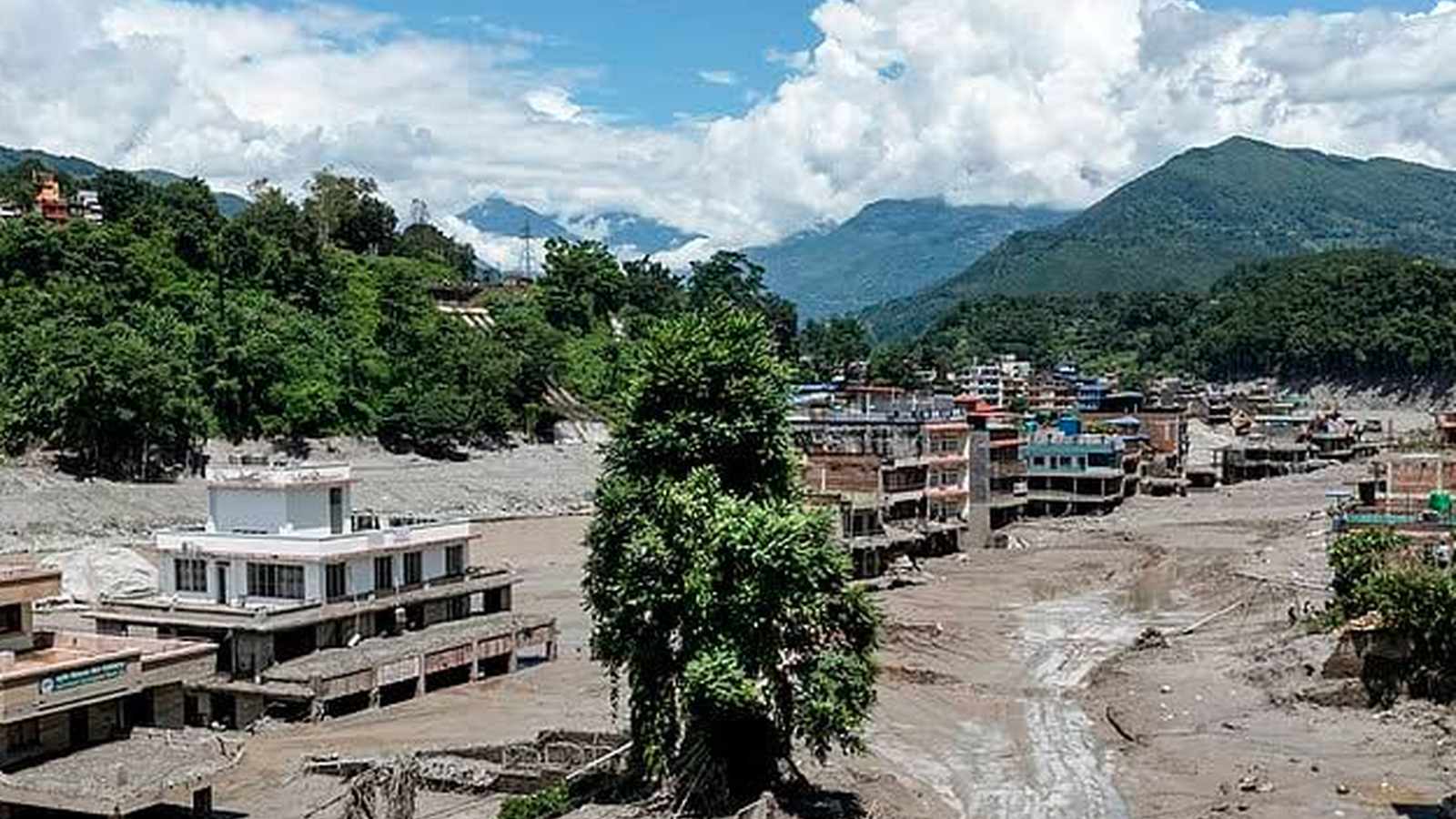
Fresh flash floods struck central Nepal early Sunday, sending a debris-laden torrent down the Budhi Gandaki River in the Gorkha district and sweeping away dozens of houses, suspension bridges, and parts of a local hydropower project, authorities said. The disaster unfolded as families and children across the region prepared to mark the first day of the Dashain festival, a major annual milestone in the Nepali calendar. According to the BBC, around 50 people have been rescued from along the riverbanks, while local officials confirmed that multiple individuals remain missing amid ongoing search operations.
Scale of Destruction and Rescue Efforts
The sudden surge heavily impacted the Chumnubri and Dharche rural municipalities, particularly hitting settlements such as Salleri, Paiyuka, and the riverbed at Jagat, according to reports detailed by the Deccan Chronicle. Ram Kumar Gurung, ward chair of Chumnubri Rural Municipality-3, reported that the flood tore through the area with little warning after water levels surged dramatically. Official accounts indicate that water levels at one monitoring location spiked from two meters to nearly 8.5 meters within a couple of hours. Home Minister Sudan Gurung confirmed that helicopters were swiftly deployed for emergency evacuations, aerial rescue operations, and relief distribution, working alongside mobilized units from the Nepal Police and the Armed Police Force.
Unclear Triggers and Meteorological Challenges
While preliminary field reports from Gorkha Chief District Officer Dharmendra Kumar Mishra suggest that a landslide may have occurred above Siuribas, the exact cause of the sudden surge remains under investigation. Residents living near Lokpa and Chumling reported hearing loud roaring sounds from upstream streams early Sunday morning, suspecting that a tributary like the Syar stream may have been temporarily blocked before bursting. Meteorological monitoring has also been severely hampered; Binod Parajuli, a government meteorologist, noted that a key hydrological station was swept away by the raging waters, leaving authorities without critical real-time data from that specific zone.
Broader Context and Institutional Stakes
The latest emergency places immediate operational pressure on Prime Minister Balen Shah’s administration, which took office following a major political transition. The country remains highly vulnerable and economically strained following catastrophic floods in August across border regions with Tibet and the Trishuli river basin, which left over 1,400 people dead and thousands missing. Humanitarian organizations, including Save the Children, have mobilized emergency response teams to support affected communities, noting that many children in Gorkha are still recovering from the psychological distress of the previous disaster.
Expanded Timeline and Operational Complications
As recovery efforts intensified into Sunday afternoon, additional details emerged regarding the extent of infrastructural damage across the remote valleys of northern Gorkha. Assistant Chief District Officer Netra Prasad Sharma confirmed that a total of six bridges—comprising two motorable crossings and four suspension footbridges—had been destroyed or washed away. Vital links, including structures at Arughat, Tripurasundari, and Soti-Manbu, as well as a Bailey bridge connecting wards 1 and 3 of Dharche Rural Municipality, were obliterated by the raging current. The destruction of these critical pathways effectively severed ground transport routes and trapped numerous domestic and international travelers, including tourists heading for the popular Manaslu trek, who were forced to shelter in place at local accommodations within the Manaslu Conservation Area Project as local officials assessed access routes.
The flash flood also heavily impacted commercial and energy infrastructure in the river basin. Assistant Chief District Officer Sharma and energy sector representatives noted that construction camps, equipment, and structural elements of the 341-megawatt Budhi Gandaki hydropower project under construction in Salleri were severely damaged by the incoming debris flow. Furthermore, preliminary reports from Chumnubri indicated that a massive landslide stretching roughly one kilometer swept away five cattle sheds, leaving at least 10 local farmers unaccounted for alongside other missing residents from riverside settlements. In response to the escalating crisis, Prime Minister Balen Shah utilized social media to announce that an elite composite quick reaction team had been dispatched by air from Kathmandu to join local security forces in high-risk zones such as Jagat, where vulnerable residents were airlifted to safety.
Government Warnings and Long-Term Vulnerabilities
In the wake of the disaster, the Ministry of Home Affairs issued urgent evacuation warnings via loudspeakers and public broadcasts, instructing residents living in downstream communities—such as Sirdibas, Jagat, Salleri, Khorlabesi, Machhakhola, Soti, Arkhet, and Arughat—to immediately relocate to higher ground as water levels along the Budhi Gandaki continued to fluctuate unpredictably. Home Minister Sudan Gurung publicized emergency helpline number 1234 to coordinate rescue requests and assist families displaced by the sudden torrent. The disaster compounds the immense reconstruction burden facing Prime Minister Shah’s administration, which is still attempting to address the $2.56 billion in damage and approximately 7,500 destroyed homes resulting from the August deluge.
Economists and parliamentary leaders, including international relations committee chairperson Sumnima Udas, have repeatedly emphasized that Nepal’s fragile mountain topography and accelerating climate volatility leave its population deeply exposed to catastrophic hazards despite producing negligible global greenhouse gas emissions. With crucial hydropower corridors that account for a significant share of national electricity generation repeatedly targeted by seasonal and flash flooding, the ongoing emergency underscores the acute difficulties confronting institutional authorities as they struggle to balance immediate humanitarian rescue operations with long-term infrastructure resilience and disaster mitigation planning.