


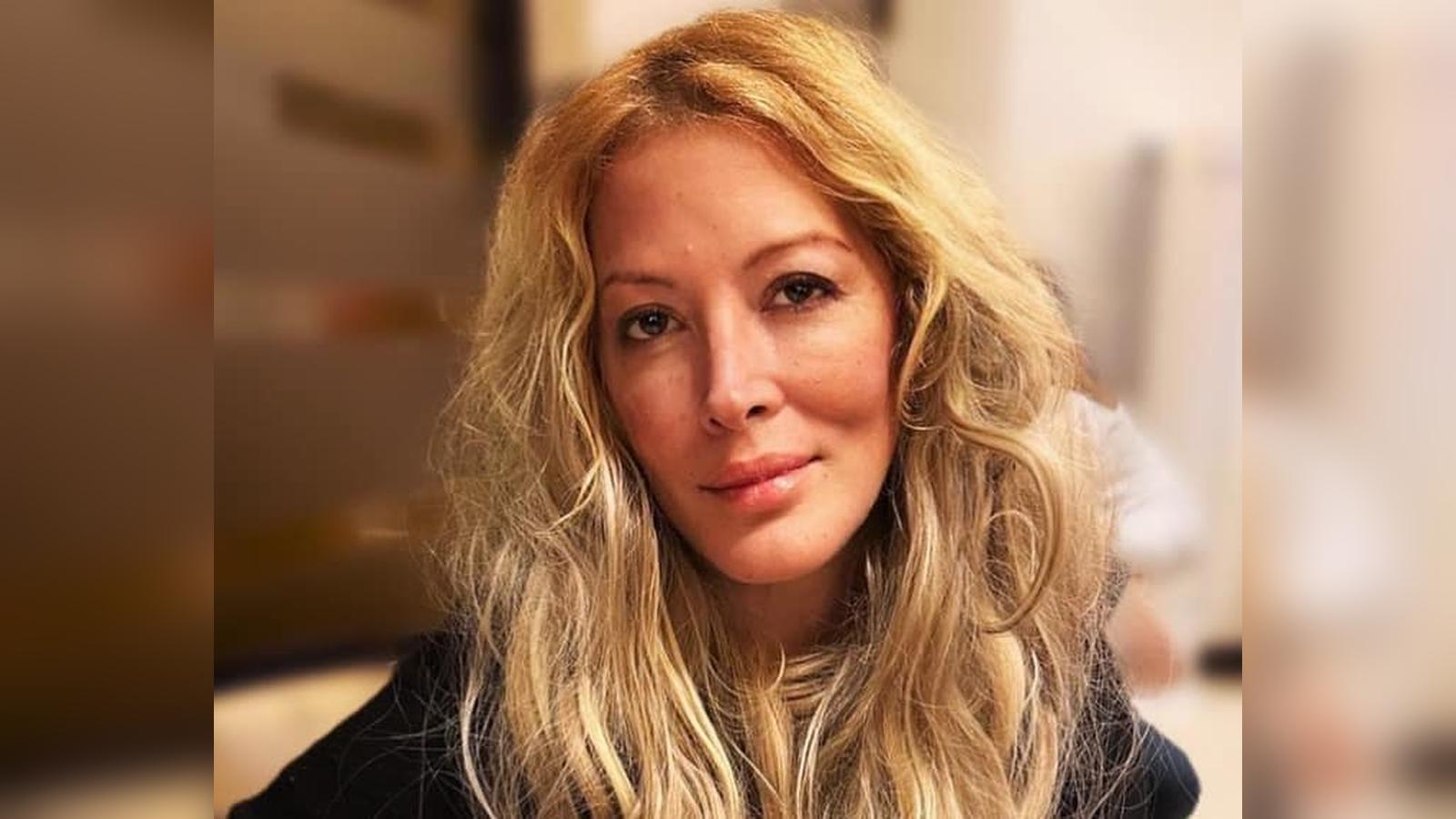
NICE (Azat TV) – More than six months after the death of reality television figure Loana Petrucciani in Nice, the local prosecutor’s office has released the final forensic and toxicological conclusions into the case. According to the statements issued by Nice Prosecutor Damien Martinelli, reported by Nice-Premium, the 48-year-old former “Loft Story” winner died of a “multifactorial” combination of health and toxicological factors rather than a single acute cause.
Petrucciani was found dead by firefighters inside her locked Nice apartment on March 25, 2026, with authorities estimating at the time that the death had occurred several days prior. Alongside her body, her dog Titi was also found dead. Initial autopsy findings released in late March noted a superficial scalp wound and minor bruises consistent with a fall, but explicitly ruled out fractures, strangulation marks, or signs of a struggle. Third-party involvement was dismissed early in the inquiry.
Forensic and Toxicological Findings
The comprehensive toxicological and forensic medical summary clarifies that Petrucciani’s passing stemmed from an accumulation of vulnerabilities. According to the Aufeminin report, the prosecutor detailed a chronic consumption of alcohol and drugs, an acute toxic concentration of sedative medications, and a medical metabolic failure affecting a pre-existing precarious health state.
Investigators and forensic pathologists emphasized that no single factor caused the death. Instead, the combination of chronic substance use and high levels of sedatives overwhelmed an already weakened organism. The prosecutor’s office noted that the evidence did not support a classification of suicide or intentional self-administration, given the absence of clear intent and the context of vulnerability and potential self-medication.
Public Scrutiny and Medical Secrecy
As Closer notes, despite intense public interest and speculation following the tragedy, the specific commercial names and exact molecular breakdown of the sedative medications found in toxic concentrations remain protected under medical confidentiality and have not been publicly detailed by the Nice medical institute.
The prosecutor’s office reiterated that the medical summary synthesizes multiple independent examinations carried out after the body was discovered in late March. The technical dossier highlights that the toxicological findings rule out foul play or external violence, aligning with the initial observations that the apartment was securely locked from the inside. At the same time, authorities underscore that the observed injuries, such as the superficial scalp wound and lower back bruises, originated from a fall that occurred independently of the fatal metabolic collapse.
As details continue to emerge regarding the circumstances surrounding the final months of her life, public and media attention has remained focused on the broader issues of psychological vulnerability and substance dependence among public figures. However, the legal inquiry itself is drawing to a close with these definitive forensic declarations, shifting the official record away from early speculation toward the documented medical realities established by the Nice judiciary.