


The Emergence of Unofficial Neural Rendering
In late August 2026, the PC gaming community was set abuzz by the discovery of an unreleased NVIDIA technology component: the nvngx_dlssnr.dll library. Found within an early-access build of NBA 2K27, this roughly 158MB runtime file represents NVIDIA’s forthcoming DLSS 5—a neural rendering model that goes beyond traditional super-resolution upscaling. Unlike its predecessors, DLSS 5 is designed to interpret game geometry, lighting, and motion vectors to synthesize more realistic materials and lighting in real-time.
Following its discovery by enthusiast Renan Maniero, the modding community acted with remarkable speed. Through the RenoDX and ReShade frameworks, developers created a ‘DLSS5-Feeder’ project, enabling the runtime to function in titles that never officially supported the technology. Today, unofficial implementations are active in dozens of titles, ranging from Cyberpunk 2077 and GTA V to older DirectX 9 titles, demonstrating the immense adaptability of the underlying model.
Hardware Versatility vs. Performance Reality
While the runtime was originally intended for next-generation Blackwell hardware, modders have successfully forced compatibility across the RTX 40-series (Ada Lovelace) and, remarkably, the RTX 30-series (Ampere). However, this broad accessibility comes at a severe cost. Because the runtime is unfinished and lacks the specific optimizations intended for official integration, performance penalties are catastrophic.
Reports from the RenoDX community indicate that frame rates often drop by 50% or more. In extreme cases, users on high-end Ampere cards like the RTX 3080 Ti have seen performance plummet from over 100 FPS to single digits in titles like Hogwarts Legacy or Cyberpunk 2077. Even when users manage to achieve playable frame rates—often around 30 to 40 FPS—it frequently requires aggressive resolution scaling, such as dropping to 720p with Ultra Performance presets, which compromises the very visual fidelity the technology aims to enhance.
The Artistic and Technical Divide
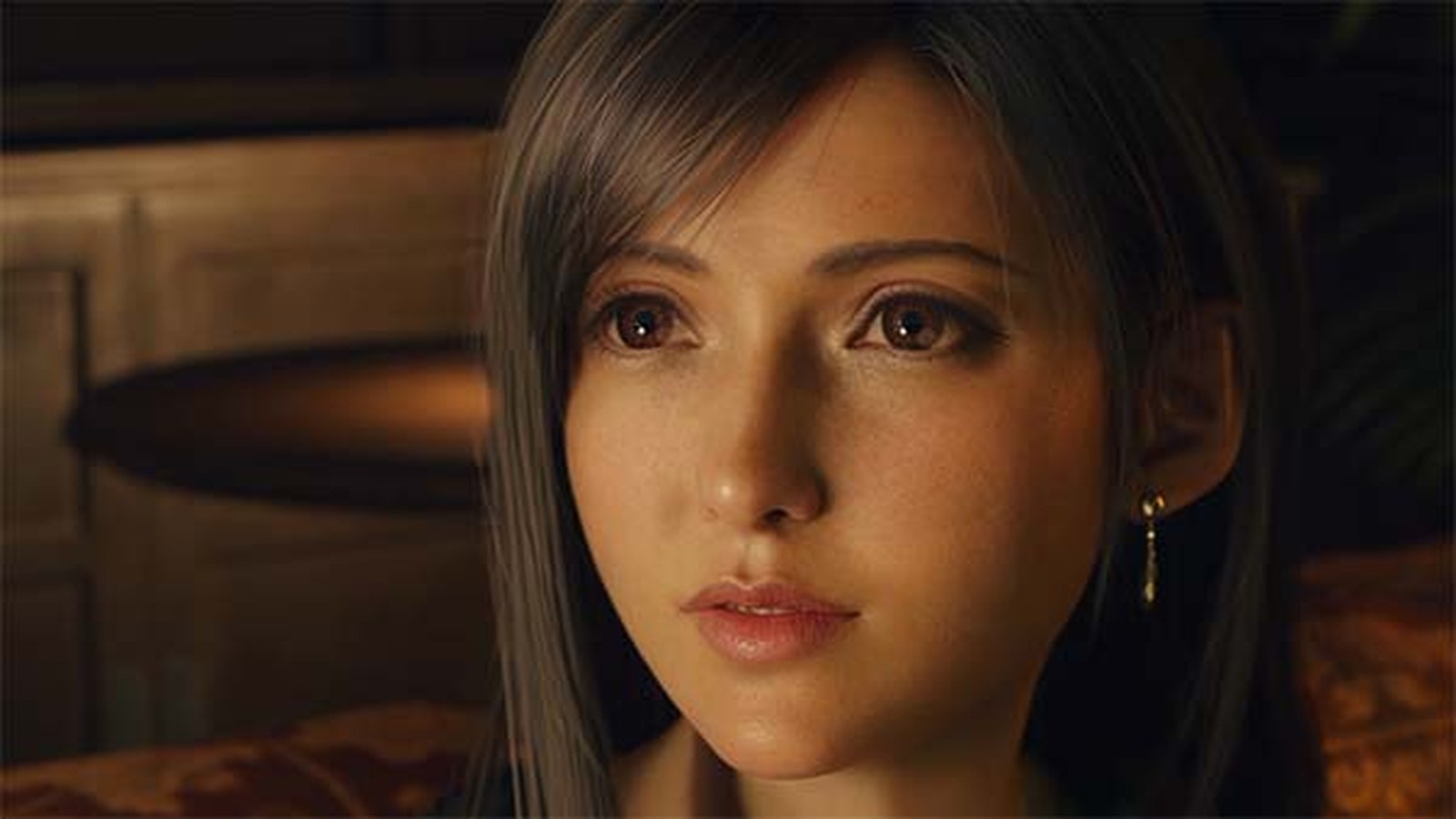
The community response remains polarized. Critics point to the ‘AI-overprocessed’ look, where characters and textures appear uncanny, sometimes altering the original art direction of the game. Conversely, developers like Daniel Vavra of Warhorse Studios have expressed optimism. Vavra noted that for projects like Kingdom Come: Deliverance 2, the technology can bring the game’s lighting and shadow models closer to the original artistic vision, provided it is implemented with developer-controlled masks and intensity settings.
The current modding ‘hack’ lacks these developer-controlled safeguards, meaning the model applies its neural transformations globally. This highlights the fundamental difference between the community’s current experimental phase and the eventual official release, which NVIDIA promises will include specific tools for developers to restrict the AI’s influence to appropriate surfaces and materials.