


Putin’s First India Visit Since Ukraine War: What’s Driving the 2025 Agenda?
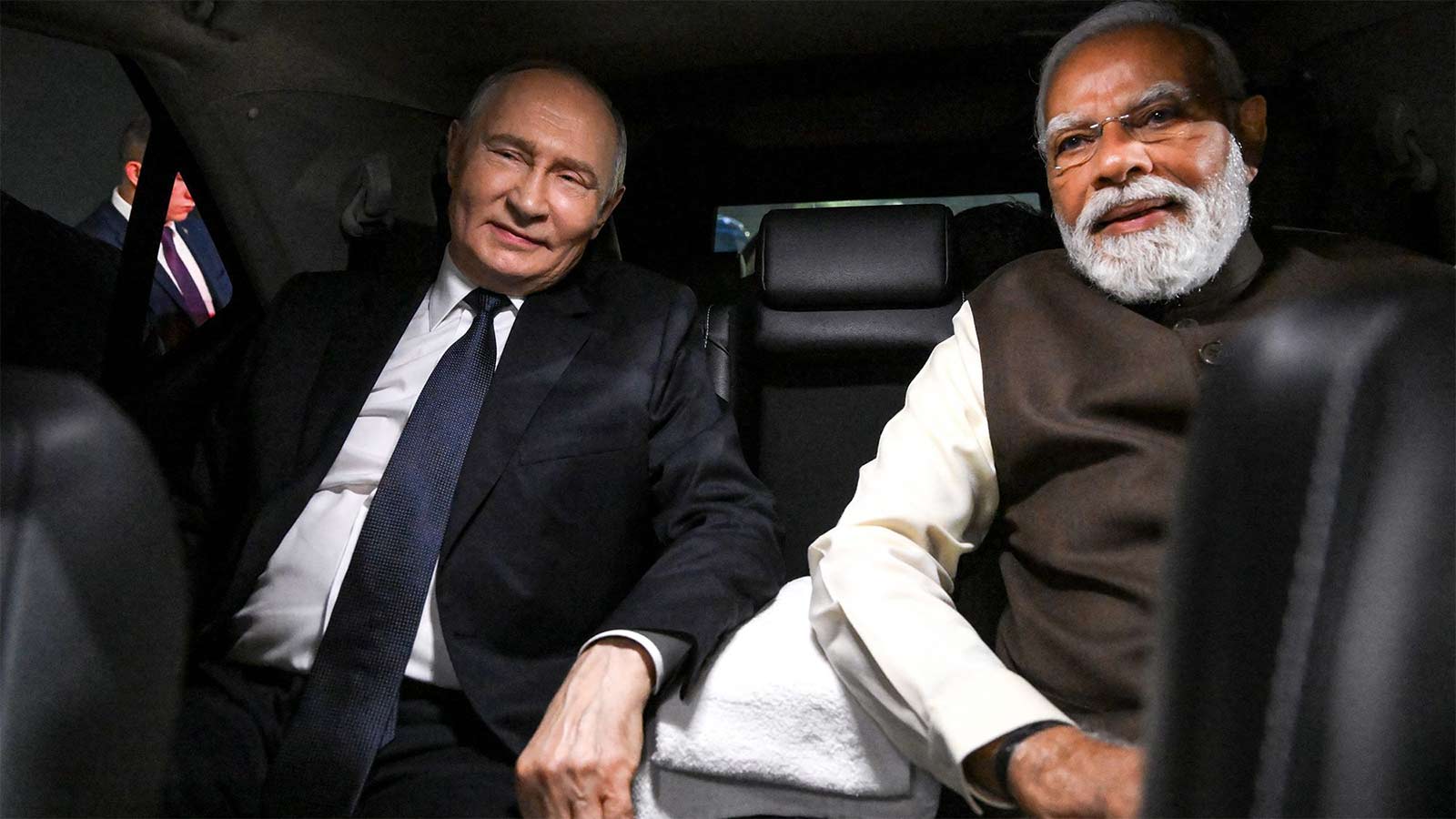
Russian President Vladimir Putin’s arrival in New Delhi on December 5, 2025, wasn’t just another diplomatic formality—it marked a significant moment in a partnership shaped by shifting global currents. As the ceremonial honor guard lined the grounds of Rashtrapati Bhavan, and Prime Minister Narendra Modi greeted Putin with a handshake and a hug, the symbolism was clear: India, despite mounting Western pressure, remains willing to engage openly with Russia.
Putin’s visit is his first to India since the full-scale invasion of Ukraine in 2022, an event that fundamentally altered Russia’s relationships worldwide. For India, the stakes are high. The country has ramped up its purchases of Russian oil, defying sanctions and tariffs from the United States. Now, with fresh American penalties targeting India’s energy imports, the summit is as much about economic survival as it is about diplomatic signaling.
Trade and Sanctions: Navigating Turbulent Waters
The backbone of the summit agenda is trade—specifically, how to sustain and expand it under the shadow of Western sanctions. Russia is already India’s leading supplier of arms and seaborne oil. In 2024, bilateral trade hit an all-time high of $68 billion. But both sides are looking further ahead: officials have announced a goal to push this figure to $100 billion by 2030.
Yet, the path to that ambition is tangled. In August, the U.S. doubled tariffs on Indian goods to 50 percent as a direct response to India’s continued purchases of Russian oil. The move, driven by President Trump’s administration, was intended to pressure Moscow into accepting a ceasefire in Ukraine. But India stood its ground, maintaining imports even as Western nations quietly continued their own dealings with Russia.
November brought even more complications. New U.S. sanctions targeted Russian oil giants Rosneft and Lukoil—responsible for about 60 percent of India’s oil imports—and threatened penalties against any foreign company trading with them. New Delhi has protested what it calls unfair targeting, highlighting the double standards at play. As Putin put it, “The United States itself still buys nuclear fuel from us for its own nuclear power plants. If the US has the right to buy Russian fuel, India should enjoy the same privilege.”
Beyond oil, Russia is keen to balance the trade ledger by importing more Indian goods. Currently, the trade relationship is heavily tilted in Moscow’s favor due to India’s energy needs. Both leaders are expected to announce new agreements to diversify and strengthen economic ties, with sectors like labor and civil nuclear energy on the table.
Arms Deals and Strategic Partnership: Old Ties, New Pressures
For decades, Russia has been India’s top arms supplier—a legacy that both countries are eager to maintain. This summit is expected to see Moscow pitching additional S-400 missile defense systems and advanced Su-57 stealth fighter jets. But these deals are no longer straightforward. Washington has repeatedly pressured India to reduce its reliance on Russian weaponry, citing security concerns and the broader geopolitical fallout from the Ukraine war.
Still, India’s approach has been pragmatic. Its military modernization depends on Russian technology, and the country sees value in keeping its options open. The balancing act—maintaining strong ties with both Moscow and Washington—has grown trickier since 2022, but it remains central to India’s foreign policy strategy.
Ukraine: Dialogue Over Condemnation
Perhaps the most delicate issue is the war in Ukraine. Modi’s message to Putin was clear: “India is not neutral—India has a position, and that position is for peace. We support every effort for peace, and we stand shoulder to shoulder with every initiative taken for peace.”
Putin, in turn, acknowledged India’s diplomatic efforts, noting that their discussions included possible steps toward a peaceful settlement, involving other partners such as the United States. In recent days, Moscow hosted a U.S. delegation for talks aimed at ending the war, and both sides noted progress—though no breakthrough was announced.
India’s refusal to condemn Russia outright, and its emphasis on dialogue and diplomacy, sets it apart from many Western nations. This approach has allowed New Delhi to keep lines open with both sides, positioning itself as a potential mediator even as it faces criticism from abroad.
Ceremony, Symbolism, and Subtle Signals
The summit’s choreography was rich with meaning. Putin’s day began with a ceremonial welcome at Rashtrapati Bhavan, followed by tributes at Raj Ghat—a gesture honoring Mahatma Gandhi and India’s anti-colonial legacy. Delegation-level talks took place at the Hyderabad House complex, culminating in a joint press statement and a business event with the Federation of Indian Chambers of Commerce and Industry. President Droupadi Murmu also joined the proceedings.
These public moments, reported by Al Jazeera and NDTV, underscore a key message: Russia is not a pariah in India’s eyes, despite the International Criminal Court’s 2023 arrest warrant for Putin over alleged war crimes in Ukraine. India’s non-membership in the ICC means Putin faced no risk of arrest during his stay—a detail not lost on international observers.
Putin’s departure was scheduled for Friday evening, wrapping up a whirlwind visit marked by both fanfare and realpolitik.
Resilience in Partnership: The Road Ahead
Russia and India have shared a strategic partnership for 25 years, dating back to Putin’s first year as president. The annual tradition of leader visits was disrupted by the Ukraine war, but last year saw a partial resumption when Modi traveled to Russia. Today, the partnership is being tested as never before, with external pressures reshaping the contours of cooperation.
For India, the challenge is navigating competing interests without sacrificing its autonomy. As the summit demonstrates, the country is determined to pursue its own path—seeking peace, economic growth, and strategic flexibility in a world defined by uncertainty.
Assessment: The facts reveal a summit shaped by pragmatic choices and subtle signals. India’s determination to balance Western sanctions, Russian partnership, and its own interests underscores the complexity of today’s geopolitics. Rather than taking sides, New Delhi is carving out space for dialogue and economic resilience—a stance that may define its role in global affairs for years to come.